
Imagine gliding effortlessly through a winter wonderland, exploring snow-covered trails and taking in the beauty of nature. Snowshoeing offers a serene and low-impact way to stay active during the colder months, all while enjoying the great outdoors. In this comprehensive guide, we’ll cover everything from the types of snowshoes and their construction to sizing, accessories, techniques, and maintenance tips to ensure you have the best possible snowshoeing experience.
Key Takeaways
-
Choose the right snowshoe for your terrain and activities, with recreational, technical and running varieties available.
-
Ensure proper sizing and fit based on body weight & gear being carried. Consider accessories such as trekking poles, gaiters & winter boots to improve comfort levels.
-
Adopt correct walking techniques when navigating steep terrain. Maintain snowshoes with waterproofing/varnishing plus crampon sharpening for optimal performance.
Types of Snowshoes for Various Terrains
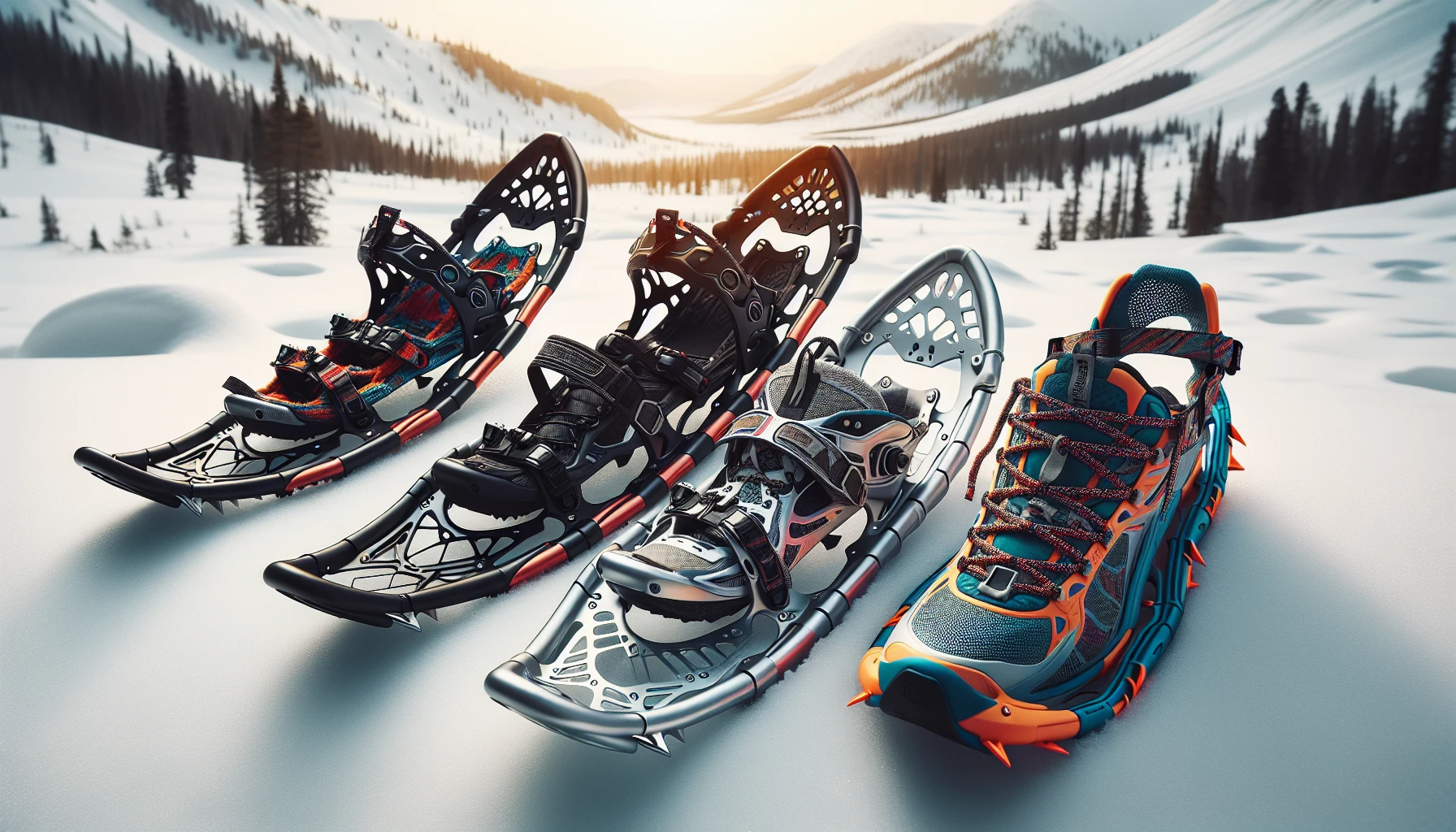
Choosing the right pair of snowshoes is key to a comfortable and enjoyable trek, whether you’re wandering through a local park or venturing into backcountry trails. The type of snowshoe you choose will largely depend on the terrain you’ll be traversing and the specific activities you have planned.
We are going to examine recreational, technical, and running snowshoes in the following sections, each designed for unique conditions and preferences.
Recreational Snowshoes
Ideal for beginners and casual users, recreational snowshoes, including traditional snowshoes, are designed for flat and rolling terrain. They feature simple bindings and moderate traction, making them suitable for snow-covered trails and powder snow conditions. Renowned brands such as MSR, Atlas, Tubbs, TSL, and Redfeather offer high-quality recreational snowshoes, which are generally priced around $170 to $200.
The advantages of utilizing recreational snowshoes for novices include:
-
Ease of use
-
Stability and traction on snowy landscapes
-
Cost-effectiveness
-
Empowerment to venture into remote and picturesque locations while remaining engaged in outdoor activities.
When securing bindings on recreational snowshoes, it’s important to fasten the instep buckle closest to the ankle and allow a free walking motion, which lets the snowshoe move naturally with the foot.
Technical Snowshoes
Technical snowshoes are designed for seasoned snowshoers aiming to take on steep and challenging terrain. These advanced snowshoes boast aggressive traction, durable materials, and features tailored for off-trail adventures and mountaineering pursuits. Technical snowshoes, often described as “alpine” or “mountain” snowshoes, are designed to handle icy slopes, deep powder, and steep terrain, requiring proficiency in mountaineering skills.
Some of the key features of technical snowshoes include rotating bindings, which reduce leg fatigue when climbing and effectively shed powdery snow. They also allow users to kick steps on steep slopes near the point of the foot. Fixed bindings, on the other hand, provide a more natural walking movement on flat and hard-packed terrain, but are less efficient for climbing and deep powder travel. Tubbs Flex VRT is an excellent choice for steep or technical terrain.
Running Snowshoes
Running snowshoes are built for speed and agility on compacted trails. They are characterized by:
-
Lightweight and narrow design
-
Shoe-like bindings
-
Average grip
-
Shorter and narrower dimensions compared to other snowshoes
-
Incorporation of lightweight materials such as TPU, aluminum frames, and foam
Atlas Run, Crescent Moon Luna, and Dion Racers are some examples of running/fitness snowshoes, providing an enjoyable experience for those who love to stay active during the winter months.
Snowshoe Materials and Construction
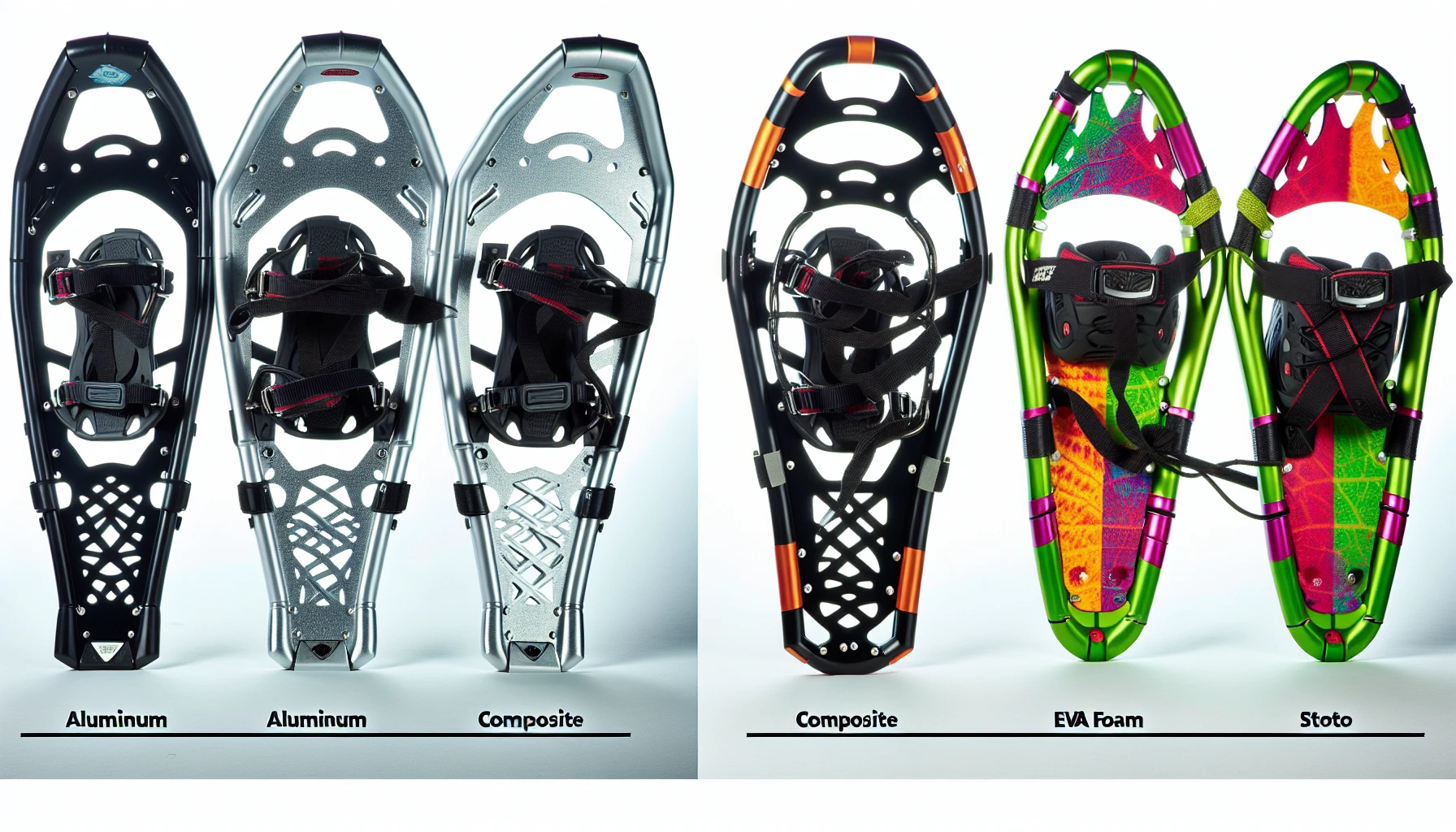
The materials and construction of snowshoes play a significant role in their performance and durability. Modern snowshoes are made from lightweight metal, plastic, and synthetic materials, with varying advantages and disadvantages depending on the specific type.
This section will cover aluminum, composite, and EVA foam snowshoes, along with their unique characteristics and benefits.
Aluminum Snowshoes
Aluminum snowshoes are popular for their lightweight, durable construction, and excellent traction on various terrains and conditions. They provide reduced noise compared to plastic models and a larger surface area, making them suitable for taller or heavier users. However, the synthetic decking of aluminum snowshoes may become brittle in cold temperatures, potentially leading to cracking or breaking.
Composite Snowshoes
Composite snowshoes are known for their strength and lightness, often featuring a flexible decking material that facilitates flotation and maneuverability. Their construction typically involves a rigid foam core sandwiched between composite layers, offering a lightweight and durable product.
For many snowshoe enthusiasts, the enhanced water resistance and reduced weight of composite snowshoes make them an attractive option, especially when compared to most snowshoes on the market.
EVA Foam Snowshoes
EVA foam snowshoes are:
-
Lightweight and affordable
-
Provide good insulation and flotation for recreational snowshoeing
-
Constructed with a foam top bonded to a plastic bottom
-
Have Velcro-like straps for bindings
-
Have integrated crampons with the plastic
While EVA foam snowshoes are a popular choice for casual users, they may lack durability and traction compared to aluminum and composite models, making them less suitable for technical terrain.
Proper Snowshoe Sizing and Fit
Correct snowshoe sizing and fit are fundamental for comfort and performance during your winter adventures. Selecting the appropriate snowshoe size based on your body weight, gear, and intended activities will ensure adequate flotation and prevent sinking in deep snow.
This section will cover weight considerations and binding comfort to assist you in finding the ideal fit.
Weight Considerations
When choosing the right snowshoe size, it’s important to take into account both your body weight and the weight of any gear you’ll be carrying. The heavier the individual, the more flotation is required to prevent sinking in deep snow.
Making sure your maximum load is below the snowshoe’s maximum capacity will contribute to a more comfortable and enjoyable snowshoeing experience.
Binding Comfort
Comfortable bindings are key to a secure and enjoyable snowshoeing experience. Various snowshoe bindings are available, including:
-
Floating bindings constructed from plastic, aluminum, or nylon
-
Traditional A-Style and H-Style bindings
-
Innovative bindings such as the BOA Fit System, Pack Flat Binding, Paragon Binding, and Hugin Binding
These snowboard boots bindings offer enhanced comfort and secure attachment to your boots, making them perfect for those who use heel lifts.
Your choice of snowshoe binding can greatly influence both comfort and performance, making it important to find the right fit for your needs.
Snowshoe Accessories and Footwear
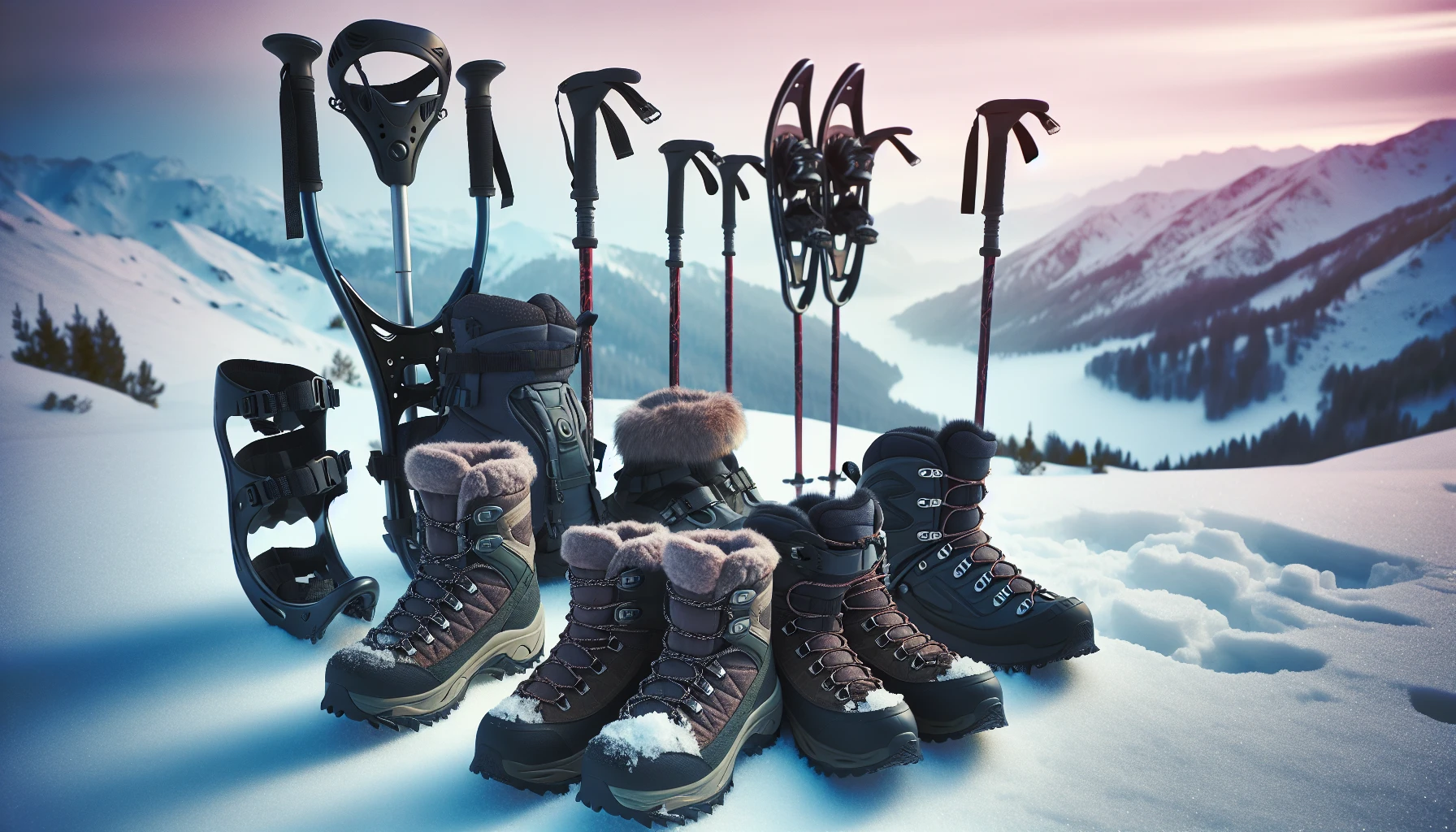
The right accessories and footwear can make your snowshoeing experience even more enjoyable, providing additional support and protection during your winter outings.
This section will cover trekking poles, gaiters, and winter boots, and how they can enhance your overall snowshoeing experience.
Trekking Poles
Trekking poles are a valuable addition to your snowshoeing gear, offering increased stability and balance while reducing fatigue and improving overall efficiency. When using trekking poles, you should equip them with snow baskets and keep your elbows close to your sides while walking.
With each step, swing the pole on the opposite side forward to maintain stability and control in snowy conditions.
Gaiters
Gaiters provide extra protection from snow and moisture, keeping your feet dry and comfortable during extended snowshoe outings. Durable and waterproof fabrics such as Gore-Tex or similar materials are ideal for snowshoeing gaiters.
Wearing gaiters can help keep wet snow out of your boots and your legs warm and shielded from the elements.
Winter Boots
Winter boots are the preferred footwear for snowshoeing, offering warmth, waterproofing, and compatibility with various snowshoe bindings. Brands such as KEEN, Danner, Columbia, Merrell, Sorel, and The North Face offer high-quality winter boots, which should ideally provide waterproofing, ankle support, insulation, traction on the sole, and a lightweight design for comfortable snowshoeing.
Snowshoeing Techniques and Tips

Mastering proper snowshoeing techniques and tips can help you make the most of your winter adventures and enjoy efficient, comfortable outings. This section will provide guidance on walking technique and navigating steep terrain, ensuring you’re prepared for any snowshoeing challenge.
Walking Technique
Adopting the correct walking technique is key for an enjoyable snowshoeing experience. To maintain a natural gait and avoid fatigue, lift the shoes slightly and, with wider snowshoes, slide their inner edges over each other.
Starting with this technique on flat terrain will help you become more comfortable and efficient as you progress to more challenging packed trails.
Navigating Steep Terrain
Traversing steep terrain demands specialized snowshoes and mountaineering skills, along with correct use of crampons and side rails for grip and stability. When navigating snow covered terrain, especially steep terrain with crampons on snowshoes, kick a direct route straight up using the front crampon teeth for better traction and stability, avoiding any ski tracks that may be present.
Additionally, here are some techniques that can help maintain balance on steep slopes:
-
Traversing or ‘side-hilling’
-
Stepping up
-
Using switchbacks
-
Weighting the uphill pole
-
Employing crampons
-
Using poles for balance during uphill turns
Snowshoe Maintenance and Care
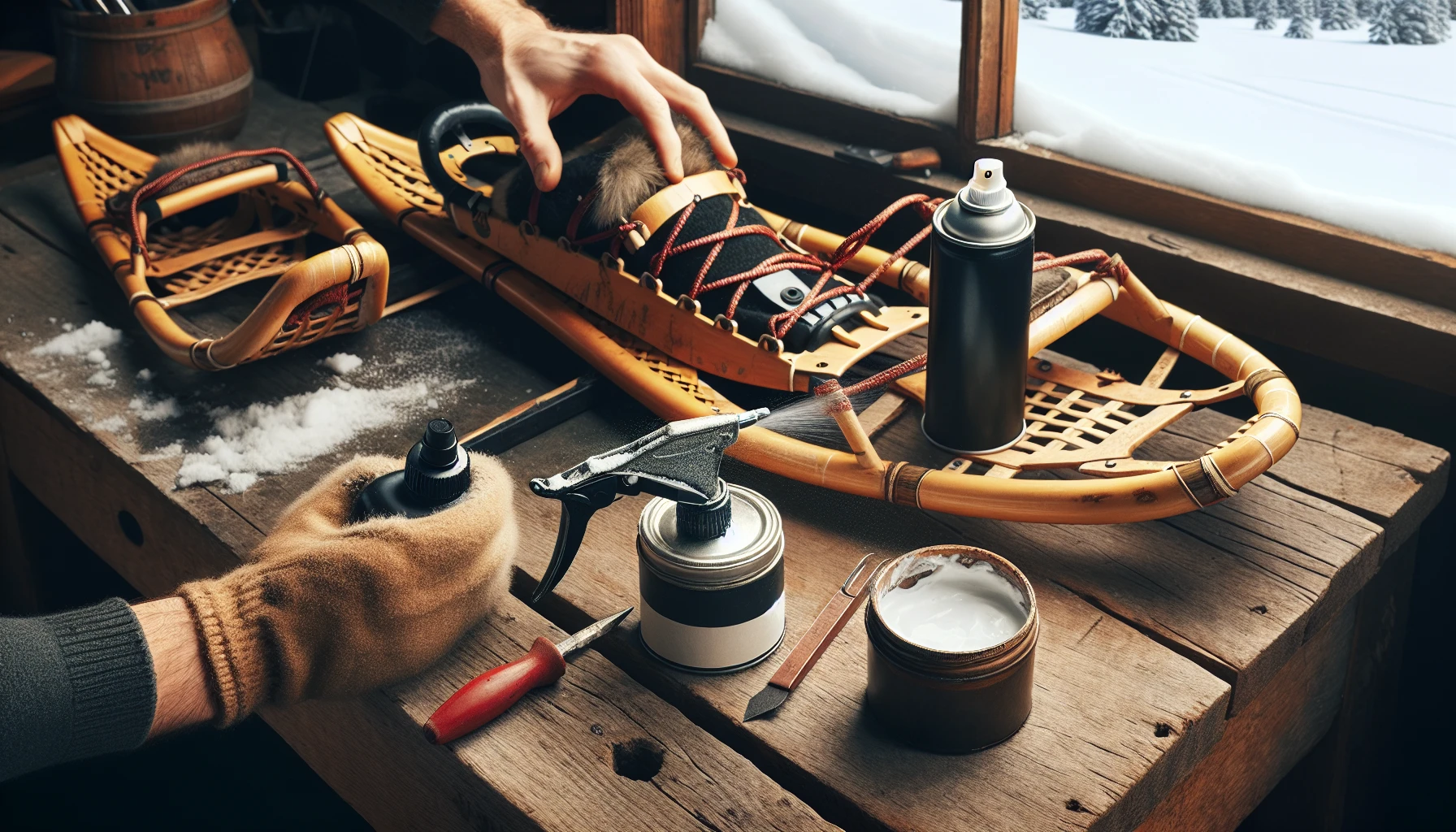
Appropriate snowshoe maintenance and care are important for ensuring longevity and optimal performance. This section will cover waterproofing and varnishing, as well as crampon sharpening, to help keep your snowshoes in prime condition for many winter adventures to come.
Waterproofing and Varnishing
Waterproofing and varnishing safeguard wooden snowshoes from moisture damage, while regular inspection and upkeep of aluminum and composite models are also important. To waterproof wooden snowshoes, follow these steps:
-
Sand them to remove any rough spots or imperfections.
-
Apply a marine spar varnish using a natural bristle brush.
-
Apply two coats of varnish to each side of the snowshoes, allowing 24 hours of drying time between coats.
Crampon Sharpening
Sharpening crampons is key for maintaining optimal traction and grip on icy slopes and challenging terrain. To sharpen crampons on snowshoes, you’ll need a medium cut file, a vice grip (optional), and wooden blocks to secure the crampons in place.
Regularly inspecting your bindings and decking for damage and wear can help prevent potential issues during your snowshoe outings, ensuring a safe and enjoyable experience.
Summary
We hope that this ultimate snowshoeing guide has provided you with valuable insights and tips for a fantastic winter adventure. By selecting the right snowshoes for your needs, ensuring proper sizing and fit, choosing the appropriate accessories and footwear, mastering snowshoeing techniques, and maintaining your gear, you’ll be well on your way to enjoying the serene beauty of snow-covered trails and the exhilarating challenge of conquering new terrain.
Frequently Asked Questions
Is snowshoeing just walking?
Snowshoeing is essentially just walking with large flat planks strapped to your feet, allowing you to traverse deep snow without slipping or sinking. Thus, it is safe to say that snowshoeing is essentially just walking.
Is snowshoeing easier than hiking?
Snowshoeing is more challenging than hiking, due to the extra difficulty posed by the snow and the unfamiliar feeling of swinging snowshoes.
Is snowshoeing Indigenous?
Snowshoeing has a rich history in Indigenous cultures, with moccasins being used to attach to snowshoes as a form of transportation during the winter months. It is clear that snowshoeing is an Indigenous activity.
Is snowshoeing a hard workout?
Snowshoeing is a great low-impact activity that can burn anywhere from 400 to 1,000 calories per hour and provide a cardiovascular challenge comparable to running. Depending on the pace and terrain, it can be a challenging workout and help build strength and aerobic fitness.
What is the point of snowshoeing?
Snowshoeing is beneficial as it allows for better flotation, keeping you on top of the snow and preventing any sinking. Additionally, it is a great way to explore different terrain, exercise, and enjoy nature.