
Imagine a blanket of white snow spreading across the landscape, the crunch under your boots, the chill in the air, and the serenity of winter. It’s a hiker’s winter wonderland. But winter hiking is not as simple as strapping on your usual boots and hitting the trails. It’s a different game altogether, requiring planning, preparation, and the right gear. But with the right approach, winter hiking can be an exhilarating way to enjoy the outdoors.
Your winter hiking adventure can be an unforgettable experience, but it can also be challenging and even dangerous if you’re not adequately prepared. So, how can you ensure you’re prepared for the challenges while maximizing the enjoyment of your winter hikes? Read on to find out!
Key Takeaways
-
Gear up for winter hiking with the essential checklist and right boots.
-
Layer up to stay warm & use traction aids to navigate snowy trails.
-
Plan ahead, protect extremities, and maximize comfort & enjoyment in the snow!
Essential Winter Hiking Gear Checklist

Just as a compass is vital for setting sail, the right gear is crucial for a winter hike. The cold temperatures, snow, and ice that make winter hiking so unique also pose unique challenges, and the right gear can be your best defense.
From protecting your feet to keeping your body warm and safe, your winter hiking gear plays a crucial role in your winter adventure. We will examine the essential gear for winter hiking in the forthcoming sections., including choosing the right boots, selecting a layering system for optimal warmth, and navigating snowy trails with traction aids.
Choosing the Right Winter Hiking Boots
Your journey begins with a single step, and what you have on your feet can make all the difference. Winter hiking boots are not your typical hiking boots. They are designed to keep your feet warm, dry, and secure in icy and snowy conditions.
When choosing the right winter hiking boots, look for features like excellent traction, reliable waterproofing, and ample insulation. Winter boots should be sturdy enough to handle the rugged winter terrain yet comfortable enough to wear all day. Keep in mind that investing in quality boots can make the difference between a memorable winter hike and a miserable one.
Selecting a Layering System for Optimal Warmth

While your winter hiking boots take care of your feet, what about the rest of you? That’s where the concept of layering comes in. Layering allows you to adjust your clothing to match the changing weather and activity levels, helping you stay warm and dry throughout your hike.
The layering system comprises three main layers:
-
The base layer, which wicks away moisture
-
The mid-layer, which insulates and retains body heat
-
The outer layer, which shields you from wind, rain, and snow
Selecting the appropriate materials for each layer is key for them to perform their functions effectively.
Navigating Snowy Trails with Traction Aids

Snow and ice can make winter trails slippery and treacherous, which is why traction aids are a must-have for winter hiking. These devices, such as microspikes, snowshoes, and crampons, provide the necessary grip and stability to navigate snowy and icy trails safely.
Microspikes are perfect for well-traveled trails with hard-packed snow, snowshoes are ideal for trails that are not compacted, and crampons are essential when climbing ice and walking on steep icy slopes. Using the right traction aid based on the trail condition can make your winter hiking experience safer and more enjoyable.
Preparing for Cold Weather Challenges
Winter hiking is not just about the right gear; it’s also about preparing for the cold weather challenges that come with it. From staying warm to keeping hydrated, there are several factors to consider to ensure your safety and comfort during winter hikes, including what to wear winter hiking.
In the upcoming sections, we will examine these challenges in more detail, providing tips on insulating against wind chill and freezing temperatures, staying hydrated in cold climates, and managing your body temperature during winter hikes.
Insulating Against Wind Chill and Freezing Temperatures
One of the biggest challenges of winter hiking is dealing with the freezing temperatures and wind chill. When the wind blows across your skin and clothing, it carries away the heat your body produces, making you feel colder. This is known as wind chill, and it can significantly lower your body temperature, increasing the risk of hypothermia and frostbite.
To protect against wind chill and freezing temperatures, you need to create an insulating barrier between your body and the cold air. This can be achieved with the right clothing. Look for:
-
Windproof and waterproof outer layers that shield you from the wind and snow
-
Insulating layers that trap warm air close to your body
-
Moisture-wicking base layers to keep you dry and comfortable
By wearing the appropriate clothing, you can stay warm and comfortable in cold weather conditions.
Keeping Hydrated in Cold Climates
Staying hydrated is just as important in cold weather as it is in hot. However, it can be more challenging in winter due to the dry air and the fact that you may not feel as thirsty as you do in warmer conditions.
To ensure you stay hydrated during your winter hike, follow these tips:
-
Drink plenty of water before, during, and after your hike.
-
Avoid alcohol and caffeine, which can dehydrate you.
-
Eat foods high in water content. Remember, staying hydrated can help you stay warm and maintain your energy levels during your winter adventure.
Dressing Smart for Your Winter Adventure
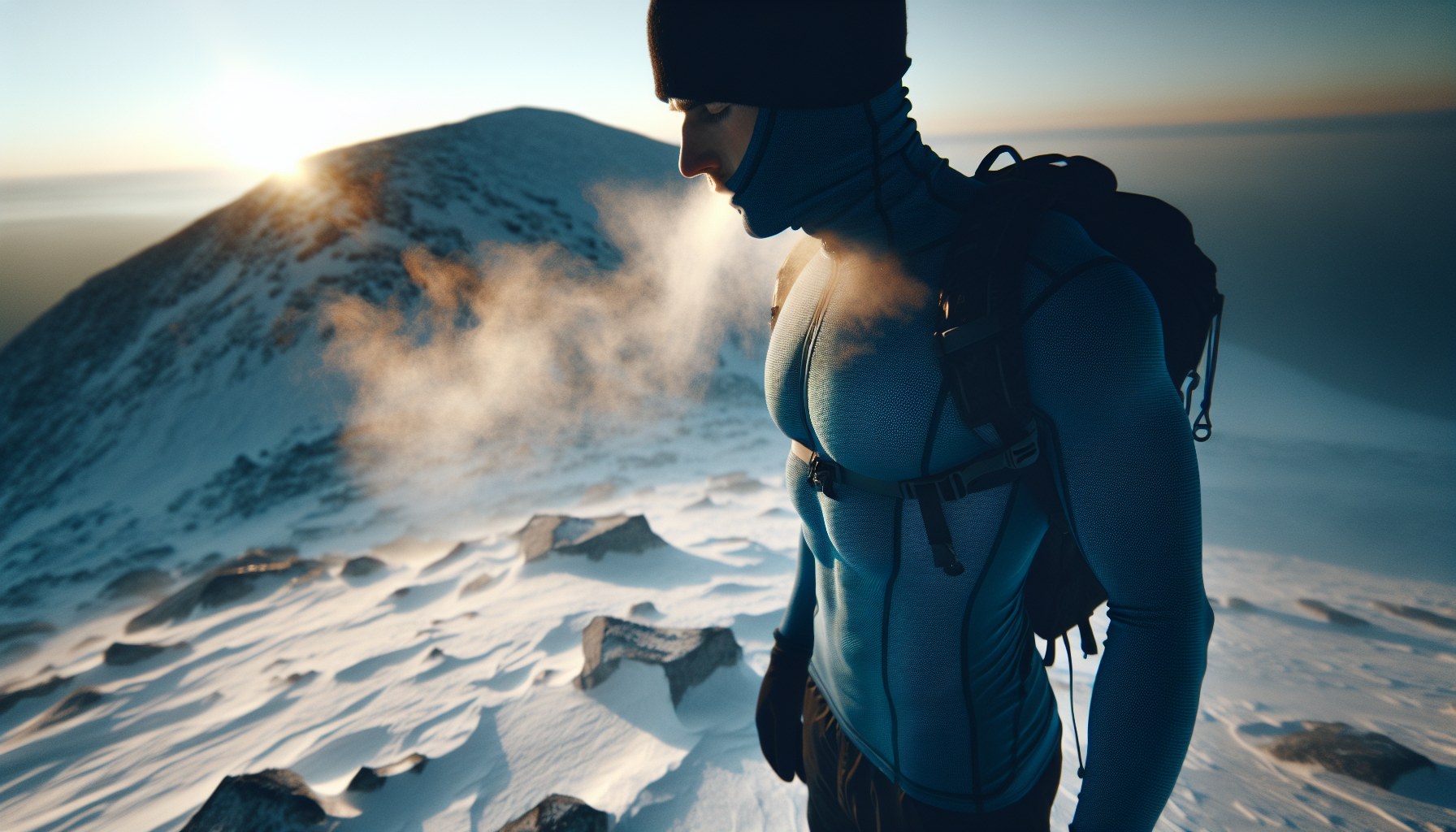
Having understood the challenges of winter hiking, we will now discuss how to dress smart to tackle these challenges effectively. Dressing for winter hiking is all about comfort, protection, and temperature regulation.
In the upcoming sections, we will discuss:
-
How to select the optimal base, mid, and outer layers to stay warm, dry, and comfortable during your winter adventures.
-
The importance of protecting your extremities from the cold.
-
The role of waterproof barriers in keeping you dry.
The Significance of a Good Base Layer
A good base layer is your first line of defense against the cold. It’s the layer that’s in direct contact with your skin, and its main job is to wick away moisture (sweat) from your skin, keeping you dry and comfortable.
When selecting your base layer, go for materials that are moisture-wicking and breathable, such as synthetic fabrics or merino wool. A good base layer will not only keep you dry but also provide a certain degree of warmth, making it an essential part of your winter hiking outfit. For optimal comfort, consider adding a winter hiking mid layer to your ensemble.
Mid Layer Mastery for Winter Hikes
While the base layer takes care of moisture management, the mid-layer focuses on insulation. This is the layer that traps the warm air your body generates, creating a thermal barrier that helps retain your body heat and keep you warm.
The best materials for your mid-layer are those that are excellent insulators, such as:
-
fleece
-
wool
-
down
-
synthetic materials
Depending on the temperature and your activity level, you can adjust the thickness of your mid-layer to maintain your body’s optimal temperature.
Waterproof Barriers: Ski Pants and Jackets
The outer layer, often called the shell layer, is your armor against the elements. It protects you from wind, rain, and snow, while also allowing moisture (sweat) from your body to escape, keeping you dry and comfortable.
When choosing your outer layer, go for materials that are both waterproof and breathable. These materials, such as Gore-Tex or nylon, protect you from the elements while allowing moisture to escape, preventing you from getting wet from sweat. Remember, staying dry is key to staying warm in cold conditions.
Techniques for Staying Warm on the Trail
Possessing the right clothing and gear is only part of the equation. It’s equally important to know how to use them effectively to maintain warmth on the trail. In this section, we will discuss some practical techniques and tips for maintaining warmth during your winter hikes.
We’ll discuss how to adjust layers to match your activity levels, how to protect your extremities (hands, feet, and head) from the cold, and some general tips for staying warm on the trail.
Adjust Layers to Match Activity Levels
One of the benefits of a layering system is the ability to adjust your clothing to match your activity levels. When you’re active, your body generates heat. If you’re dressed too warmly, you’ll start to sweat, which can leave you wet and cold once you slow down.
To prevent overheating and excessive sweating, adjust your layers as needed. Remove a layer or open your jacket when you’re working hard, and add a layer or close your jacket when you’re taking a break or the temperature drops. Remember, it’s easier to stay warm than to get warm once you’re cold.
Protecting Extremities from the Cold
Your extremities – your hands, feet, and head – are particularly vulnerable to the cold. Because they’re farthest from your core, they tend to get cold first. And cold hands and feet can quickly ruin a winter hike.
To protect your extremities, make sure to wear warm, insulated gloves and socks. A good hat or beanie can not only keep your head warm but also reduce heat loss from your body. Remember, staying warm is not just about comfort; it’s also about safety.
Safety Measures for Winter Hiking Enthusiasts
Your winter hiking adventure should be fun, but safety should always be your top priority. After all, the weather can be unpredictable, and winter conditions can pose unique challenges.
This section will cover some important safety measures for winter hiking. From understanding and using avalanche forecasts to preparing a first aid and gear repair kit, these measures can help ensure your winter hikes are safe as well as enjoyable.
Understanding and Using an Avalanche Forecast
For those hiking in mountainous areas, understanding and using an avalanche forecast is significantly important. Avalanches are one of the most dangerous hazards in winter hiking, and the risk can be significantly reduced by understanding the avalanche forecast.
An avalanche forecast provides valuable information about the potential avalanche dangers in a specific area. It includes details about the type and size of avalanches that are most likely to occur, the slopes and elevations where avalanches are most likely, and the causes of the avalanches. Knowing how to interpret this information and apply it to your hiking plans can help you avoid dangerous terrain and stay safe.
Emergency Preparedness: First Aid and Gear Repair Kits
Being prepared for emergencies is another important aspect of winter hiking safety. No matter how careful you are, accidents can happen. Having a well-stocked first aid kit and a gear repair kit can make a big difference when things go wrong.
Your first aid kit should include essentials like adhesive bandages, sterile gauze pads, adhesive tape, antiseptic wipes, tweezers, pain relievers, and a CPR mask. Your gear repair kit should include items like a multi-tool, duct tape, and paracord. Remember, the goal is to be able to treat injuries and fix gear on the spot to prevent further problems.
Planning Your Winter Hike: Itinerary and Trail Selection
A successful winter hike starts with a well-thought-out plan. From selecting the right trail to setting a realistic itinerary, good planning can help ensure your hike is safe and enjoyable. Once you’ve started winter hiking, you’ll find it to be a rewarding and exhilarating experience.
This section will provide tips and guidance on planning your winter hike. We’ll discuss:
-
How to assess trail conditions
-
How to create a safe and realistic hiking plan
-
How to select appropriate winter hikes based on your skill level and experience
Assessing Winter Day Hikes and Trail Conditions
Picking the right trail for your winter hike is essential. But how do you know if a trail is suitable for winter hiking? The answer lies in assessing the trail conditions.
Things to consider when hiking in snow in the winter include:
-
The amount and type of snow
-
The steepness of the trail
-
The presence of avalanche terrain
-
The weather forecast
Remember, what might be an easy summer hiking trail could be a challenging expedition in the winter. Always err on the side of caution and choose trails that match your skills and experience, especially when it comes to cold weather hiking.
Creating a Safe and Realistic Hiking Plan
Once you’ve selected your trail, the next step is to create a hiking plan. A good hiking plan includes not only the details of your hike but also safety measures like setting a turnaround time and sharing your plan with others.
When planning your hike, consider the following factors:
-
Your fitness level
-
The length and difficulty of the trail
-
The weather forecast
-
The daylight hours
Be realistic about your abilities and always have a contingency plan in case things don’t go as planned.
Maximizing Comfort and Enjoyment in the Snow
So far, we’ve covered a lot of ground on how to prepare for and stay safe during winter hikes. But what about the fun part? After all, winter hiking is not just about surviving the cold; it’s also about enjoying the beauty of nature in its winter attire.
In this section, we will share our favorite winter hiking tips, as well as some general winter hiking tips on maximizing comfort and enjoyment on snow-covered trails. From the joy of a warm pocket to the importance of sun protection, these tips will help you make the most of your winter hiking adventure.
The Joy of a Warm Pocket: Carrying a Thermos
There’s nothing quite like a warm drink on a cold winter hike. It not only warms you up from the inside but also serves as a morale booster, especially on long and challenging trails.
Carrying a thermos with a warm drink is an easy and effective way to stay warm and hydrated during your winter hikes. Whether it’s hot chocolate, tea, or even soup, a warm drink can be a source of comfort and warmth in the cold outdoors.
Sun Protection Amidst the Bright Sun and Reflective Snow
While the cold and deep snow are obvious challenges of winter hiking, the sun can be a silent threat. The bright sun and its reflection off the snow can intensify UV exposure, increasing the risk of sunburn and damaging your eyes.
To protect yourself from the sun during winter hikes, always apply sunscreen on exposed skin and wear sunglasses. Remember, snow can reflect up to 80% of UV radiation, so even areas that are shaded from direct sunlight can still be exposed to UV rays.
Summary
Winter hiking can be a rewarding experience, offering a fresh perspective on familiar trails and the tranquil beauty of a snow-covered landscape. But it’s not without its challenges. From the cold temperatures and snowy trails to the potential dangers of avalanches, winter hiking requires careful planning and preparation.
With the right gear, appropriate clothing, knowledge of safety measures, and a well-thought-out plan, you can overcome these challenges and enjoy the beauty of winter hiking. So, don’t let the cold and snow keep you indoors. Gear up, prepare well, and embark on a winter adventure that you’ll remember for a lifetime.
Frequently Asked Questions
What is the meaning of winter hiking?
Winter hiking means “cold hiking” with an emphasis on warm and dry layering. Ensure you are prepared for any snow or ice patches on your journey by packing microspikes. Enjoy the winter landscape while staying safe and warm!
How cold is too cold for winter hiking?
It’s safe to say -4°F (-20°C) is too cold for winter hiking – it’s time to nope out and find a different activity! Even if you have the right winter gear, these colder temperatures can be dangerous. It’s always best to keep an eye on the forecast and avoid the absolutely coldest days.
What do you wear hiking at 40 degrees?
A moisture-wicking t-shirt is a great option for a base layer when hiking at 40 degrees. Consider adding a long-sleeved hiking shirt on top for added warmth and comfort.
Can you hike the at in the winter?
Winter can be a great time to hike the Appalachian Trail, with miles-long views, cooler temperatures, and cozy campfires. Enjoy an amazing experience while avoiding large crowds and sipping hot cocoa around a blazing fire!
What is the most important gear for winter hiking?
Insulated, waterproof boots, moisture-managing and insulation clothing layers, and traction aids are essential for winter hiking, making them the most important gear for such expeditions.