
Embarking on a trip to the Galapagos Islands but unsure what to expect? Famous for their exotic wildlife and evolutionary significance, the Galapagos promises adventures that defy imagination. From giant tortoises to volcanic wonders, our guide takes you through the essentials of island-hopping, wildlife spotting, and sustainable travel in this extraordinary corner of the world.
Key Takeaways
-
The Galapagos Islands, located 600 miles west of Ecuador, are cherished for their distinct volcanic landscapes and rich biodiversity, which inspired Charles Darwin’s theory of evolution. Over 100,000 visitors annually enjoy experiences like observing giant tortoises and marine iguanas in their natural habitat.
-
Galapagos National Park regulations enforce a no-trace policy and require visitors to be accompanied by an authorized guide, follow marked trails, and keep a safe distance from wildlife, aiding in conservation efforts to protect the islands’ unique ecosystems and species.
-
Travelers to the Galapagos can choose between cruise and land-based tours, each offering unique experiences such as close wildlife encounters, adventure activities, and learning about the islands’ natural and human history, all influenced by mindful, sustainable tourism practices.
Discovering the Galapagos Islands

Nestled about 600 miles west of mainland Ecuador in the Pacific Ocean, the Galapagos Islands, a remote archipelago in South America, showcase the wonder of nature’s innovation. Spanning an area of roughly 17,000 square miles, the Galapagos consists of 19 major islands, each offering a unique blend of volcanic landscapes and vibrant biodiversity.
The islands hold a special place in the annals of scientific history. It was here that Charles Darwin’s theory of evolution was shaped, forever embedding the Galapagos in the realm of scientific research.
Each year, the islands lure more than 100,000 visitors, who are captivated by:
-
the exceptional biodiversity
-
the allure of unparalleled experiences
-
close encounters with giant tortoises and marine iguanas
-
the surreal landscapes of the uninhabited islands
The Galapagos offers an unparalleled journey into the heart of nature’s marvels.
The Archipelago’s Formation
The Galapagos Archipelago owes its existence to a captivating saga of geological activities that spanned millions of years. The islands owe their existence to the movement of the Nazca tectonic plate over a stationary volcanic hotspot and the convergence of three ocean currents, shaping a unique formation. Characterized by primarily shield volcanoes, the islands feature gently sloped structures speckled with parasitic cones, such as tuff and spatter cones, which serve as distinguishable landmarks.
A closer look at the islands reveals an array of notable geological features. Some of these include:
-
Isabela’s Volcan Sierra Negra, which boasts a massive caldera
-
Fernandina’s significant 1968 caldera collapse, reflecting the islands’ dynamic geological history
-
Rock formations dating between 750,000 to approximately 3.25 million years old
Each island, shaped by its individual volcanic activity, contributes to the archipelago’s collective charm and uniqueness.
Galapagos National Park
The Galápagos National Park plays a vital role in safeguarding the islands’ natural splendor and diverse wildlife. Visitors to the Galápagos National Park must adhere to specific regulations, such as:
-
Being accompanied by a Galapagos National Park Directorate (GNPD)-authorized naturalist guide at all times
-
Staying on marked trails
-
Maintaining a minimum distance of two meters from wildlife.
The park enforces a strict no-trace policy, barring activities such as smoking, campfires, and feeding wildlife to minimize human impact on the natural environment. Protective rules further prohibit recreational fishing unless on an authorized tour boat and the use of motorized water sports. Visitors must also avoid bringing any external food, animals, or plants into the archipelago, cooperating with environmental inspection and quarantine procedures to prevent ecological disturbance. These regulations safeguard the islands’ fragile ecosystem and provide a sustainable framework for unforgettable experiences.
Unique Wildlife Encounters
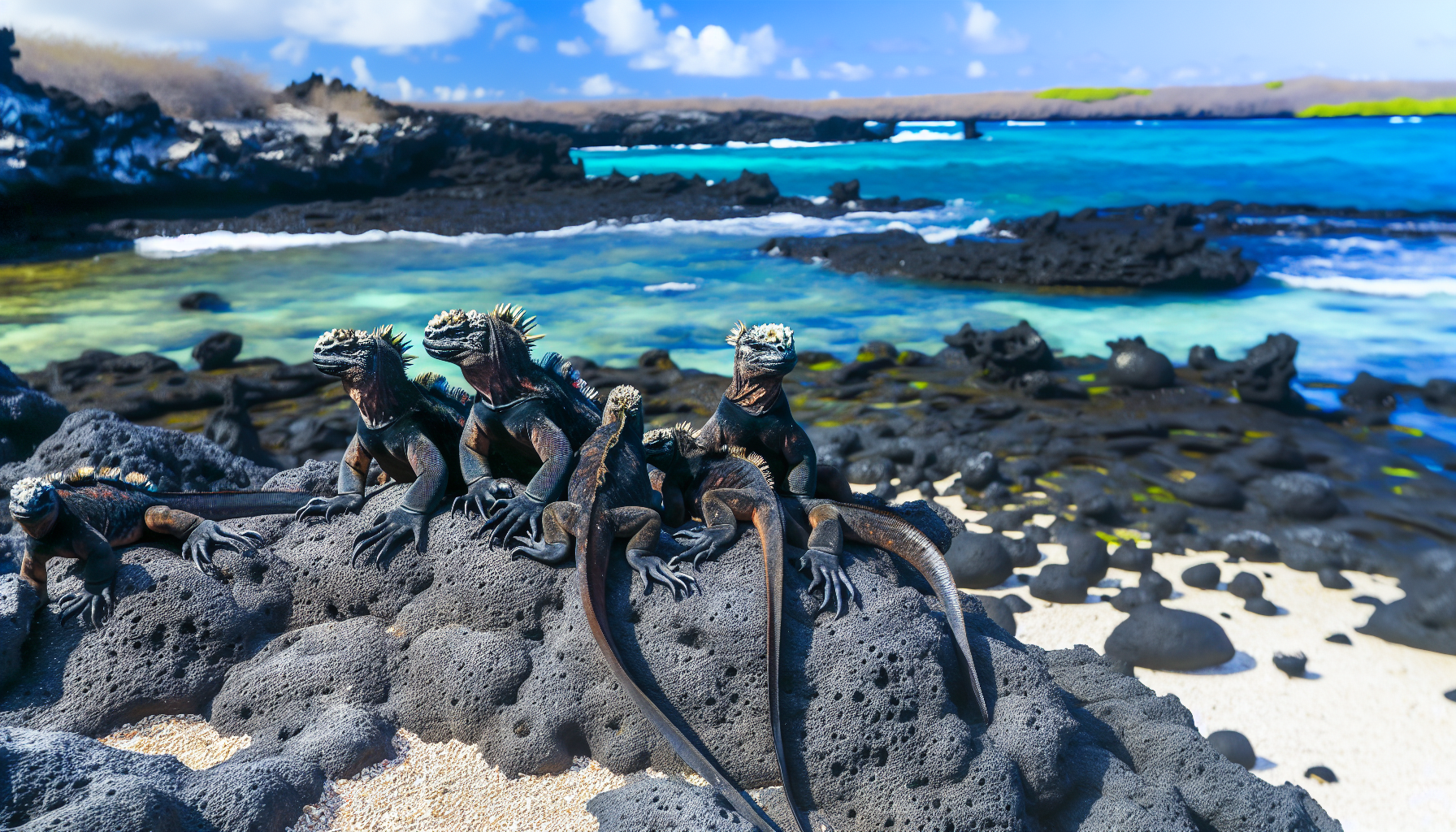
The Galapagos Islands, home to an array of unique species, function as a sanctuary for wildlife found nowhere else on the planet. Some of the most iconic representatives of the islands’ extraordinary wildlife include:
-
Giant tortoises
-
Blue-footed boobies
-
Waved albatross
-
Marine iguanas
These species, along with many others, contribute to the islands’ reputation for unmatched wildlife diversity.
The islands offer an immersive wildlife experience, allowing visitors to observe unusual behaviors like marine iguanas swimming alongside penguins and flightless cormorants, all of which exhibit no fear of humans. Other species like the Nazca Booby and the Swallow-tailed Gull display intriguing foraging and nesting habits. With wildlife breeding and nesting seasons highly season-specific, visitors can experience unique glimpses into the life cycles of these animals.
Marine Life
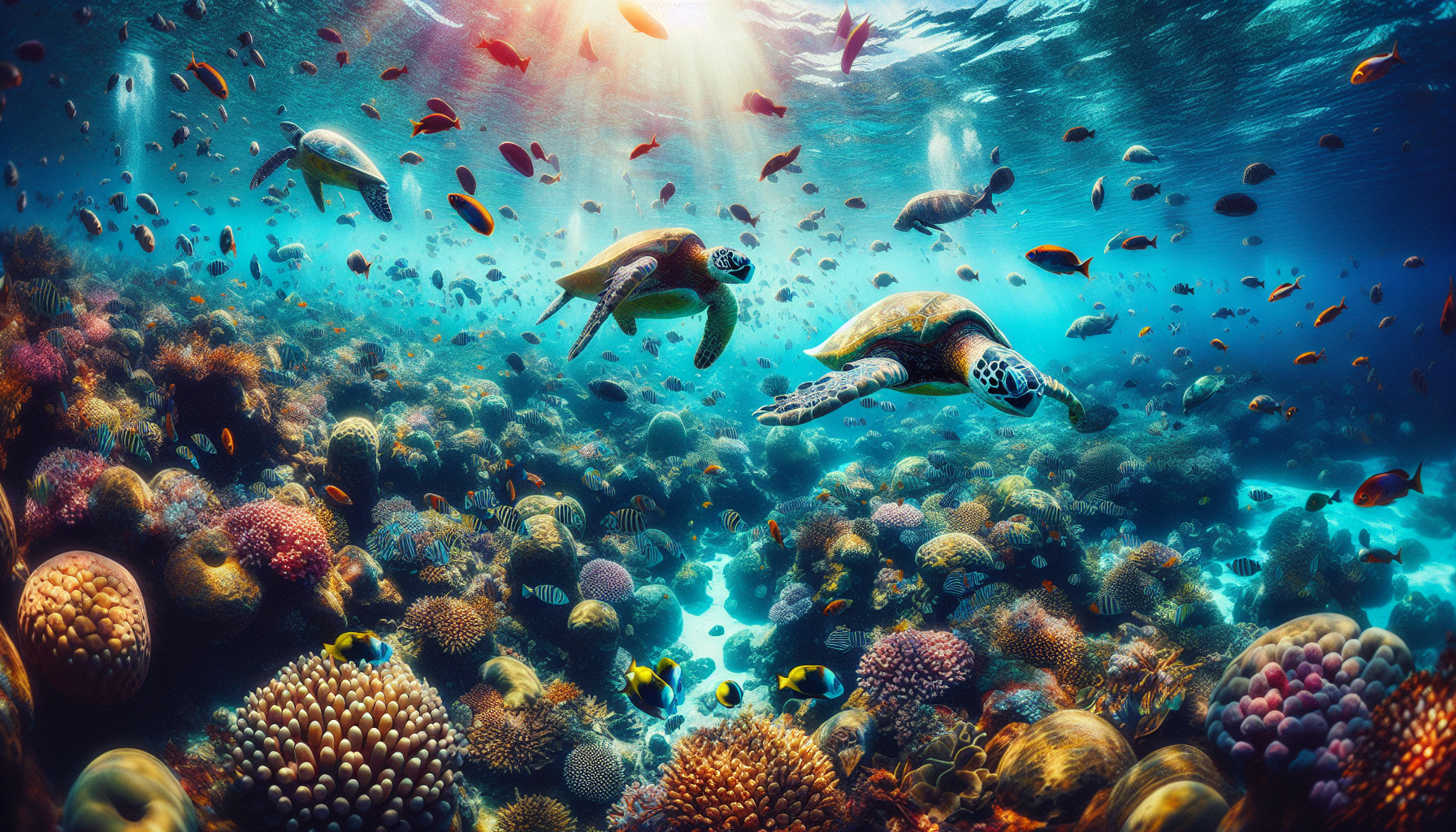
Equally rich and diverse as its land-based counterparts, the marine life in the Galapagos is a spectacle of its own. The archipelago is home to the endemic Galapagos green turtles, which are recognized as one of the largest sea turtles in the world and are capable of staying underwater for approximately two and a half hours. Galapagos sea lions, another endemic species, are known for their playful nature and significant presence, with a population of around 50,000 individuals.
Other marine inhabitants include:
-
The agile and brightly colored Sally Lightfoot crabs, which play a critical ecological role by cleaning ticks from marine iguanas
-
Diverse fish species
-
Manta rays
-
Hammerhead sharks
The waters near Punta Espinosa on Fernandina Island and Prince Phillip’s Steps on Genovesa Island promise an underwater extravaganza for snorkelers.
Land Animals
On land, the Galapagos boasts a range of unique animals, with the giant tortoise serving as a symbol of the islands. Known as the world’s largest tortoise and the longest-living vertebrate, these creatures can live over 150 years. Darwin’s finches, composed of about 13 species, played a key role in Charles Darwin’s theory of natural selection.
Other notable inhabitants of the Galapagos include:
-
The Galapagos hawk, one of the top predators among the islands’ land species, with just 150 breeding pairs remaining
-
Three species of land iguanas, including the recently discovered pink species
-
The marine iguana, the only marine lizard in existence
-
The vibrant Vermillion Flycatcher
The Galápagos Islands offer a realm of fascinating creatures that will captivate any wildlife enthusiast.
Island-Hopping Adventures
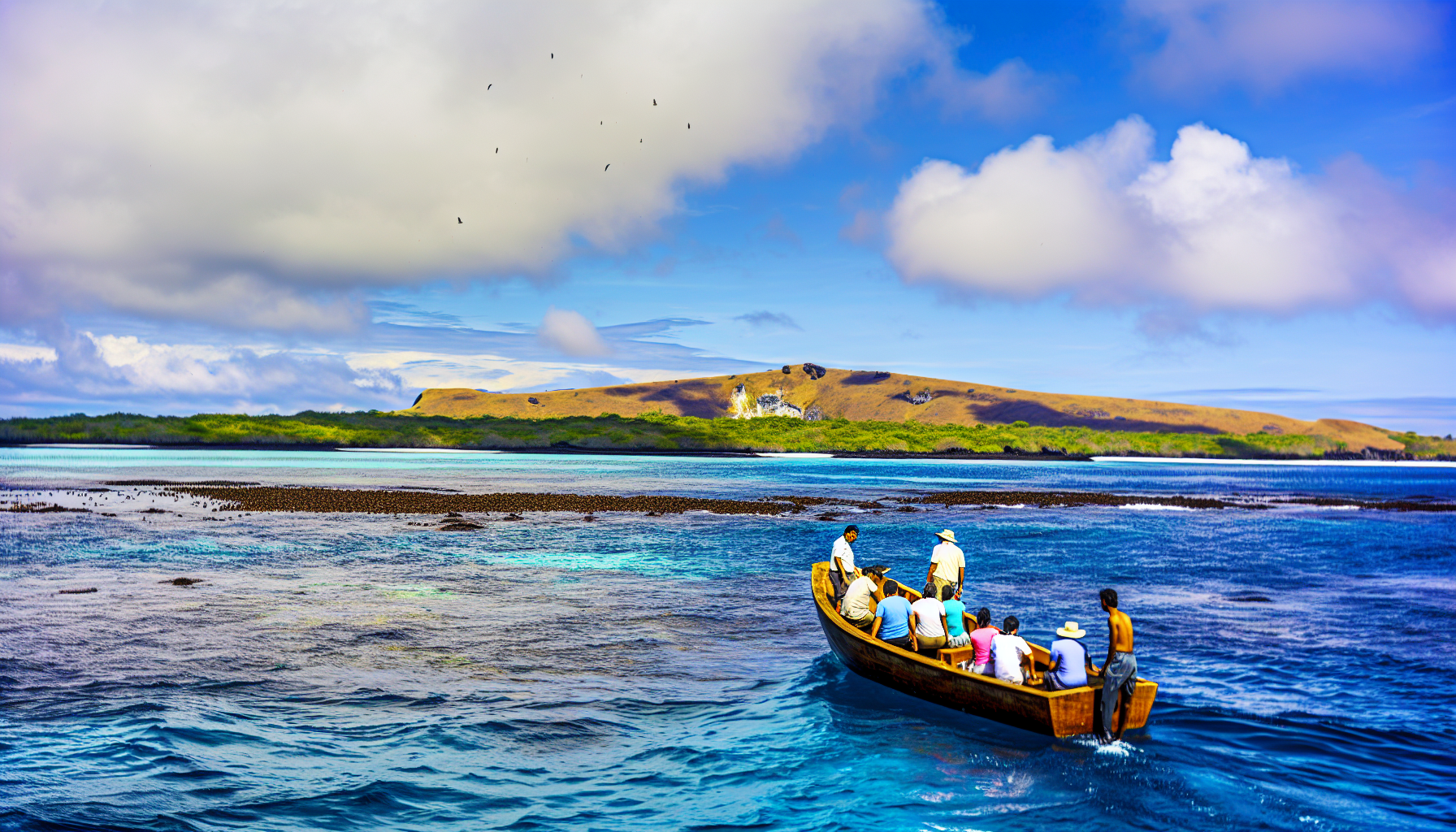
The mere exploration of the Galapagos archipelago constitutes an adventure. One of the best ways to experience the beauty and diversity of the islands is through island-hopping adventures, visiting both inhabited and uninhabited islands. This journey offers visitors a palette of activities tailored to diverse preferences during shore excursions on the Islands.
Whether you’re an active traveler eager to trek through the islands’ unique landscapes, or a relaxation-seeker looking to unwind at serene beaches and deck-side bars, island-hopping in the Galapagos caters to all kinds of preferences.
Some highlights of island-hopping in the Galapagos include:
-
Naturalist-led excursions that provide insightful experiences into the islands’ ecosystems
-
Enriching the wildlife experience
-
Creating unforgettable memories
Popular Islands
Among the Santa Cruz Islands, Santa Cruz serves as a central point for visitors due to the Itabaca Canal, providing access between Santa Cruz and Baltra Island via water taxis or ferries. Additionally, San Cristóbal Island is home to the Interpretation Center which educates visitors on the Galapagos’s natural and human history, and offers snorkeling opportunities at Kicker Rock.
Isabela Island, the largest in the archipelago, is a place of immense natural beauty and offers visitors unique wildlife spotting opportunities. Finally, Floreana Island allows exploration of historical Post Office Bay and experiences like snorkeling with sea turtles at Black Beach and flamingo sightings in a nearby lagoon.
Off-the-Beaten-Path Islands
For those seeking less-traveled paths, islands like Bartolomé Island and Fernandina offer pristine landscapes and unique wildlife. Bartolomé Island is known for its barren beauty and iconic Pinnacle Rock, an impressive volcanic feature, while Fernandina Island is one of the youngest and most pristine islands with an impressive population of iguanas and sea lions.
Visitors to Fernandina can expect to encounter unique wildlife, such as iguanas and the Flightless Cormorant, which has evolved to lose the ability to fly and is only found on this island and Isabela. And for those yearning to explore these off-the-beaten-path islands, there are trails that provide a feast of natural wonders and wildlife encounters.
Choosing Your Galapagos Experience
One of the key decisions when planning a trip to the Galapagos is whether to opt for a cruise or land-based experience. Such a decision should consider factors such as cost, how one prefers to manage their time, and the level of access desired to the archipelago’s various islands.
Whether it’s meeting incredible wildlife, trekking through unique landscapes, learning from experts, enjoying spacious accommodations, tasting globally inspired cuisine, or contributing to the support of local communities, the Galapagos provides a variety of experiences that cater to every traveler.
Cruise Options
Cruises in the Galapagos Islands are offered through a variety of vessels. These include:
-
Celebrity Flora
-
Celebrity Xpedition
-
Celebrity Xploration
-
Dedicated scuba diving boats like the Galapagos Sky, Galapagos Aggressor III, and Galapagos Master.
Cruise ships in the Galapagos are available in different service levels categorized into:
-
Luxury
-
First Class
-
Mid-Range
-
Budget
The onboard experience in the Galapagos can differ depending on whether passengers choose a medium-sized cruise ship or opt for smaller vessels, such as motor yachts, catamarans, or sailing boats.
Land-Based Tours
On the other hand, land-based tours in the Galapagos Islands offer the flexibility to tailor the experience to personal preferences and budget. These tours allow for dining at different locations and easy travel between the inhabited islands.
Accommodations in the Galapagos range from budget-friendly options at around $30 a night to luxury hotels recognized by National Geographic. Most hotels are located within walking distance of the main piers, and many offer tourism packages that include day tours to other islands.
Adventure Activities and Attractions
A multitude of adventure activities await visitors in the Galapagos. From kayaking that allows visitors to quietly explore the coastlines, observe birds nesting, and view marine life in the clear waters, to stand-up paddleboarding that offers a peaceful way to enjoy the Galapagos coastline and encounter marine wildlife up close.
For those seeking more adrenaline-fueled experiences, the Galapagos Islands offer a range of activities:
-
Surfing: Tongo Reef for experienced surfers and La Loberia for beginners
-
Horseback riding tours covering diverse terrains and landscapes
-
Biking: trails across the highlands of Santa Cruz and San Cristobal
-
Zip-lining and parasailing for a thrilling perspective of the island’s natural beauty
Hiking and Trekking
The Galapagos Islands offer diverse hiking and trekking opportunities, allowing visitors to explore the unique landscapes and wildlife on foot. For casual hikers, the Tortuga Bay Footway is an easy trail suitable for birdwatching and enjoying the beach.
For more experienced hikers, the Sierra Negra Volcano Trail presents a challenging route with spectacular views of the volcano’s vast crater. Whether you’re a seasoned trekker or a casual walker, the Galapagos offers a host of hiking and trekking opportunities that will leave you in awe of nature’s grandeur.
Scuba Diving and Snorkeling

The underwater world of the Galapagos is as captivating as its terrestrial landscapes. Scuba diving and snorkeling are premier activities, offering unparalleled encounters with marine life. Liveaboard diving cruises feature 8-day programs that visit premier diving spots like Darwin and Wolf Islands.
For snorkelers, spots like:
-
Kicker Rock
-
La Loberia Beach
-
Devil’s Crown
-
Pinnacle Rock
Promise encounters with various sharks, sea lions, rays, and even the occasional Galapagos penguin. The warm/wet season brings calmer waters ideal for snorkeling, while the cool/dry season caters to divers with a rich presence of marine wildlife, including whale sharks.
Sustainable Travel and Conservation Efforts
The preservation of the Galapagos’ natural beauty hinges on sustainable travel and rigorous conservation efforts. The islands face threats such as illegal fishing, non-native species, and the impact of tourism, which are being addressed through initiatives like the World Wildlife Fund’s support for the Galapagos National Park and promotion of sustainable fishing practices.
Sustainable tourism in the Galapagos includes:
-
Funding conservation efforts
-
Providing travelers with insight into the ecosystem’s fragility
-
Strategies like carbon-offset trips by Intrepid Travel to enhance sustainability
Ecotourism Practices
Embracing eco-friendly practices plays a fundamental role in securing the Galapagos’ sustainability. Travelers are encouraged to choose accredited, licensed tour providers with commitments to Galapagos conservation.
Sustainable travel practices such as spending more time in one location, choosing sustainable modes of transport, and traveling during the off-season can greatly contribute to minimizing ecological footprints. Moreover, compliance with Galapagos biosecurity measures, such as allowing luggage screening and signing an affidavit to prevent the introduction of invasive species, is also crucial.
Supporting Local Communities
Supporting local communities is a key aspect of sustainable tourism in the Galapagos. Travelers can support local communities by planning vacations with local companies that invest tourist revenue back into the community.
Engaging with local businesses such as sourcing locally produced products is recommended for tour providers to aid the local economy. Tour operators contribute to the local communities by hiring local employees, providing fair wages, and offering training opportunities.
Practical Tips for Visiting the Galapagos Islands
A few practical considerations are necessary when planning a trip to the Galapagos. The official currency of Ecuador, which includes the Galapagos Islands, is the U.S. dollar, so no currency exchange is necessary for U.S. travelers.
When packing for the Galapagos, it’s important to consider the activities planned and the environmental conditions. An essential packing list should include:
-
Insect repellent
-
High-SPF and reef-safe sunscreen
-
A hat with a brim
-
A rash guard for sun protection
-
A reusable water bottle to reduce plastic waste.
Best Time to Visit
Thanks to their equatorial location, the Galapagos Islands enjoy a pleasant climate all year round, devoid of extreme weather conditions like hurricanes. There are two main seasons in the Galapagos: a hot season from December to May with more rainfall and vegetation, and a cooler dry season from June to November characterized by increased marine activity.
From December to May, the weather is warmer with short showers, higher air and water temperatures, making it ideal for swimming, snorkeling, and scuba diving. During the cool/dry season from June to November, temperatures are lower, a light fog (garúa) is common, and the ocean is influenced by the Humboldt Current, prompting the best conditions for hiking.
Getting There and Around
Traveling to the Galapagos Islands requires visitors to first reach one of Ecuador’s major international airports in Quito or Guayaquil, followed by a domestic flight to either Seymour Galapagos Ecological Airport on Baltra Island or San Cristobal Airport. The approximate cost for a round-trip flight from Guayaquil to the Galapagos is $400, from Quito it is about $500, plus additional fees for a transit control card and the Galapagos National Park entrance.
Once in the Galapagos, inter-island transportation includes small aircraft for rapid travel with scenic views, outboard motorboats for up to 20 passengers, and luxury catamarans offering added comfort.
On Santa Cruz Island, ground transportation from Baltra airport to Puerto Ayora requires a bus, a ferry crossing, and another bus or taxi, while taxis are also available for longer distances within towns across the islands.
Summary
The Galapagos Islands, a unique blend of volcanic landscapes and extraordinary biodiversity, provide a window into nature’s marvels. With endless opportunities for exploration, island-hopping adventures, and encounters with unique wildlife, the islands offer a truly unparalleled experience. Whether you choose a cruise or land-based tour, every choice you make on this journey contributes to preserving the islands’ unique ecosystem. As you embark on this adventure, remember to respect the islands’ delicate environment, follow park guidelines, and support local communities. The Galapagos Islands await, promising a journey that will forever etch itself into your memory.
Frequently Asked Questions
Why is the Galapagos island so famous?
The Galápagos Islands are famous for their wealth of unique plants and animals found nowhere else in the world, which were the source of Darwin’s theory of evolution and remain a valuable living laboratory for scientists today.
How much does it cost to go to the Galapagos Islands?
A trip to the Galapagos Islands can cost anywhere from USD 1,200 to USD 6,000 or more per passenger for a 5-day/4-night itinerary. However, it’s important to consider other factors besides price when selecting an expedition vessel.
Can tourists stay on the Galapagos Islands?
Yes, tourists can stay on the Galapagos Islands. There are hotel options available on the inhabited islands of Santa Cruz, San Cristobal, Isabela, and Floreana. The other islands and islets of the archipelago do not permit overnight stays.
What are the unique animals found in the Galapagos Islands?
The unique animals found in the Galapagos Islands include giant tortoises, blue-footed boobies, Darwin’s finches, and marine iguanas. These are just a few examples of the diverse wildlife you can encounter there.
What are the options for exploring the Galapagos Islands?
You can explore the Galapagos Islands through cruise or land-based tours, each providing unique experiences and island access options. Consider your preferences before choosing your exploration method.