
Planning a trip to Banff National Park encompasses the excitement of exploring the Canadian Rockies’ majestic peaks, pristine lakes, and rich cultural history. As Canada’s first national park, Banff offers a harmonious balance between wilderness adventure and the charm of its townsite amenities. This guide provides essential tips and insights to help you craft an unforgettable journey to Banff, whether you’re drawn to the soothing hot springs, eager to hike the vast network of trails, or simply wish to bask in the park’s natural splendor.
Key Takeaways
-
Banff National Park is Canada’s first national park, distinguished by its cultural significance to Indigenous Peoples, recognition as a UNESCO World Heritage Site, and its commitment to conservation and biodiversity.
-
The town of Banff offers a bustling hub with attractions such as museums, shops, dining, and accommodations, encapsulating the Canadian spirit and catering to tourists with a range of activities and services.
-
Banff National Park provides a multitude of outdoor activities and iconic landmarks, like the picturesque lakes and impressive peaks, inviting visitors to explore its natural wonders through hiking, biking, and water-based adventures.
Essential Banff National Park Information
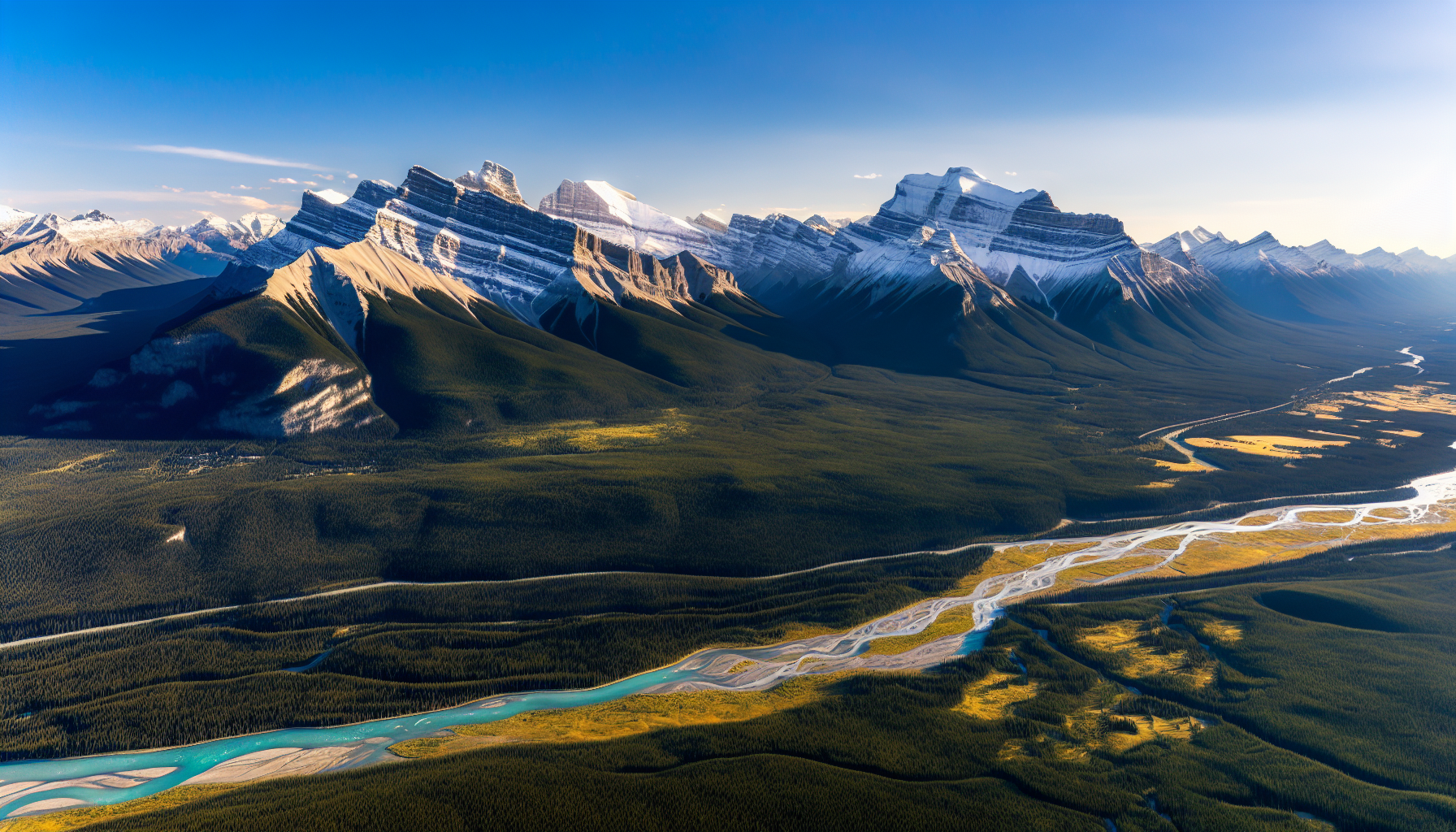
Located within the awe-inspiring Canadian Rocky Mountains, Banff National Park spans an impressive area of 6,641 square kilometers, offering a vast playground for nature and adventure enthusiasts alike. Managed by Parks Canada, the park embodies a commitment to conserve the wilderness and nature, ensuring that its beauty and biodiversity remain unspoiled for generations to come.
Banff National Park holds a deep connection with the Indigenous Peoples of the region. It is situated within the territories of Treaty 6, 7, and 8 First Nations as well as the Métis Homeland, acknowledging their millennia-long use of the land for:
-
sustenance
-
ceremony
-
trade
-
travel
This acknowledgement is a testament to the rich cultural heritage that permeates every corner of the national historic site park.
Canada’s First National Park
Established in 1885, Banff National Park stands not only as Canada’s first national park but also as the world’s third, embodying a celebrated history as an iconic mountain destination. It serves as the cornerstone of Canada’s park system, marking the advent of a national park system within the country and setting a precedent for the preservation of natural landscapes for public enjoyment and safeguard against private exploitation.
The park’s establishment was driven by an early conservation ethos, aiming to preserve natural landscapes for public enjoyment and safeguard them from private exploitation. This vision has continued to guide the park’s management, ensuring that Banff National Park remains a refuge of natural beauty and biodiversity.
UNESCO World Heritage Site
Banff National Park is more than just a national park; it is part of the Canadian Rocky Mountain Parks UNESCO World Heritage Site, a recognition that extends to neighboring national and provincial parks. This prestigious designation is a testament to the comprehensive and striking mountain landscape of the Canadian Rocky Mountain Parks, characterized by:
-
Peaks
-
Glaciers
-
Lakes
-
Waterfalls
-
Canyons
-
Limestone caves
The size and untouched condition of the World Heritage Site not only ensure the ongoing protection of its scenic features but also foster a focus on ecological conservation. Conservation measures include:
-
The management of the ecosystem with respect to the Species at Risk Act
-
The use of wildlife corridors and overpasses
-
Collaboration on trans-boundary conservation issues
This dedication to conservation reaffirms Banff’s commitment to preserving its natural heritage for future generations.
Exploring the Town of Banff
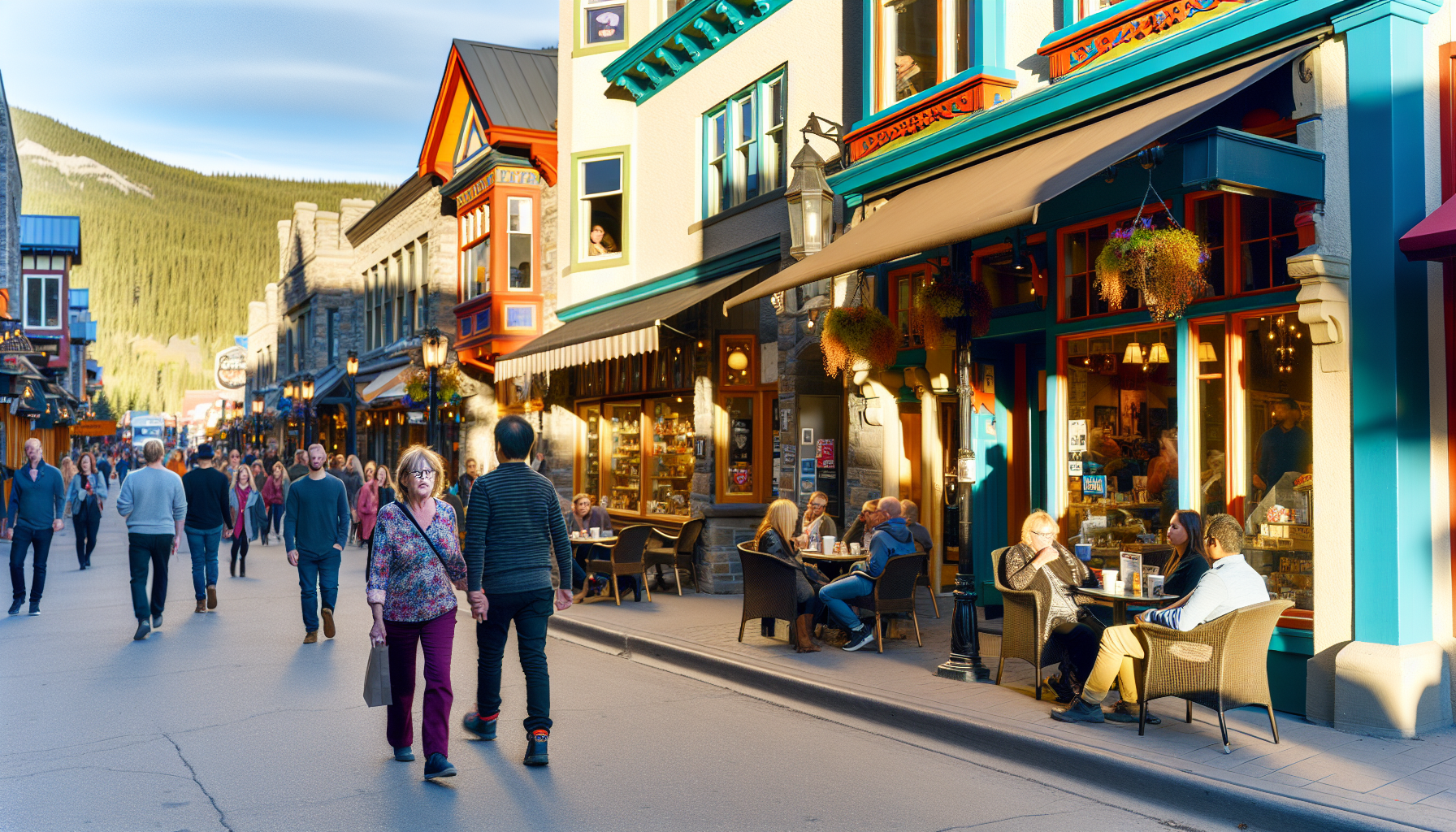
Beyond the wilderness and stunning landscapes, the heart of Banff National Park is the town of Banff – a vibrant hub that showcases the Canadian spirit and offers an array of activities and attractions. Here, travelers can delve into the history and culture of Banff through museums like the Whyte Museum or enjoy the picturesque environment with Open Top Touring in vintage-style automobiles.
For those with a penchant for shopping, Banff’s shopping scene offers a range from outdoor gear and fashion to Canadian crafts and art galleries on both Banff Avenue and Bear Street. The town is also home to a diverse array of dining experiences, from casual fare at the Banff Avenue Brewing Co. to exquisite dining options like the 1888 Chop House and the eclectic Banff Grizzly House Restaurant. For coffee lovers, independent coffee shops such as Good Earth Coffeehouse offer locally brewed coffee with views of Banff Ave and Mount Rundle.
Main Street Attractions
Banff Avenue, commonly known as Main Street, is the town’s epicenter of activity. Here, visitors can explore a wide selection of stores selling mountain gear, fashion, and souvenirs, making it a haven for shoppers. Main Street also features art galleries where visitors can appreciate original Canadian art, providing a cultural respite amidst the shopping spree.
When it comes to dining, Banff Avenue doesn’t disappoint. From the Banff Keg Steakhouse & Bar, known for its steak menu, to the relaxed atmosphere and comfort food at Bear Street Tavern, there are plenty of options for every palate. Whether you’re in the mood for a quick bite or a full-course meal, Main Street’s culinary offerings ensure that every meal is an enjoyable experience.
Accommodations and Services
In Banff, rest and relaxation come in various forms. Whether you prefer the luxury of hotels, the charm of family-friendly chalets, or the intimacy of bed and breakfasts, the town of Banff and the village of Lake Louise offer diverse accommodation choices. For budget-conscious travelers, the area also offers hostels and various campgrounds and RV sites for a closer-to-nature experience.
Amenities at certain accommodations in Banff, such as onsite dining, hot tubs, and parking facilities, enhance the overall guest experience. Popular lodging options on Banff Ave include the heritage ambiance of the Mount Royal Hotel with its rooftop hot tubs, and the modern style of Elk + Avenue. Properties like the Banff Park Lodge and the Banff Caribou Lodge & Spa offer convenient amenities for guests, including onsite dining options and hot tub facilities for relaxation.
Must-Visit Locations in Banff National Park
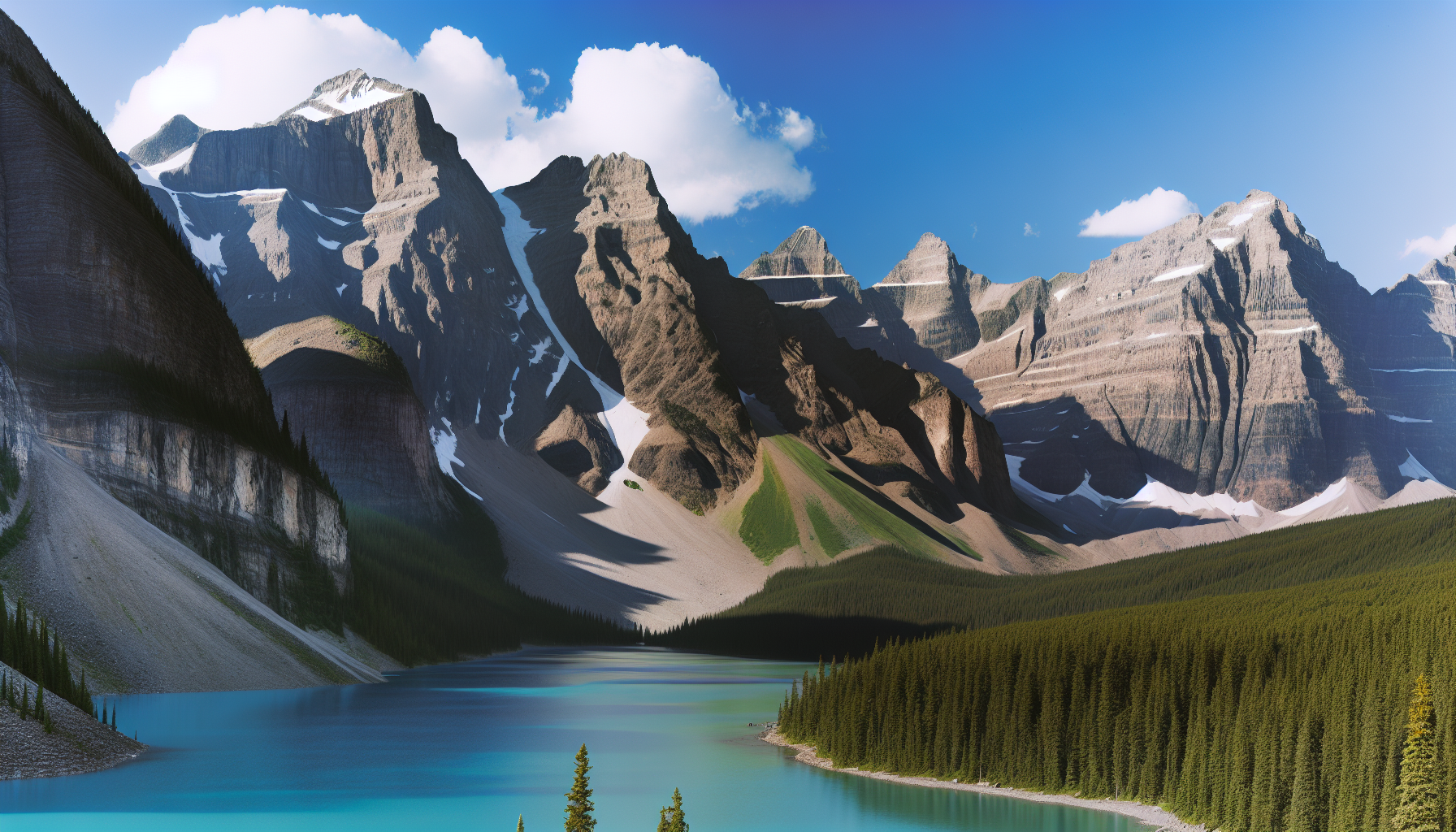
Banff National Park is home to a myriad of iconic locations that capture the heart and soul of the Canadian Rockies, including the stunning Fairmont Banff Springs. From the vibrant turquoise waters of Lake Louise and Moraine Lake to the breathtaking panoramas from Sulphur Mountain, each location offers a unique and memorable experience.
Each of these locations has its own charm, presenting visitors with a myriad of ways to immerse themselves in the park’s natural beauty. Whether you’re a nature lover, an adventure enthusiast, or a photography aficionado, these iconic locations in Banff National Park are sure to leave you spellbound.
Stunning Lakes
The stunning lakes of Banff National Park are a sight to behold. Bow Lake, one of the park’s most accessible lakes, offers visitors stunning views of the Crowfoot Glacier. For those seeking tranquility away from the crowds, Herbert Lake provides a serene setting, its reflective surface beautifully mirroring the majestic surrounding mountains. This hidden gem is also an ideal spot for canoeing, offering a peaceful paddle destination with a sense of seclusion.
These stunning lakes in Banff National Park offer visitors the opportunity to unwind, rejuvenate, and connect with nature. Whether you choose to simply admire their beauty or engage in water-based activities, these lakes are a must-visit:
-
Lake Louise
-
Moraine Lake
-
Peyto Lake
-
Bow Lake
-
Vermilion Lakes
With their crystal-clear waters and picturesque surroundings, these lakes are sure to leave you in awe.
Majestic Peaks and Valleys
The majesty of Banff National Park is perhaps best encapsulated by its towering peaks and sweeping valleys. Mount Victoria, crowning Lake Louise, features a massive hanging glacier, providing a dramatic backdrop that captivates all who see it. Nearby, Mount Athabasca offers climbers a significant mountaineering challenge, standing as one of the iconic 11,000-foot Canadian Rockies peaks.
Some of the stunning landmarks in the Canadian Rockies include:
-
Castle Mountain, a prominent landmark along the Bow Valley Parkway and the Trans-Canada Highway, boasting a unique castle-like structure
-
The Valley of the Ten Peaks, renowned for its alpine panorama, adding to the stunning vistas around Moraine Lake
-
The Bow River Valley, a classic representation of the Canadian Rockies, featuring the meandering Bow River and picturesque flora and fauna
Each of these majestic peaks and valleys offers a unique perspective of Banff’s beauty, making them must-visit locations for every visitor.
Outdoor Activities in Banff National Park
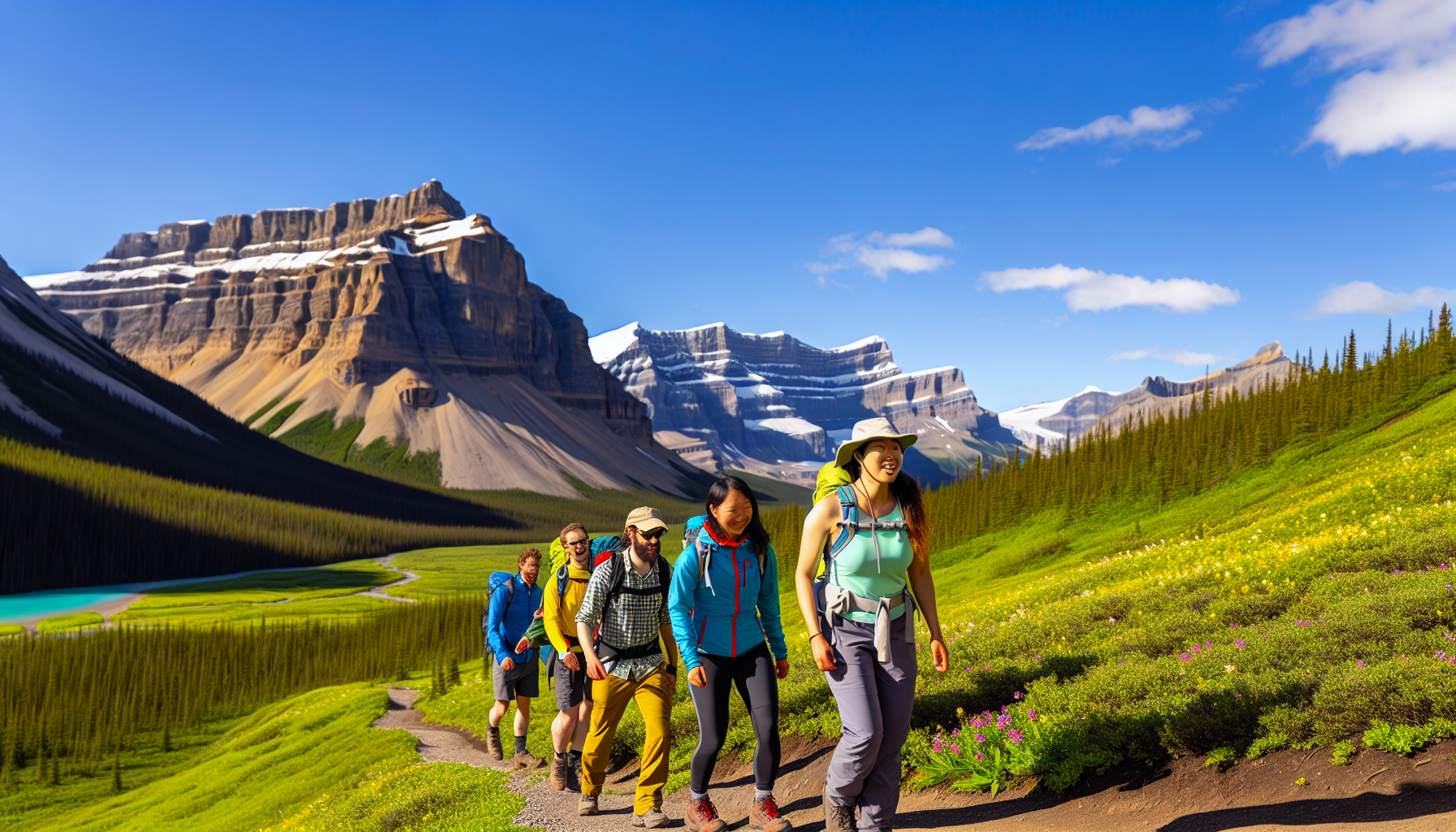
Adventure awaits at every corner in Banff National Park. From leisurely strolls and adrenaline-pumping adventures, the park offers a wide range of outdoor activities for every kind of traveler. Whether you’re an avid hiker, a biking enthusiast, or a fan of water-based adventures, Banff National Park has something for everyone.
The park offers a variety of activities for outdoor enthusiasts, including:
-
Canoeing
-
Kayaking
-
Fishing in its pristine lakes and rivers
-
Hiking on extensive trails
-
Biking on dedicated paths
-
Scenic walking routes with breathtaking views of the Canadian Rockies
No matter your preference, you’re sure to find an activity that suits your taste and satisfies your thirst for adventure.
Hiking and Biking Trails
For those who prefer land-based adventures, Banff National Park boasts over 1,600 kilometers of hiking trails, accommodating a range of experiences for visitors. Some popular hiking trails in Banff National Park include:
-
Bow River Loop
-
Tunnel Mountain
-
Cory Pass – Mt. Edith Circuit
-
Larch Valley/Sentinel Pass
These trails offer unique landscapes and varying degrees of difficulty, providing options for hikers of all levels.
If biking is more your speed, the Icefields Parkway traverses the park, allowing bikers to enjoy one of the most scenic routes with views of peaks, glaciers, and the expansive Columbia Icefield. Whether you prefer a leisurely bike ride or a challenging hike, Banff National Park’s trails provide visitors with an unforgettable adventure amidst the Canadian Rockies.
Water-Based Adventures
If you’re a fan of water-based adventures, Banff National Park won’t disappoint. Here are some paddling opportunities in the park:
-
Lake Minnewanka: offers serene kayaking and boat tours, as well as amenities like day-use picnic sites and camping.
-
Two Jack Lake: offers various paddling opportunities and amenities.
-
Echo Creek: provides an excellent spot for paddling and wildlife viewing.
-
Vermilion Lakes: provides an excellent spot for paddling and wildlife viewing.
-
Johnson Lake: a good choice for beginner paddlers looking for convenient access.
-
Bow River: a good choice for beginner paddlers looking for convenient access.
For fishing enthusiasts, Lake Minnewanka offers excellent trout fishing, either directly from the shore or on guided trips, taking in the panoramic natural beauty. Whether you’re a seasoned paddler or a novice looking to try something new, the water-based adventures in Banff cater to varying skills levels, providing an unforgettable experience in one of the world’s most beautiful settings.
Banff National Park Pass and Regulations
Fully appreciating everything Banff National Park provides requires knowledge of the park’s rules and regulations. A crucial fact is that a park pass is mandatory for all visitors entering the park. The park’s maintenance and preservation are funded by the fees collected from park entry and services which also support visitor amenities.
Park passes can be purchased at:
-
national park gates
-
visitor centers
-
select campgrounds
-
via phone
-
online
Please bear in mind that violations of the Canada National Parks Act and other national parks regulations can lead to serious consequences such as evictions, court appearances, and fines up to $25,000.
Obtaining a Park Pass
The process of acquiring a park pass is quite straightforward. Visitors can choose between the following options:
-
Daily Discovery Passes
-
Annual Discovery Passes for individuals, seniors, youth, and families or groups
-
Short-Term Access Passes
-
Nation-specific Indigenous Access Passes for Indigenous peoples, granting them access without an expiry date.
Before visiting Banff National Park, park passes can be conveniently purchased either online or in person. Acquiring a park pass not only provides access to the park but also aids in maintaining and conserving this natural marvel for future generations to experience and appreciate.
Park Rules and Safety Tips
Visitors need to familiarize themselves with Banff National Park’s rules and safety guidelines to guarantee a safe and enjoyable visit. For instance, the use of recreational drones is strictly prohibited in the park, with significant fines up to $25,000 for violations. Alcohol and cannabis consumption are also regulated, with bans on consumption at campgrounds that can result in eviction from the park or other legal consequences.
Even minor details, like generator use at campgrounds, are regulated to minimize noise disruption. Generators are only permitted during specific hours, from 9 a.m. to 10:30 a.m. and from 5 p.m. to 7 p.m.. Adherence to these rules and safety guidelines can ensure visitors have a safe, enjoyable, and respectful experience in Banff National Park.
Seasonal Experiences in Banff National Park
Regardless of the season, Banff National Park always delivers a unique and memorable experience. With snow-covered landscapes in winter and lush wildlife habitats in summer, each season ushers in its own charm and an array of activities. During the winter months, visitors can immerse themselves in the SnowDays Festival, which includes ice sculptures, cultural food events, and opportunities for snow sports.
The summer season, on the other hand, provides excellent wildlife viewing opportunities, with increased chances to see:
-
bears
-
elk
-
deer
-
and more
in their natural environment. Whether you prefer the crisp chill of winter or the warm sunshine of summer, experiencing Banff National Park across different seasons allows visitors to enjoy its unique offerings and create lasting memories.
Winter Wonderland
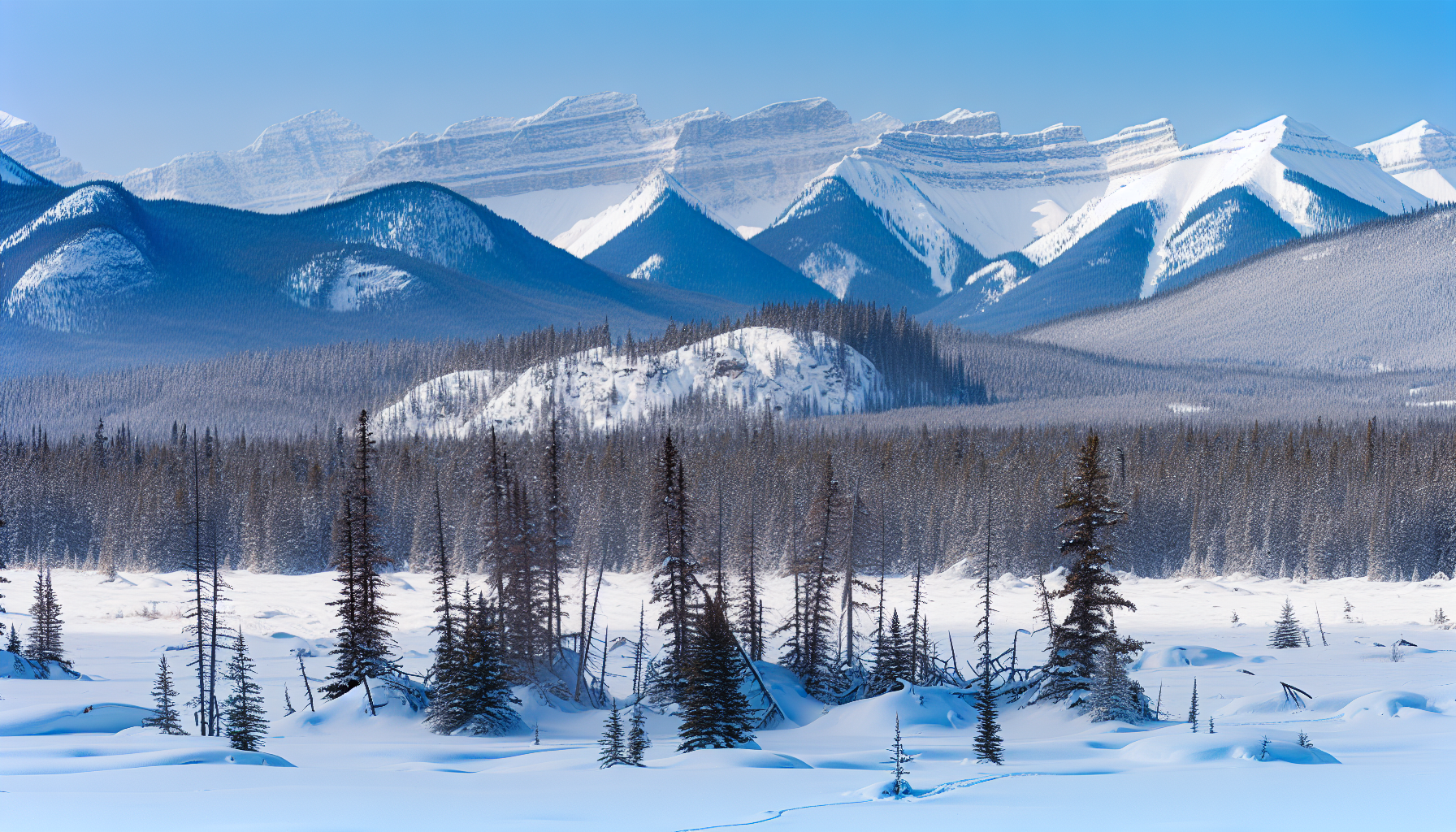
Banff National Park’s winter season, lasting from mid-November to April, boasts one of the longest durations in North America, offering an extensive period for winter activities. Snowshoeing in Banff National Park offers visitors a serene and scenic way to explore the park’s snowy landscapes. For a more adventurous winter activity, dog sledding provides the thrill of mushing through Banff’s snow-covered wilderness.
Another must-do winter excursion in Banff is the Johnston Canyon Ice Walk, where visitors can marvel at frozen waterfalls and ice pillars. Traversing the canyon with cleats and the assistance of a guide, visitors can experience the magic of winter in a truly unique way.
Summer Splendor
In contrast to the snowy winter wonderland, Banff National Park transforms into a lush paradise during the summer. Camping is a favored activity during this season, with numerous campgrounds offering sites for tents, trailers, and RVs, all surrounded by stunning mountain scenery. Each campground comes with different amenities and locations, catering to a range of camping preferences and styles.
Apart from camping in Jasper National Park, another summer highlight is Peyto Lake, a popular stop along the Icefields Parkway. Known for its striking turquoise color that comes from glacial rock flour, Peyto Lake is a sight to behold and a must-visit location during the summer months.
Historical and Cultural Significance of Banff National Park
Apart from stunning natural beauty, Banff National Park is also steeped in cultural and historical significance. Indigenous peoples, including the Bearspaw, Chiniki, and Goodstoney First Nations, have a deep-rooted history with the land now known as Banff National Park. Parks Canada is actively working to strengthen cultural ties with Indigenous groups such as the Stoney Nakoda First Nation, who have longstanding connections to Banff.
Over the years, Banff National Park has seen significant development, from the establishment of the Banff Centre School of Fine Arts in 1933 to its designation as a UNESCO World Heritage Site in 1984. Each of these milestones adds to the rich tapestry of Banff’s history, making it more than just a national park, but a testament to Canada’s cultural and natural heritage.
Indigenous Peoples and Early History
The land now known as Banff National Park has a longstanding connection with Indigenous Peoples. The park is situated within the territories of Treaty 6, 7, and 8 First Nations as well as the Métis Homeland, acknowledging their millennia-long use of the land for:
-
sustenance
-
ceremony
-
trade
-
travel
Cultural use agreements are available for members of Indigenous groups with longstanding connections to the Banff area, allowing them to continue traditional practices within the park.
In 2018, the Indigenous Advisory Circle for Banff National Park was established to provide Indigenous perspectives and recommendations to park superintendents on various topics related to the park. This ongoing collaboration between Parks Canada and Indigenous groups reflects a mutual commitment to preserving and honoring the rich Indigenous heritage of the park.
Development and Conservation Efforts
The history and landscape of Banff National Park has been significantly shaped by its development and conservation efforts. Originally established in 1885 as the Banff Hot Springs Reserve, the park has since expanded and evolved into the renowned national park it is today. Landmark establishments such as the Banff Springs Hotel and the Canadian Pacific Railway have significantly contributed to Banff’s growth and popularity as a top all-season tourist destination.
Moreover, the park’s designation as a UNESCO World Heritage Site, due to its extraordinary natural beauty and the geological importance of formations like the Burgess Shale Cambrian fossil sites, further highlights Banff’s global significance. From the establishment of the first facilities at the hot springs in 1886 to the latest renovations in 1995, each development phase has been guided by a commitment to preserving Banff’s natural and cultural heritage for future generations.
Banff Hot Springs
The natural hot springs are one of the most cherished attractions of Banff National Park. Banff Upper Hot Springs, located in the park and the highest in Canada, were discovered by workers of the Canadian Pacific Railway in 1883, but were used by Indigenous Peoples prior to that for healing and wellness. The hot spring water comes naturally through the Sulphur Mountain Thrust Fault and varies seasonally, with the highest flow rate in the spring.
The healing properties of the hot springs are attributed to the minerals they contain, such as:
-
sulphate
-
calcium
-
bicarbonate
-
magnesium
-
sodium
Visitors can enjoy the therapeutic waters at the Upper Hot Springs bathhouse, which overlooks Mount Rundle. With over 300,000 visitors annually, the Banff Upper Hot Springs remain a popular attraction, offering a rejuvenating experience amidst the stunning natural beauty of the park.
Summary
In conclusion, Banff National Park is a treasure trove of natural beauty, rich history, and diverse cultural heritage. From its majestic peaks and stunning lakes to its vibrant town and rejuvenating hot springs, Banff offers a plethora of unforgettable experiences. Whether you’re an adventure enthusiast, a nature lover, or a history buff, Banff National Park has something for everyone. As Canada’s first national park and a UNESCO World Heritage Site, Banff is more than just a destination – it’s a testament to the enduring beauty and resilience of the natural world.
Frequently Asked Questions
What is the best month to go to Banff?
The best month to go to Banff is during the peak summer season in July and August, when the weather is warm and ideal for exploring the Canadian Rockies. The winter months of December to March are also great for skiing.
Can you see northern lights in Banff?
Yes, you can see northern lights in Banff, particularly at Lake Minnewanka, which is known for its vibrant lakes and majestic mountains, providing an excellent vantage point for aurora viewing.
Is Banff expensive to visit?
Yes, Banff is considered one of the most expensive destinations in Canada, with some visitors spending over $10,000 on a 7-day trip.
Why is Banff so famous?
Banff is famous for its vibrant lakes, majestic mountains, and outdoor adventures due to the natural beauty of its surrounding lakes and mountains, making it Canada’s first National Park and part of the Canadian Rocky Mountain Parks UNESCO World Heritage Site.
Why is Banff National Park important?
Banff National Park is important because it is Canada’s first national park and a UNESCO World Heritage Site, showcasing extraordinary natural beauty, geological formations, diverse wildlife, and significant cultural and historical value.