
Seeking the ultimate outdoor adventure in Jasper National Park? Whether it’s finding the perfect campsite, tackling diverse trails, or marveling at natural wonders, our essential guide ensures you won’t miss a thing in Alberta’s rugged wilderness.
Key Takeaways
-
Jasper National Park features stunning campgrounds for all preferences, including backcountry adventures and RV-friendly spots, with amenities varying from picnic shelters to complete utility hook-ups.
-
Hikers can explore a range of trails with different maintenance levels, but remember to obtain the necessary permits and practice safe wildlife interactions and trail etiquette.
-
Beyond camping and hiking, the park is a treasure trove of attractions like Maligne Canyon and Miette Hot Springs, as well as alternative camping options outside the park for when the campgrounds are fully booked.
Discovering the Best Campgrounds in Jasper National Park
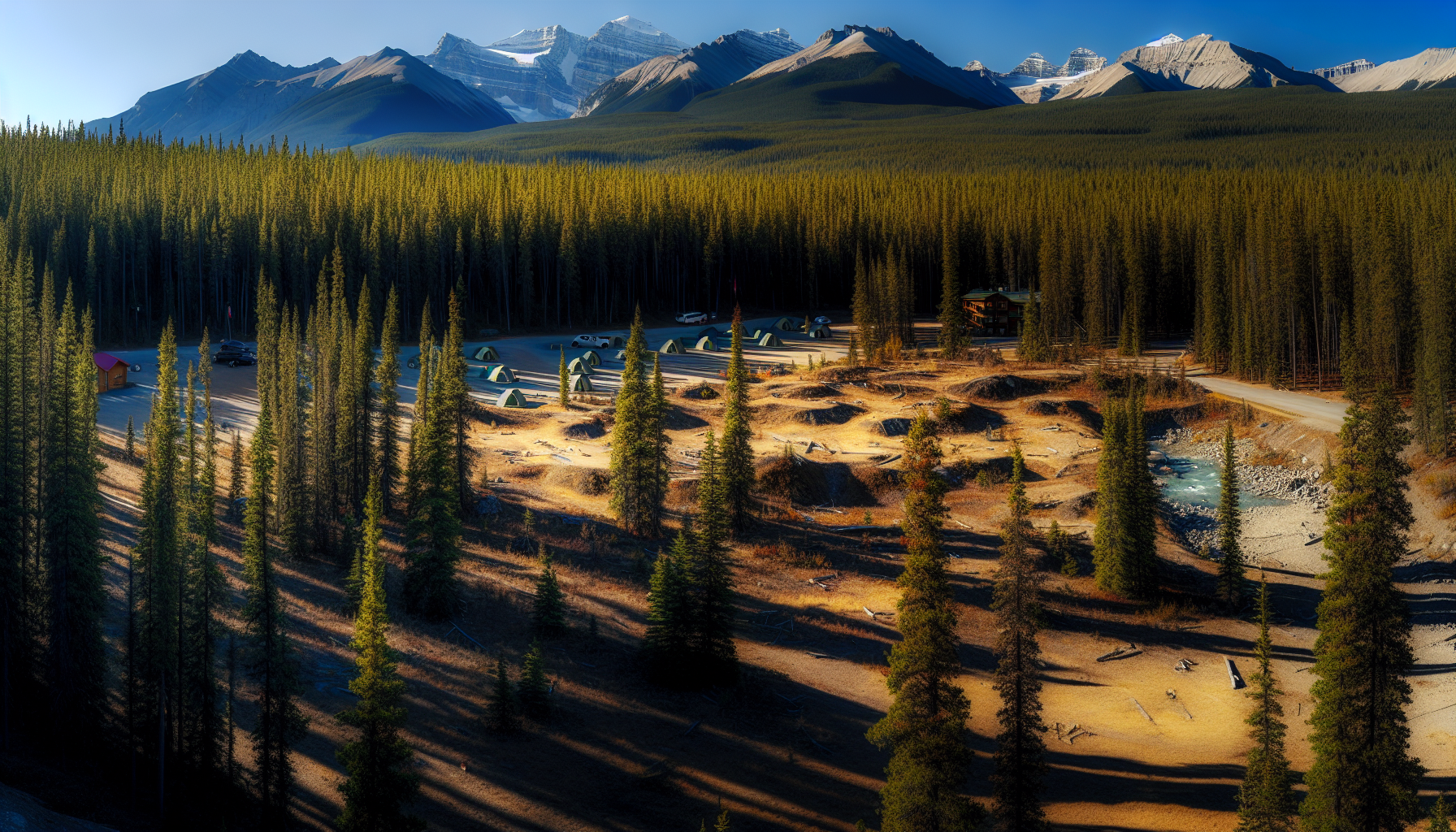
Steeped in breathtaking landscapes and brimming with diverse amenities, the campgrounds in Jasper National Park offer a unique blend of adventure and tranquility. Each campground is a world in itself, offering a distinct charm and a myriad of captivating features. Imagine setting up your tent under the star-studded Alberta skies, surrounded by pristine alpine meadows, tranquil lakes, and rugged mountains. Does it sound like a dream? Well, in Jasper National Park, this dream comes alive!
Whether you’re an RV aficionado or a backcountry camping enthusiast, you’ll find a campground that suits your taste in Jasper National Park. Some of the popular campgrounds include:
-
Honeymoon Lake Campground
-
Wilcox Creek Campground
-
Wapiti Campground
-
Whistlers Campground
Each campground has its unique appeal and amenities. From basic facilities like outhouses and picnic shelters to heated bathrooms, flush toilets, and fire pits, these campgrounds ensure a seamless camping experience.
Now, let’s delve deeper into the world of these captivating campgrounds.
Honeymoon Lake Campground
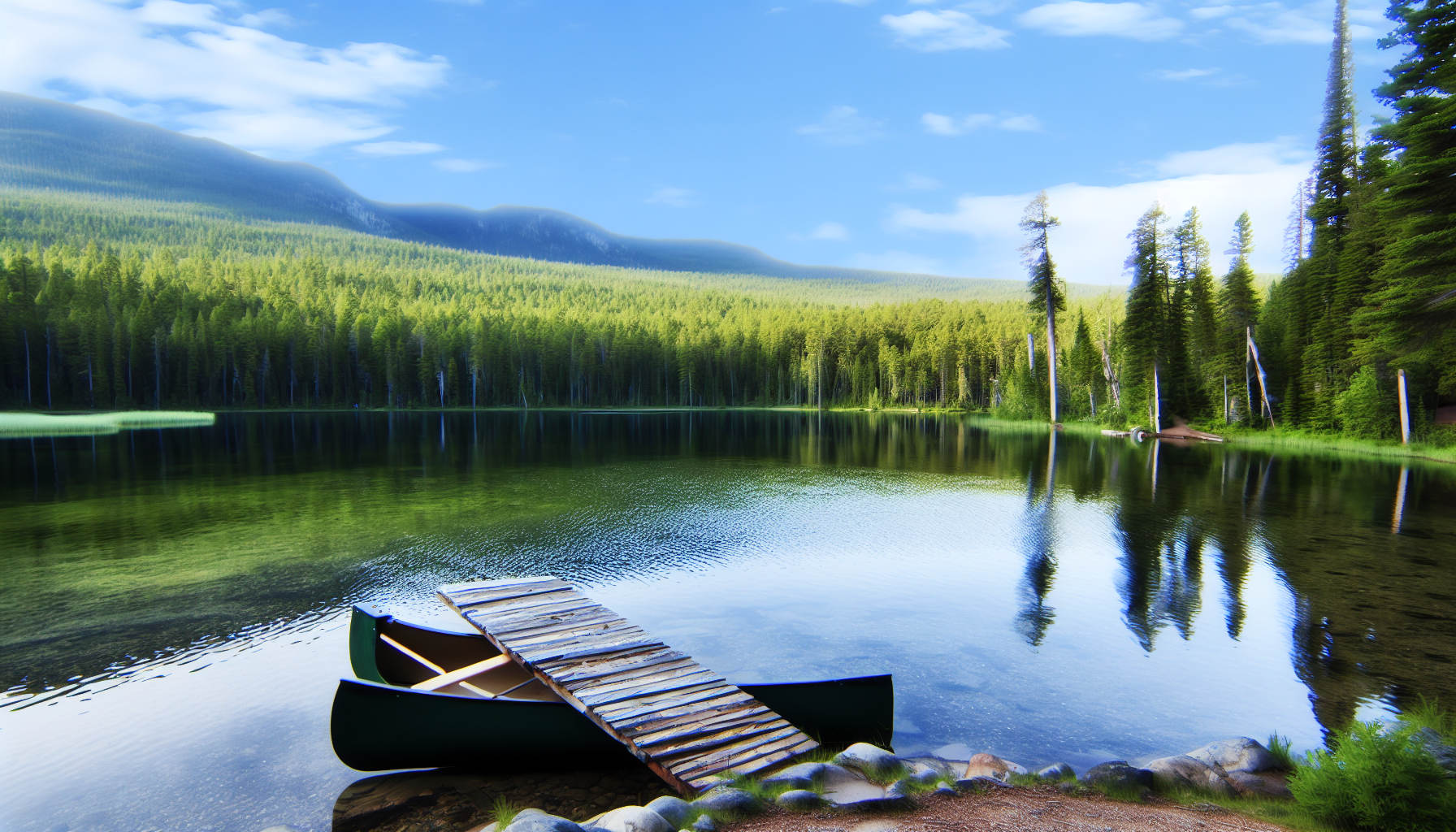
Imagine camping beside a serene lake, surrounded by the tranquility of nature. That’s exactly what awaits you at the Honeymoon Lake Campground. This campground offers:
-
A romantic setting
-
Fundamental amenities such as an outhouse, shelter, and drinking water
-
Accommodation for both tents and trailers across its 35 available sites
It is a haven for both seasoned campers and beginners.
From the picturesque Honeymoon Lake to the majestic Sunwapta Falls, the attractions near this campground make for a memorable camping experience. For water enthusiasts, the campground also boasts a natural canoe launch. Whether you’re interested in water activities, cycling, or just quiet lakeside strolls, the Honeymoon Lake Campground has something for everyone.
Wilcox Creek Campground
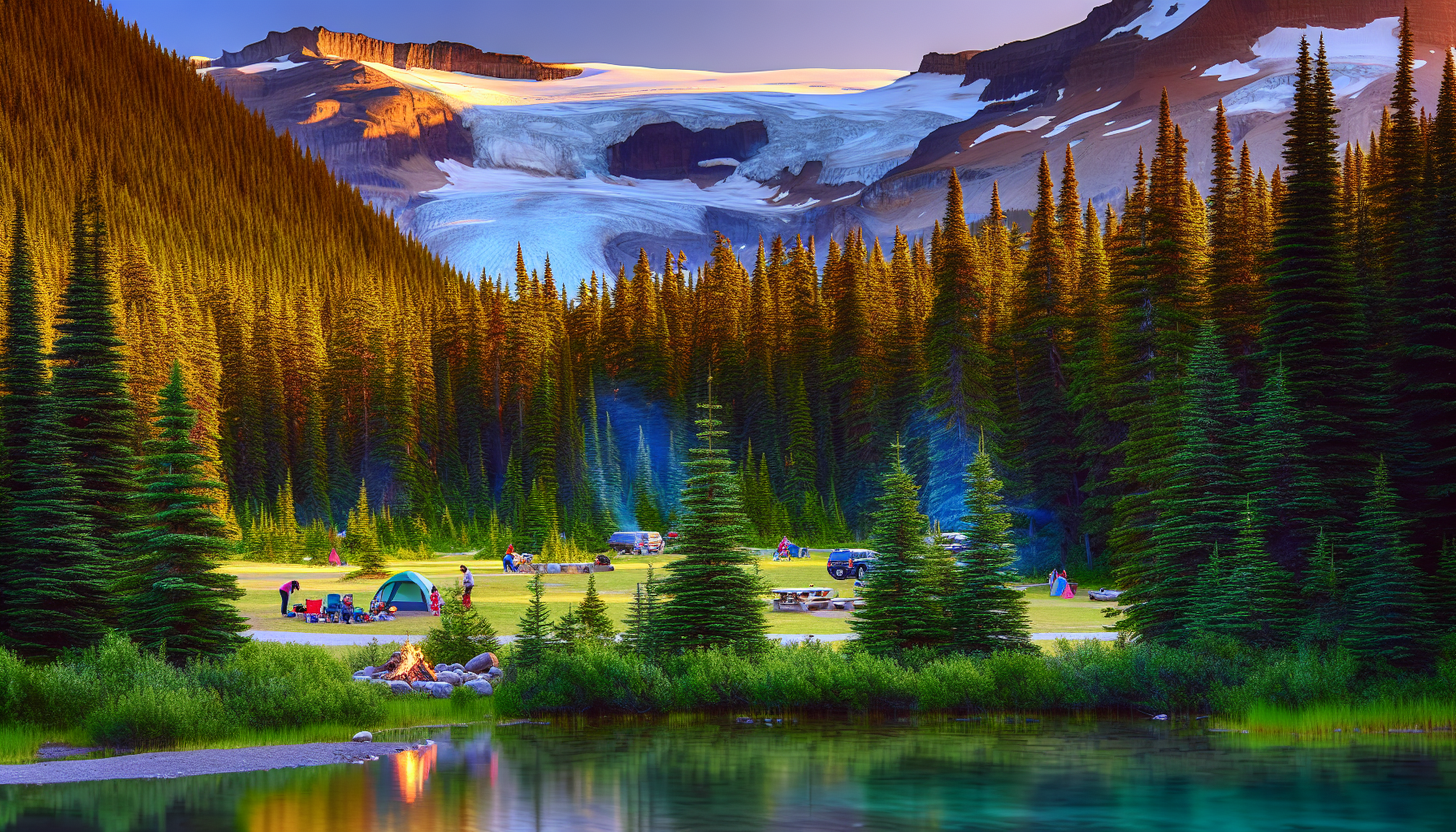
Perched near the iconic Columbia Icefield, the Wilcox Creek Campground offers an awe-inspiring camping experience. With stunning vistas of the icefield, this campground is a photographer’s paradise. It caters to motorhomes and trailers under 27 feet, offering unserviced sites equipped with essential amenities like fire pits, picnic tables, outhouses, a picnic shelter, and a dumping station. Just a short drive away, you’ll find the equally impressive Kerkeslin Campground for more camping options in the area.
But what sets the Wilcox Creek Campground apart is its proximity to the popular Wilcox Pass trailhead. Located right at the entrance of the campground, the trailhead offers campers an opportunity to explore the beautiful landscapes of Jasper National Park. If you’re looking for a campground that offers a blend of comfort and adventure, Wilcox Creek Campground could be your perfect pick!
Wapiti Campground
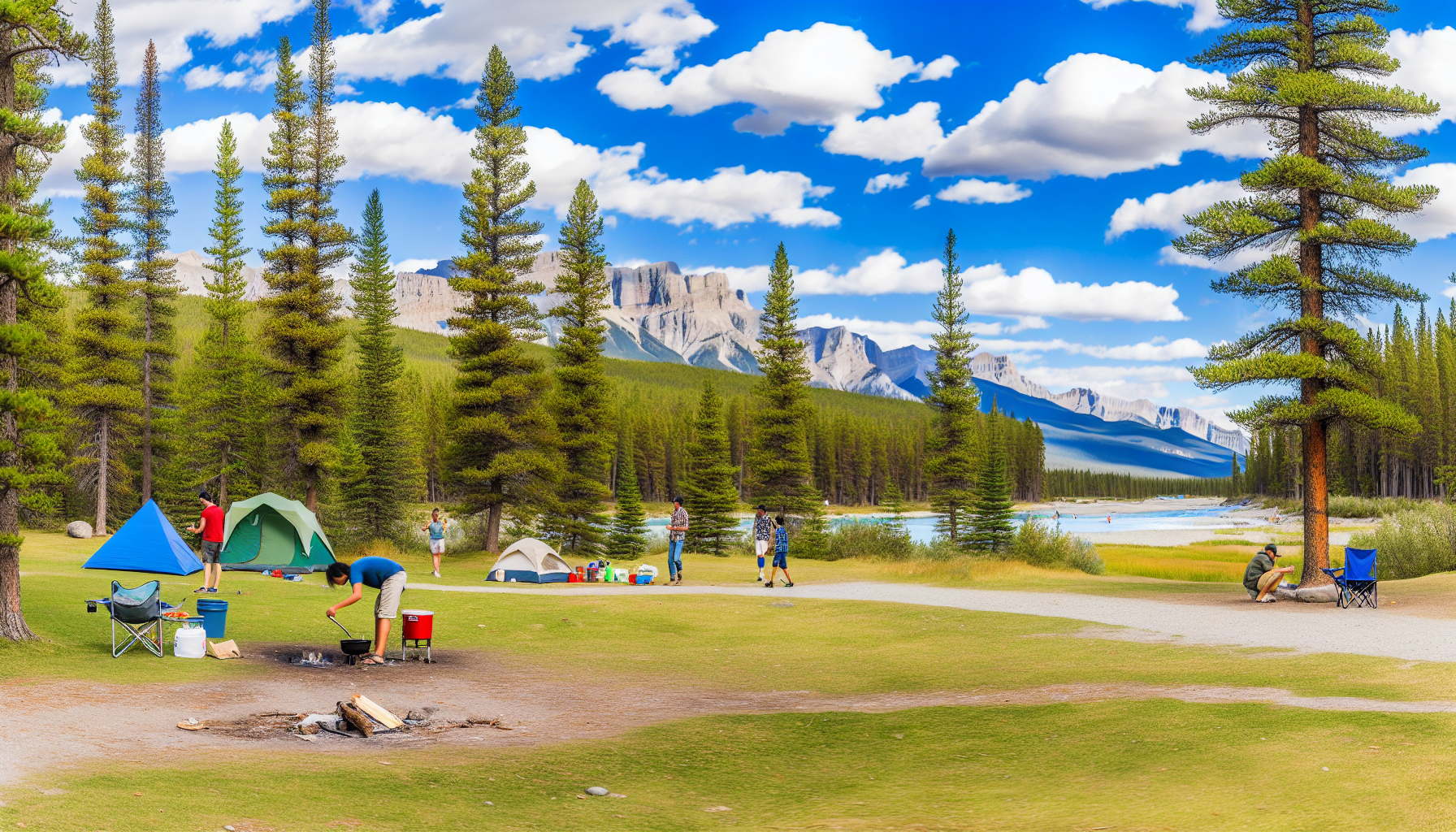
Seeking a year-round camping experience? Look no further than Wapiti Campground. With 363 summer campsites and 75 winter sites, this campground is a stellar choice for camping enthusiasts. Accommodating both tent and RV campers, Wapiti Campground offers a versatile camping experience.
What makes this campground stand out is its reservation system. Unlike many other campgrounds, Wapiti operates year-round and accepts reservations, ensuring a spot for visitors even during the busy summer months. And for those impromptu winter campers, a portion of the campground remains open with sites available on a first-come, first-served basis. So, no matter when you decide to visit Jasper National Park, Wapiti Campground has got you covered!
Whistlers Campground
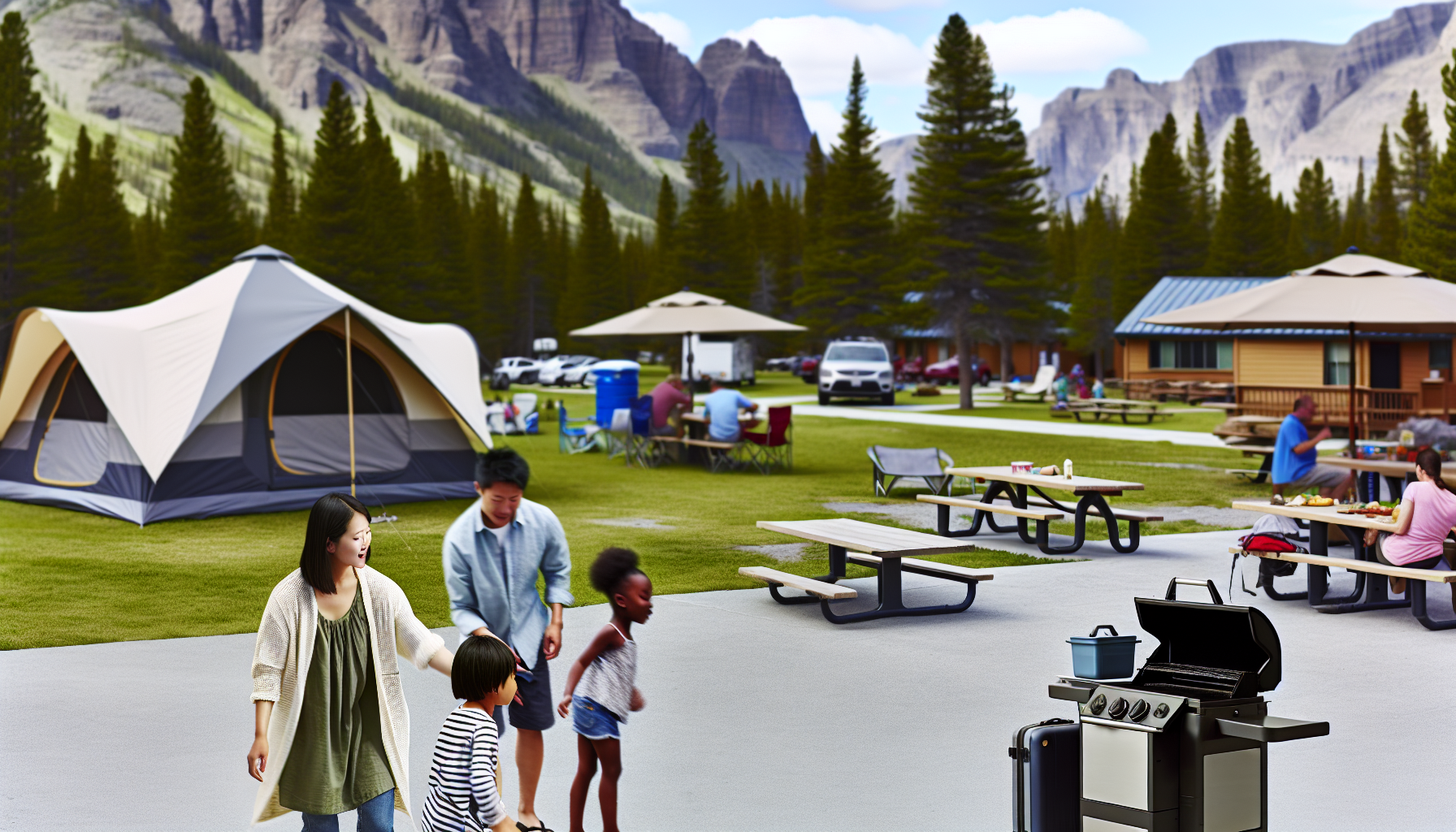
Welcome to the largest campground in Jasper National Park – Whistlers Campground! With a staggering 781 sites, this campground is a hub of camping activity. Its prime location, closest to the Jasper townsite, makes it a popular choice among campers. Whistlers Campground offers a versatile range of accommodation options, including:
-
Full-service sites
-
Electrical sites
-
Glamping tents
-
oTENTiks
The campground facilities are equipped with modern amenities including:
-
hot showers
-
toilets
-
shelters
-
hook-ups
-
a dump station
Notably, significant infrastructure and landscape changes have been made to ensure camper safety and minimize wildfire risks. So, if you’re looking for a comprehensive and safe camping experience, the Whistlers Campground is an excellent choice!
Exploring Jasper’s Backcountry Trails
Beyond the comfort of the campgrounds, Jasper National Park unfolds a world of adventure through its backcountry trails. With a diverse range of trails categorized by maintenance priority levels, there’s a trail waiting to be explored by every type of hiker. Whether you’re a seasoned hiker or a casual stroller, the backcountry trails of Jasper offer an unrivaled opportunity to immerse yourself in the heart of nature.
From high maintenance trails that are regularly inspected and repaired to unmaintained trails that offer a raw and unfiltered hiking experience, Jasper’s backcountry has got it all. But remember, with great adventure comes great responsibility. When traversing Jasper’s backcountry, wildlife encounters are common. It’s important to give them space, take pictures from a distance, and avoid using bear bells. Instead, creating regular noise while hiking is advised to prevent surprising wildlife.
Now, let’s delve deeper into the world of backcountry camping.
Obtaining Permits and Passes
Before you venture into the backcountry trails of Jasper National Park, it’s essential to obtain the necessary permits and passes, including a national park pass. All camping in Jasper National Park is regulated and requires a valid national park camping permit and a national park entry pass. These are mandatory for camping in designated areas and ensure a regulated and safe camping experience.
Backcountry camping permits for Jasper National Park can be obtained online or by calling the Parks Canada Reservation Service. The cost for a backcountry camping permit is 12.75 CAD per person per night. Additionally, the yearly Discovery Pass, which grants entry to all National parks in Canada, including Jasper National Park, can be purchased at park gates, visitor centres, or online.
Now that we’ve got the permits sorted, let’s explore some popular hiking routes in Jasper.
Popular Hiking Routes
Jasper National Park is a hiker’s paradise, offering an array of hiking trails that cater to all abilities and preferences. From easier scenic routes to challenging backcountry adventures, the park boasts a multitude of trails that meander through its stunning vistas and diverse landscapes. As you lace up your hiking boots, get ready for a journey that will leave you in awe of nature’s grandeur.
A popular trail among hikers is the Wilcox Pass Trail, known for its high open pass and excellent views of the Columbia Icefield. For a less strenuous hike, the Maligne Canyon Loop offers breathtaking canyon views. Trails like the Overlander Trail, Jacques Lake, and the Valley Of The Five Lakes Trail offer diverse landscapes and potential wildlife encounters, adding an element of excitement to your hiking experience.
For the more adventurous souls, trails like the East Ridge Summit, the Skyline Trail, and the Tonquin Valley Trail offer challenging hikes with stunning views. Remember, preparation and safety are paramount for all hikes within Jasper National Park. So pack your essentials, follow the trail etiquette, and embark on a hiking adventure of a lifetime!
Essential Tips for Camping in Jasper National Park
There is no experience quite like camping in Jasper National Park. The natural beauty and serenity make it truly unique. Amidst the grandeur of soaring mountains and the serenity of crystal clear lakes, every moment spent in the park is one to cherish. But to make the most of your camping experience, it’s essential to equip yourself with some handy tips and tricks. From managing wildlife encounters to packing the right gear, these tips will ensure a safe and enjoyable camping experience.
Campfires are an integral part of the camping experience, creating a warm and cozy atmosphere as you enjoy a meal under the star-studded sky. However, in Jasper National Park, campfires are permitted only at designated campsites that are equipped with fire pits. And remember, only the provided firewood should be used to prevent the spread of invasive species. Now, let’s delve deeper into some specific camping aspects.
Wildlife Safety
When camping in Jasper National Park, you’re in the heart of nature, co-existing with a variety of wildlife. From the majestic grizzly bears to the nimble mountain goats, encountering wildlife can be both enchanting and challenging. To ensure your safety and that of the wildlife, it’s crucial to follow some safety guidelines.
Firstly, all food, garbage, toiletries, and cooking equipment must be stored securely in provided facilities such as food lockers, cable systems, or bear-resistant containers. This prevents attracting wildlife to your campsite.
Secondly, always give wildlife the space they need. It’s crucial to maintain a safe distance from them – at least 100 meters from predators like bears, wolves, and cougars, and 30 meters from other large animals like elk and deer.
Last but not least, pets must be kept on a leash at all times and never left unattended.
Packing Essentials
Packing for a camping trip in Jasper National Park goes beyond the basic camping gear. Given the diverse weather conditions and the rugged terrains, it’s important to pack smart and light. So, what are the essential items you should pack for your camping trip?
A waterproof tent with a fly, a sleeping bag, and a sleeping pad are essential for overnight stays. For clothing, pack a wool sweater or a fleece/down jacket for warmth, and boots with ankle support, extra socks, a hat, gloves, or mittens, and long underwear to handle the park’s unpredictable weather conditions.
For food preparation and storage, carry a backpack with cooking equipment and bear-proof food storage containers. Water purification is critical; carry a water filter, purification tablets, or extra fuel for boiling water. Additional items like a satellite communication device, insect repellent, and biodegradable soap can enhance your camping experience.
Campsite Etiquette
Just as there are rules to follow in a city, there’s etiquette to adhere to in a campground. Good campsite etiquette ensures a pleasant camping experience not just for you, but also for your fellow campers. So, what are some campsite rules you should follow?
Firstly, follow the ‘Bare’ Campsite Program. Always maintain a bare campsite and store all food and scented items in:
-
hard-sided vehicles
-
trailers
-
motorhomes
-
campground food lockers
when not in use.
Secondly, respect the quiet hours from 11 pm to 7 am. This includes a curfew on liquor, cannabis, and fires to maintain a family-friendly atmosphere and minimize noise.
Lastly, dispose of wastewater in designated sinks, campground toilets, or at a sani dump station, and not on the ground. This helps maintain the cleanliness of the campsite and protects the environment.
Jasper National Park Attractions
Camping in Jasper National Park offers a rich tapestry of experiences that go beyond the traditional camping trip. Here are some of the attractions that promise a memorable experience:
-
Maligne Canyon, the deepest canyon in the park
-
Jasper Park Lodge, a top-rated golf resort
-
Athabasca Falls, a stunning waterfall
-
Mount Edith Cavell, a majestic peak
-
Pyramid Lake, a beautiful lake surrounded by mountains
Explore these attractions and more for an unforgettable Jasper camping experience in Jasper National Park.
Whether you’re an ardent golfer looking to tee off amidst stunning landscapes or a thrill-seeker eager to elevate your sense of adventure, Jasper National Park, the largest national park in the region, has got you covered. The park also offers unparalleled opportunities for stargazing and observing celestial phenomena in a natural setting, thanks to its status as the world’s second largest Dark Sky Preserve. Now, let’s explore some specific attractions in detail.
Maligne Lake and Spirit Island
Crowned as the most photographed location in Canada, Spirit Island on Maligne Lake offers a slice of paradise amidst the rugged landscapes of Jasper National Park. This picturesque island, located in the heart of Maligne Lake, offers a surreal experience, with its stunning scenery offering a feast for the eyes.
Adding to its allure is the fact that Spirit Island holds spiritual significance for the Stoney Nakoda First Nation, with the surrounding mountains representing their ancestors. Visitors to Maligne Lake can engage in a variety of activities, including taking a cruise to Spirit Island and renting canoes, kayaks, or rowboats. Combine these activities with the island’s natural beauty, and you’ve got a recipe for an unforgettable day trip!
Athabasca Glacier and Icefields Parkway
Few drives in the world are as breathtaking as the Icefields Parkway. This scenic drive through the Canadian Rockies, part of the Rocky Mountain Parks World Heritage Site, connects Jasper National Park to Lake Louise in Banff National Park. Along the drive, you’re treated to stunning views of towering mountains, ancient glaciers, and sweeping valleys that define the Icefields Parkway.
Among the many attractions along the parkway, the Athabasca Glacier stands out. One of the most accessible glaciers in North America, it offers a primary tourist attraction within Jasper National Park. Visitors have the opportunity to walk on the glacier itself, offering a firsthand experience of the icy landscape. Add to this the Glacier Skywalk, a glass-floored platform offering expansive views over the Sunwapta Valley, and you’ve got an unparalleled glacier experience!
Complementing the Athabasca Glacier and the nearby Athabasca River is the Columbia Icefield Adventure. This includes the informative Ice Explorer Tour, the breathtaking experience of the Skywalk, and convenient return transportation from the Glacier Discovery Centre. Recognized as a Destination Canada Canadian Signature Experience, the Columbia Icefield Adventure offers visitors the chance to engage with one of Canada’s exceptional, distinctive travel experiences.
Miette Hot Springs
No trip to Jasper National Park is complete without a visit to the Miette Hot Springs. Offering two hot pools heated to perfect temperatures and two cold plunge pools, Miette Hot Springs offers a relaxing contrast bath experience that soothes tired muscles after a day of hiking.
The facility imposes vehicle size restrictions and doesn’t permit trailers and large motorhomes to go past the Miette campground. While there is no café on site, vending machines are available for snacks and drinks. Miette Hot Springs is a seasonal attraction, welcoming visitors from May to October before closing for the winter.
Whether you’re looking for relaxation after a long hike or simply want to soak in the warm waters, Miette Hot Springs is a must-visit attraction!
Alternative Camping Options near Jasper National Park
Sometimes, the popular campgrounds in Jasper National Park can be fully booked, especially during the summer season. But don’t let that deter you. There are several alternative camping options near Jasper National Park, including the Snaring River Overflow campground and several campgrounds near Hinton.
Free camping is also permitted outside Jasper National Park boundaries on public land. While wild camping isn’t allowed within the park itself, you can still experience the beauty of Jasper by camping at nearby sites like the Walmart parking lot in Hinton or Bighorn Country. So, even if you miss out on a spot in the park’s campgrounds, there’s no reason you can’t enjoy a fantastic camping experience near Jasper National Park!
Summary
Camping in Jasper National Park is an experience that transcends the ordinary. From the serene lakeside campgrounds to the rugged backcountry trails, the park offers a world of adventure and tranquility. Whether you’re a seasoned camper or a beginner, Jasper National Park has something to offer everyone.
As we conclude our journey, remember that Jasper National Park is more than just a camping destination. It’s a place where you can connect with nature, challenge yourself, and create memories that will last a lifetime. So pack your bags, lace up your boots, and embark on a camping adventure in Jasper National Park. The mountains are calling, are you ready to answer?
Frequently Asked Questions
What is so special about Jasper National Park?
Jasper National Park is special because it is the largest national park in the Canadian Rockies, offering a wild and majestic landscape with rugged backcountry trails, mountainous terrain, and abundant wildlife. It’s renowned for its exceptional natural beauty and draws visitors from all over the world to experience its unique offerings.
How far apart are Banff and Jasper?
The distance between Banff and Jasper is 288 km (179 miles) and takes around 3:30 hrs to drive, with two highways connecting the towns, the Icefields Parkway (AB-93) and TransCanada Highway (AB-1). Enjoy the scenic drive!
Is Banff or Jasper better?
If you prefer a unique and less touristy experience, Jasper may be the better choice for you with its tasty restaurants and fun attractions. Banff, although bigger with plenty to do, can feel overly commercialized for some.
What are some of the best campgrounds in Jasper National Park?
If you’re looking for the best campgrounds in Jasper National Park, consider Honeymoon Lake, Wilcox Creek, Wapiti, and Whistlers campgrounds for a memorable experience. These options offer beautiful natural surroundings and a range of amenities.
What essential items should I pack for my camping trip in Jasper National Park?
Make sure to pack a waterproof tent, sleeping bag, warm clothing, cooking equipment, bear-proof food storage containers, and water purification supplies for your camping trip in Jasper National Park. Having these essentials will ensure a safe and enjoyable experience.