
Are you ready to embark on a thrilling winter adventure? Snowshoeing allows you to traverse snow-covered landscapes, access breathtaking backcountry areas, and enjoy the beauty of winter like never before. To make the most of your snowshoeing experience, it’s essential to understand the design, sizing, and maintenance of your gear. In this blog post, we’ll guide you through everything you need to know about snowshoes, from selecting the perfect pair to maintaining them for years of winter fun.
Key Takeaways
Find the perfect pair of snowshoes for your winter trails with specialized designs, sizes & bindings!
Explore innovative traction systems and ergonomic enhancements for an enjoyable experience.
Get ready to hit the slopes by properly caring & maintaining your snowshoes!
Essentials of Snowshoeing: Starting Your Winter Adventure
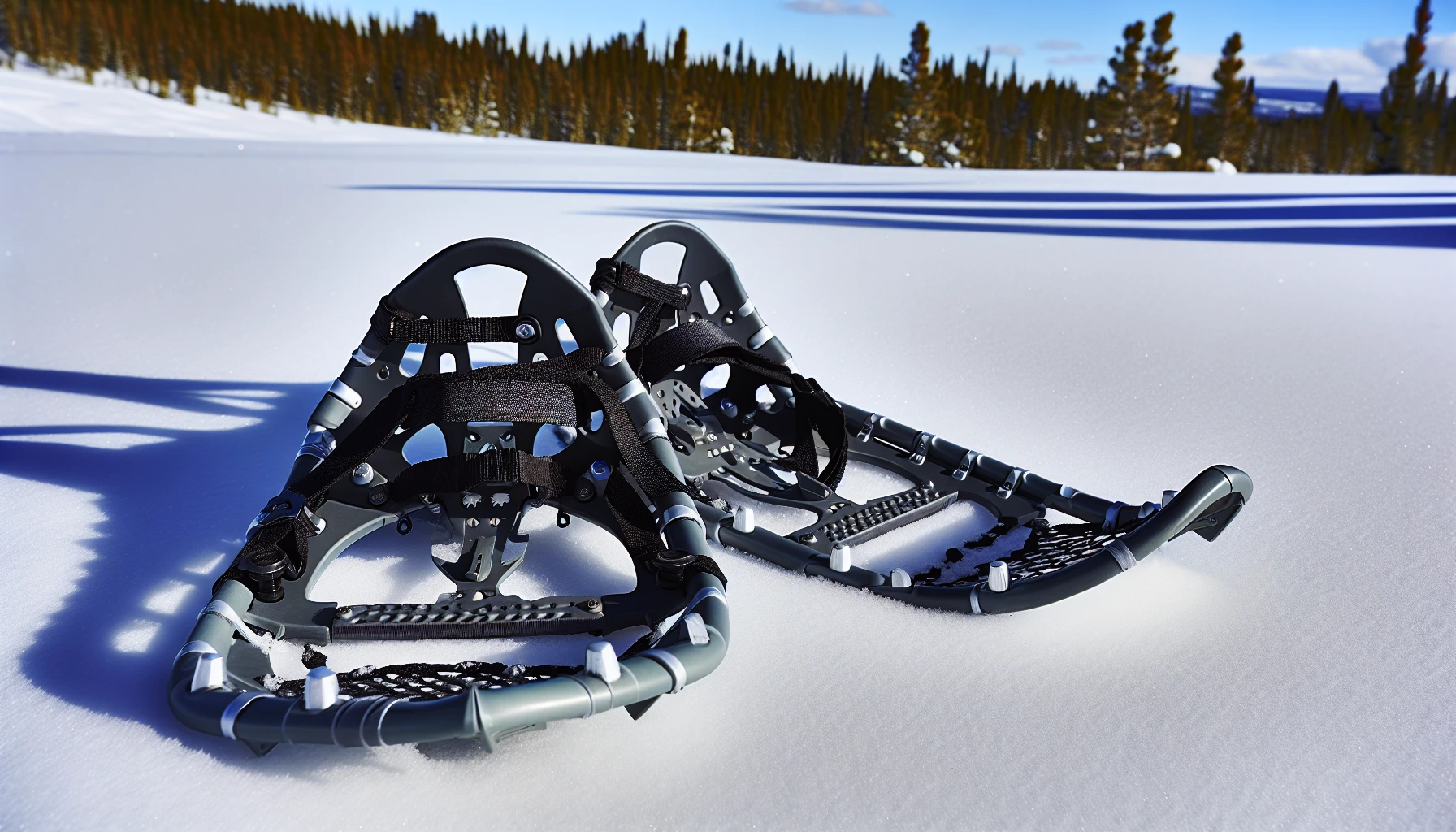
The right gear significantly impacts the success of your snowshoeing adventure. To start, you’ll need to understand the basics of snowshoe design, size, and bindings. These factors will determine how well your snowshoes perform on various terrains, whether you’re exploring groomed trails or venturing into the backcountry.
Next, we highlight the essentials of snowshoeing, discussing design components, the impact of size and shape on performance, and the role of bindings in comfort and security.
Understanding Snowshoe Design
Snowshoe design plays a significant role in the overall performance and comfort of your winter trail experience. The key components of snowshoe design include:
Flotation: prevents you from sinking into the snow, allowing you to navigate deep snow and flat terrain with ease.
Traction: provides grip and stability on various snowy and icy surfaces, ensuring safe and efficient travel.
Bindings: secure your boots to the snowshoe, providing a snug fit and optimal control.
Materials significantly influence the construction of snowshoes. Lightweight and durable materials like Hypalon, a rubbery type of nylon, are commonly used to offer strength and flexibility. Combined with well-designed bindings, these materials contribute to a secure and comfortable connection between you and your snowshoes, enhancing your overall experience.
Selecting the Right Size and Shape
The right size and shape of snowshoes significantly influence their performance on various terrains. The size of your snowshoes should be based on your body weight and the gear and clothing you’ll be wearing while snowshoeing. For example, lighter adult snowshoe users who weigh around 80-160 lbs should look for shoes that are around 21”-23” long. Remember, it’s better to go with a smaller size that can adequately support your weight.
The shape of your snowshoes also impacts their performance on various terrains. Here are some examples:
Oval-shaped snowshoes provide maximum flotation, making them perfect for deep snow and soft terrain.
Tapered snowshoes accommodate a natural stride and are great for packed trails and more maneuverable terrains.
Snowshoes designed for mountainous and icy terrain have more aggressive crampons and cleats for better traction.
The Role of Bindings
Bindings form a key component of your snowshoes as they firmly secure your boots to the snowshoe, providing a snug fit and optimal control across all snow environments. There are a variety of bindings on offer, ranging from elastic rubber to rigid snowboard binding style straps. Whatever your preference, you can find a binding to suit your needs. The design of snowshoe bindings greatly affects your overall experience, so it’s important to find a pair that offers a secure and comfortable fit, allowing you to walk with ease and stability.
Some snowshoes feature innovative binding systems like the BOA Fit System, which cinches the binding evenly across the front of the foot with a simple twist of a knob. Others, like the Atlas Montane, have easy-to-tighten straps and ratcheting back heel straps for perfect tension. Additionally, a rotating toe cord can be found in certain models, enhancing the overall experience. Evaluating the design and materials of bindings is key to ensuring a reliable and comfortable connection for your winter adventures.
Navigating Through Winter Terrains: Snowshoe Types Compared
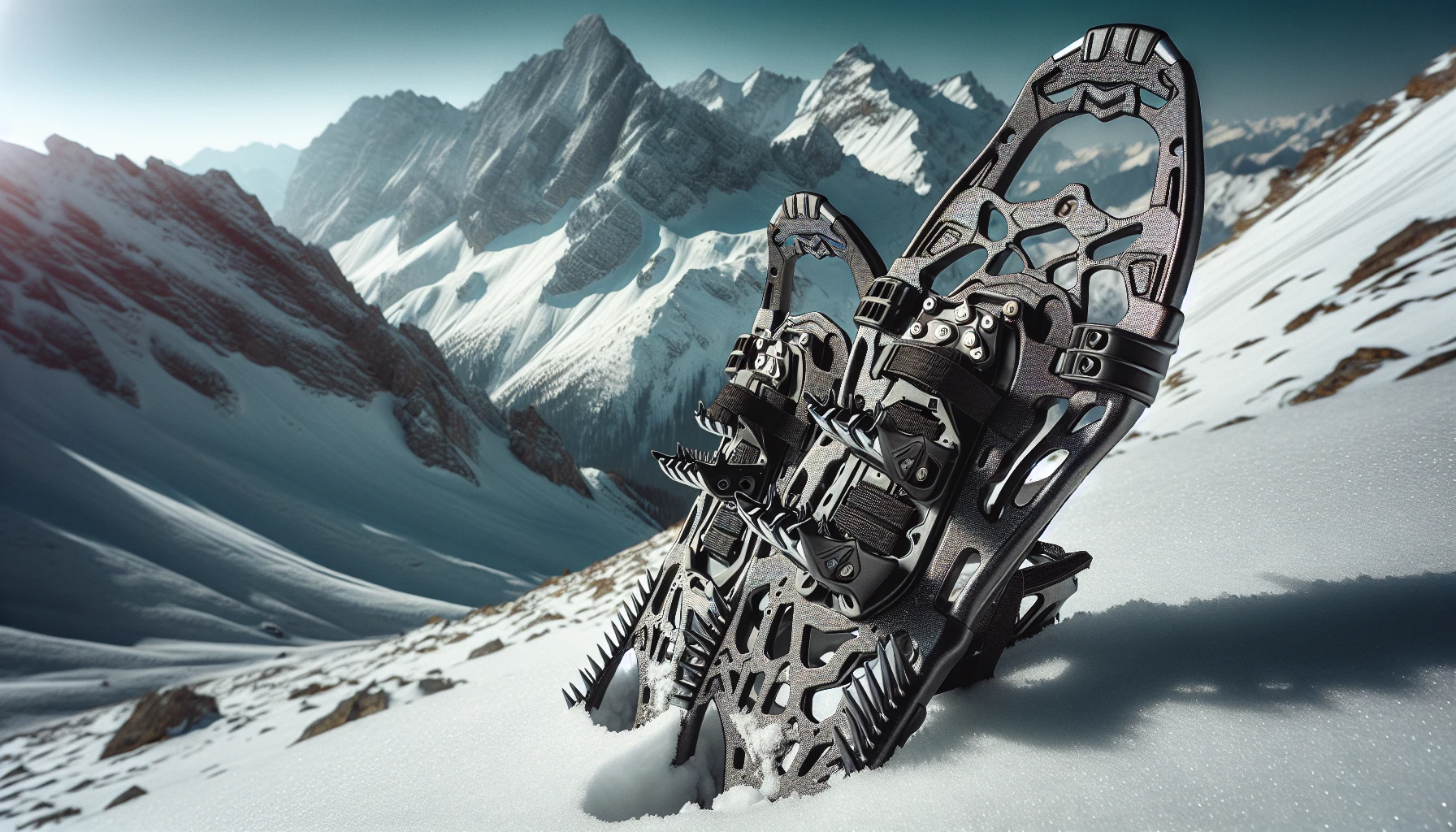
Given the numerous snowshoe options, considering the specific type of terrain you’ll explore is important. Different types of snowshoes are designed for specific winter terrains, such as backcountry adventures, groomed trails, and snow running. These specialized designs ensure optimal performance and safety on various surfaces, allowing you to enjoy your winter trail experience with confidence.
Next, we make comparisons between snowshoes designed for different terrains like backcountry adventures, groomed trails, and running on snow. This comparison should guide you in choosing the perfect pair for your winter escapades.
Best for Backcountry Adventures
For those who love venturing off the beaten path, backcountry snowshoes provide the ultimate combination of traction, flotation, and durability. Top snowshoe models for backcountry adventures include:
Crescent Moon Big Sky
MSR Lightning Ascent
MSR Evo Trail
Atlas Montane
Cascade Mountain Tech Alptrek Peak
Komperdell Peakmaster Pro
Retrospec
These snowshoes feature aggressive traction systems, such as braking bars, toe crampons, and steel crampons, providing forward traction, preventing backsliding, and ensuring stability on various surfaces, including snow and ice. Additionally, larger frames and flotation features help prevent sinking in deep snow, making these snowshoes ideal for rugged terrain and more demanding adventures.
Ideal for Groomed Trails
If you prefer leisurely winter walks on groomed trails, snowshoes designed for these conditions prioritize speed and efficiency. Top-rated snowshoes for groomed trails include MSR Lightning Ascent, Tubbs Flex VRT, and Atlas Helium Trail. These snowshoes are typically lighter with smaller frames, allowing for easier movement on packed snow.
Groomed trail snowshoes:
Feature basic traction systems for grip on packed snow
Ensure a smooth and enjoyable experience on well-maintained trails
May not offer the same level of flotation and aggressive traction as backcountry snowshoes
It’s essential to consider your intended terrain when selecting the right pair.
Snowshoes for Running on Snow
For those who enjoy running on snow, specialized snowshoes are designed with lightweight materials, responsive suspension, and specialized traction systems to enable a more natural running experience. Top-rated snowshoes for running on snow include:
MSR Lightning Ascent
Tubbs Flex VRT
Atlas Helium Trail
Atlas Run
Crescent Moon Gold 12
Luna Foam
Dion
Running snowshoes are typically shorter, narrower, and lighter than traditional snowshoes, sacrificing some flotation for a more comfortable and efficient running experience. They also feature innovative traction systems, such as small studs or spikes, ice cleats, or flexible traction devices that slip on over running shoes, providing a secure grip on various snow conditions.
Step Up Your Snowshoe Game: Advanced Features to Consider
As snowshoe technology advances, manufacturers include features to boost performance, comfort, and safety. We will look at some of these innovative elements like traction systems, ergonomic stride enhancements, and high-performance materials.
Understanding these key features helps you make better choices when selecting your snowshoes, promising a pleasant and worry-free winter trail experience. Let’s take a closer look at each of these innovative aspects in the following subsections.
Innovative Traction Systems
Cutting-edge traction systems provide exceptional grip and stability on various snow conditions and terrains. Some of the latest innovations in snowshoe traction systems include MSR’s snowshoe innovations and Crescent Moon’s all-foam snowshoes, which feature a combination of cleats and tire-like treads for maximum traction.
These innovative traction systems not only provide excellent traction, but also offer superior traction, improving grip on icy or slippery surfaces. They also enhance weight distribution and prevent slipping, especially on uneven terrains. By incorporating the latest advancements in traction technology, your snowshoes can offer a safer and more efficient experience on your winter adventures.
Ergonomic Stride Enhancements
Ergonomic stride enhancements are designed to provide a more natural and comfortable walking experience in snowshoes. These enhancements include:
Stride ergonomics for improved walking efficiency
Easy-to-use bindings for quick and secure attachment
Steel traction rails and teeth for better grip on icy terrain, aided by heel crampon
These features reduce strain on the legs and feet, allowing for a smoother and more efficient movement while snowshoeing.
By incorporating ergonomic stride enhancements in your snowshoes, you can enjoy longer and more comfortable snowshoeing adventures, reducing fatigue and enhancing your overall performance on the trails.
High-Performance Materials
High-performance materials significantly influence the construction of modern snowshoes. Lightweight and durable materials like Hypalon, a rubbery type of nylon, are commonly used to offer strength and flexibility. Combined with well-designed bindings, these materials contribute to a secure and comfortable connection between you and your snowshoes, enhancing your overall experience.
The durability of snowshoe materials directly affects performance, with durable materials such as aluminum frames and high-performance TPU plastic offering excellent strength-to-weight ratios, stiffness, and the ability to handle deeper snow and more demanding terrain. By choosing snowshoes made from high-performance materials, you can ensure a long-lasting and enjoyable winter trail experience.
Women’s Snowshoes: Tailored for Comfort and Performance
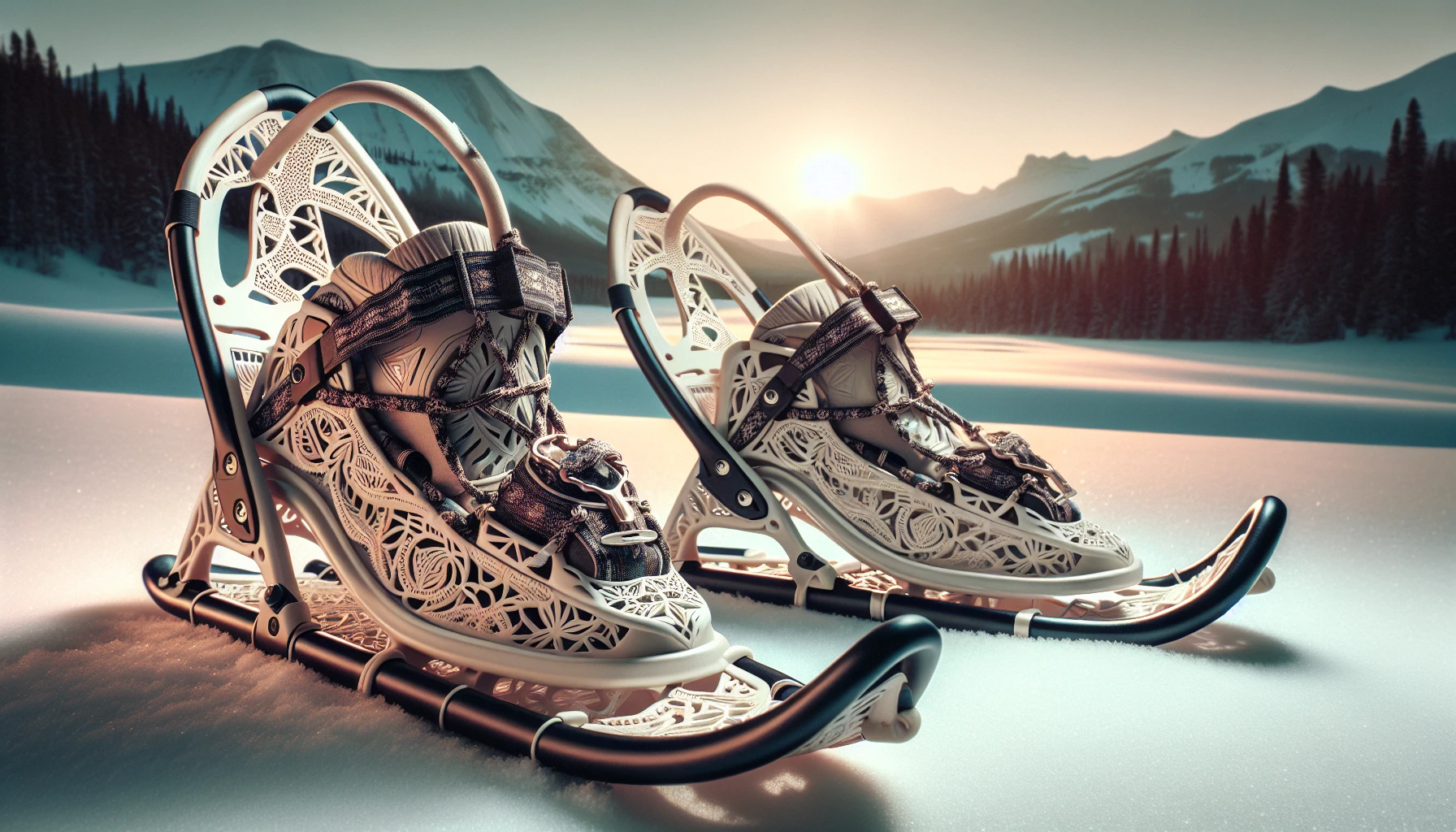
Snowshoe manufacturers acknowledge women’s unique needs and preferences for winter trail gear. Women’s snowshoes are designed with specialized fit, style, and accessory integration to provide a tailored winter trail experience.
We will examine the distinctive aspects of women’s snowshoes, such as specialized fit, the blend of style and functionality, and accessory integration. Understanding these features will assist women in finding the perfect pair of snowshoes to enhance their winter trail experience.
Specialized Fit for Women
Women’s snowshoes are designed to accommodate the unique shape and size of women’s feet for optimal comfort and performance. These snowshoes often feature narrower frames for greater agility and a more natural stride for those with a narrow gait. Additionally, women-specific models are designed with a smaller foot in mind, ensuring a better fit and improved comfort.
Women should consider snowshoes with adjustable bindings that accommodate a wide range of footwear and foot sizes, ensuring a secure and comfortable fit. By choosing snowshoes with a specialized fit, women can enjoy their winter trails with ease and comfort.
Style Meets Functionality
Style and functionality go hand in hand when it comes to women’s snowshoes. Manufacturers combine aesthetics and performance to create stylish yet functional designs that meet the needs of female snowshoers. The latest trends in women’s snowshoe designs include modern, practical designs made from composite plastic and thin frames, prioritizing ease of walking and various binding options for a comfortable fit.
By selecting snowshoes that offer both style and functionality, women can enjoy their winter adventures while looking and feeling their best.
Accessory Integration
Accessory integration in women’s snowshoes can enhance the winter hiking trail experience by providing additional functionality and convenience. Some common accessories include heel lifts, which provide stability and reduce fatigue on steep terrain, and traction systems to improve grip on icy or slippery surfaces.
Other integrated accessories include attachment points for gaiters or snowshoe skirts, providing added warmth and protection from the elements. By considering snowshoes with accessory integration, women can enjoy a more convenient and supportive winter trail experience.
Making the Most of Your Purchase: Care and Maintenance Tips
For a durable and enjoyable winter trail experience, proper care and maintenance of your snowshoes is vital. Regular cleaning, storage, and inspection of your snowshoes can help prolong their lifespan and keep them in top condition for your next winter adventure.
We will provide tips on snowshoe care and maintenance, including regular cleaning, storage, part inspection and replacement, and seasonal preparation.
Regular Cleaning and Storage
Regular cleaning and proper storage of your snowshoes are essential to keep them in top condition. To clean your snowshoes, follow these steps:
Use mild dish soap and water to wipe off the deck, frame, bindings, and straps.
You can also use a small brush or toothbrush for more thorough cleaning.
If your snowshoes are extremely dirty, you may need to use a hose or pressure washer.
After cleaning, store your snowshoes in a cool and dry area, such as a shelf in a shed, attic, garage, or basement. Avoid storing them in direct sunlight or moist areas where mold and mildew may form.
Inspecting and Replacing Parts
Regularly inspecting and replacing parts on your snowshoes is essential for optimal performance and safety. Common parts that need inspection include:
Metal teeth or crampons
Bindings
Decking
Frame
Pivot point
Replace any worn or damaged parts to ensure your snowshoes remain in great condition and ready for your next adventure.
By taking the time to inspect and replace parts as necessary, you can maintain the performance and safety of your snowshoes, providing you with a worry-free and enjoyable winter trail experience.
Seasonal Preparation
Preparing your snowshoes for the winter season is an important aspect of snowshoe maintenance. Before the season begins, perform pre-season checks, such as inspecting bindings for wear and tear, examining claws for damage, and waterproofing your snowshoes if necessary. By performing these seasonal preparations, you can ensure your snowshoes are ready for use in the winter months, allowing you to hit the trails with confidence.
Summary
In conclusion, snowshoeing is a thrilling way to explore the beauty of winter landscapes and enjoy the outdoors. By understanding the essentials of snowshoe design, selecting the right size and shape for your needs, and properly maintaining your gear, you can ensure a long-lasting and enjoyable winter trail experience. So, gear up and embrace the wonders of winter with your trusty snowshoes!
Frequently Asked Questions
What are the three types of snowshoes?
With three distinct types, snowshoes are sure to suit your needs no matter the terrain! Flat terrain snowshoes have a simple binding system and provide modest traction, making them ideal for beginners and casual users. Rolling terrain shoes can tackle more difficult surfaces with added stability while mountain terrain snowshoes offer more aggressive traction for tackling challenging terrain.
How do I know what size snowshoes to buy?
Deciding on the right size snowshoes is easy – just make sure you select a pair that matches your weight and the type of terrain you plan to tackle! With the proper fit, you’re all set for hours of snowy adventures.
What do you wear on your feet with snowshoes?
For the best snowshoeing experience, choose a pair of waterproof, insulated hiking boots that go above your ankle to keep the snow out. Wool synthetic socks will provide warmth, while Sorel or Kamik boots are also suitable.
Are snow shoes worth it?
Snowshoes are essential for winter hikes to higher elevations with heavy snowfall – they’ll keep you from sinking in deep powdery snow and will make your hikes much more enjoyable.
What factors should I consider when choosing the right size and shape of snowshoes?
When selecting snowshoes, take into account your body weight, shoe size, any equipment and clothing you will be wearing, and the terrain you will be trekking over. That way, you can make sure to pick the right size and shape for your needs!