
Winter is here, and it’s time to conquer the cold! As winter hikers know, having the right pair of boots can make all the difference between an enjoyable trek and a miserable, frosty experience. With so many options available, how do you choose the perfect boot for your frosty trails? Worry not! We’ve got you covered with our top 10 winter hiking boots that cater to a variety of needs and preferences.
Snapshot of Peak Performers
We’ve assembled a selection of the most effective winter hiking boots, including the best winter hiking boot for various features and benefits. Here are our top picks for the best winter hiking boots:
The North Face Chilkat 400 V: Offers excellent traction, making it a perfect fit for all outdoor activities.
Best Budget-Friendly Boot: Kamik Nation Plus
Best for Daily Wear: Blundstone 566 (Thermal)
Muck Boot Arctic Sport Mid: One of the best Slip-On shoes available. It offers both style and support, making it a great choice for any wardrobe.
Best Ankle Support: KEEN Revel IV Mid Polar Boot
Best Classic Style: L.L.Bean Leather Snow Boots
Best Versatility: XTRATUF 6″ Deck Ankle Boot
Best Insulated Zip-Up: Danner Arctic 600
Best for Moderate Climates: Merrell Thermo Chill
Best for Sub-Zero Adventures: Baffin Impact
Best Overall Traction – The North Face Chilkat 400 V
Price: $150
Specifications:
Full-grain leather upper
Molded TPU shell
Waterproof membrane
Surface Control sole
400-gram Heatseeker Eco insulation
D-ring gaiter attachments
Heel clip
Pros:
Excellent grip and traction
Comfortable fit
Durable and long-lasting
Suitable for various winter conditions
Cons:
Bulkiness may inhibit movement
400-gram insulation may be excessive for mild days or dry conditions
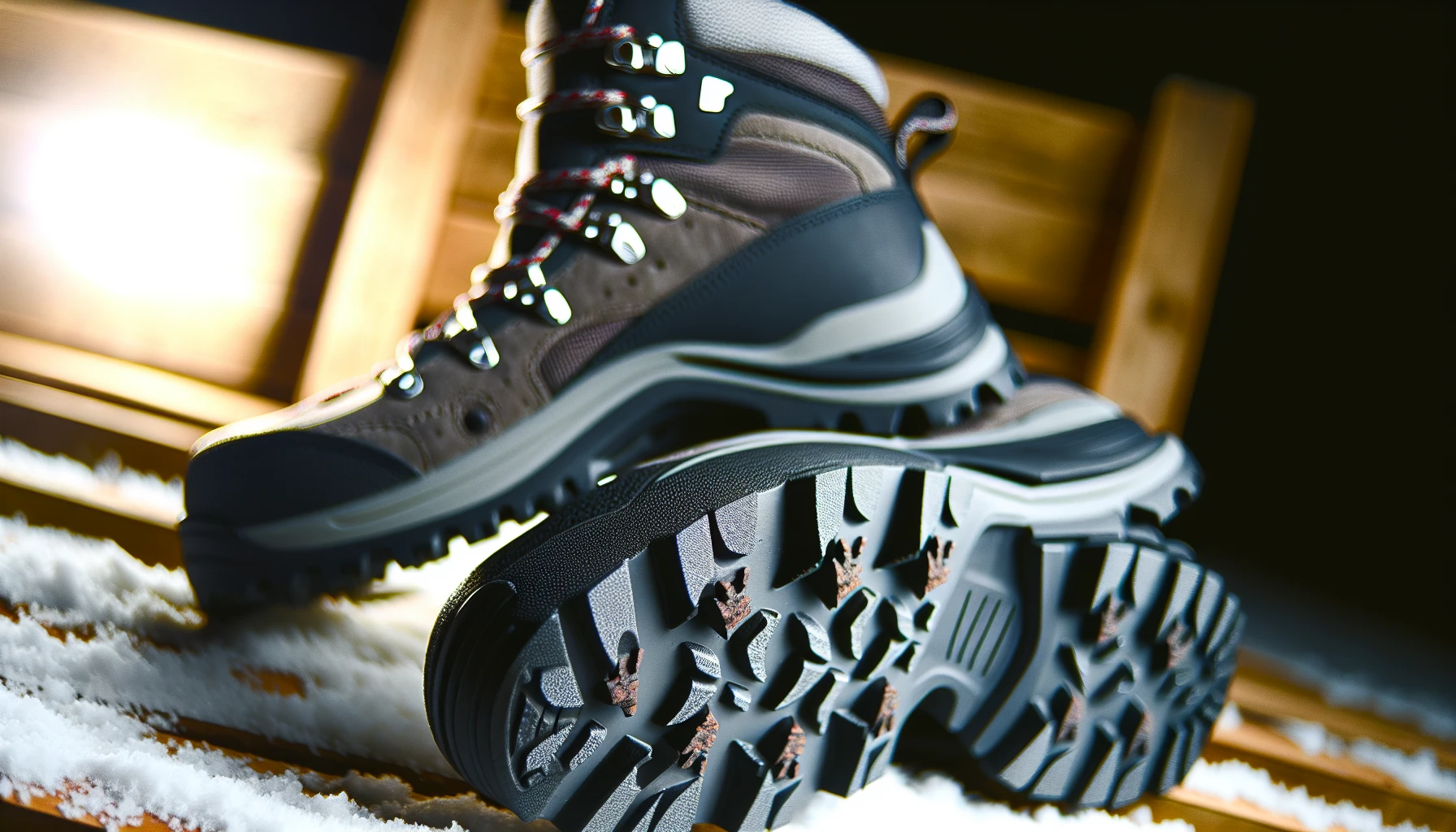
The North Face Chilkat 400 V stands out for its superior traction. This boot offers a fantastic grip on icy surfaces thanks to its Surface Control sole. I’ve found it to be comfortable and well-fitting, making my winter hikes more enjoyable and less strenuous. With a durable full-grain leather upper and a molded TPU shell, this boot can withstand tough winter conditions.
However, there’s a trade-off. The Chilkat 400 V is slightly bulky, and its 400-gram insulation may be too warm for mild days or dry conditions. Nonetheless, if you’re looking for the best overall traction in a winter hiking boot, the Chilkat 400 V is an excellent option.
Rating:
Warmth: 7.0
Weather Protection: 8.0
Comfort & Fit: 8.0
Traction: 9.0
Durability: 8.0
Best Budget-Friendly Boot – Kamik Nation Plus
Price: $85
Specifications:
Robust leather upper
Thick rubber outsole
Waterproof protection
Traditional construction
Pros:
Affordable
Classic design
Suitable for deep winter conditions
Cons:
Materials may not meet the warmest winter boot standards
Long-term durability issues reported
Looser fit due to removable liner
The Kamik Nation Plus offers an affordable yet high-performance option for those in search of a winter hiking boot. Its features include:
Robust leather upper
Thick rubber outsole for waterproof protection
Suitable for deep winter conditions
Classic design
These features add to the appeal of this boot.
One thing to keep in mind is that the materials used in the Kamik Nation Plus may not meet the standards of the warmest winter boot. Some users have reported long-term durability issues, and the removable liner might provide a looser fit than other models, making it difficult to cinch down. However, for an affordable, rugged, and versatile option, the Kamik Nation Plus is worth considering.
Rating:
Warmth: 6.5
Weather Protection: 7.5
Comfort & Fit: 6.0
Traction: 7.0
Durability: 6.0
Best for Daily Wear – Blundstone 566 (Thermal)
Price: $250
Specifications:
Waterproof leather upper
Thinsulate lining
Sheepskin-lined footbed
Pros:
Stylish and comfortable
Suitable for everyday wear
Waterproof
Cons:
Pricey
Not suitable for extreme cold or deep snow
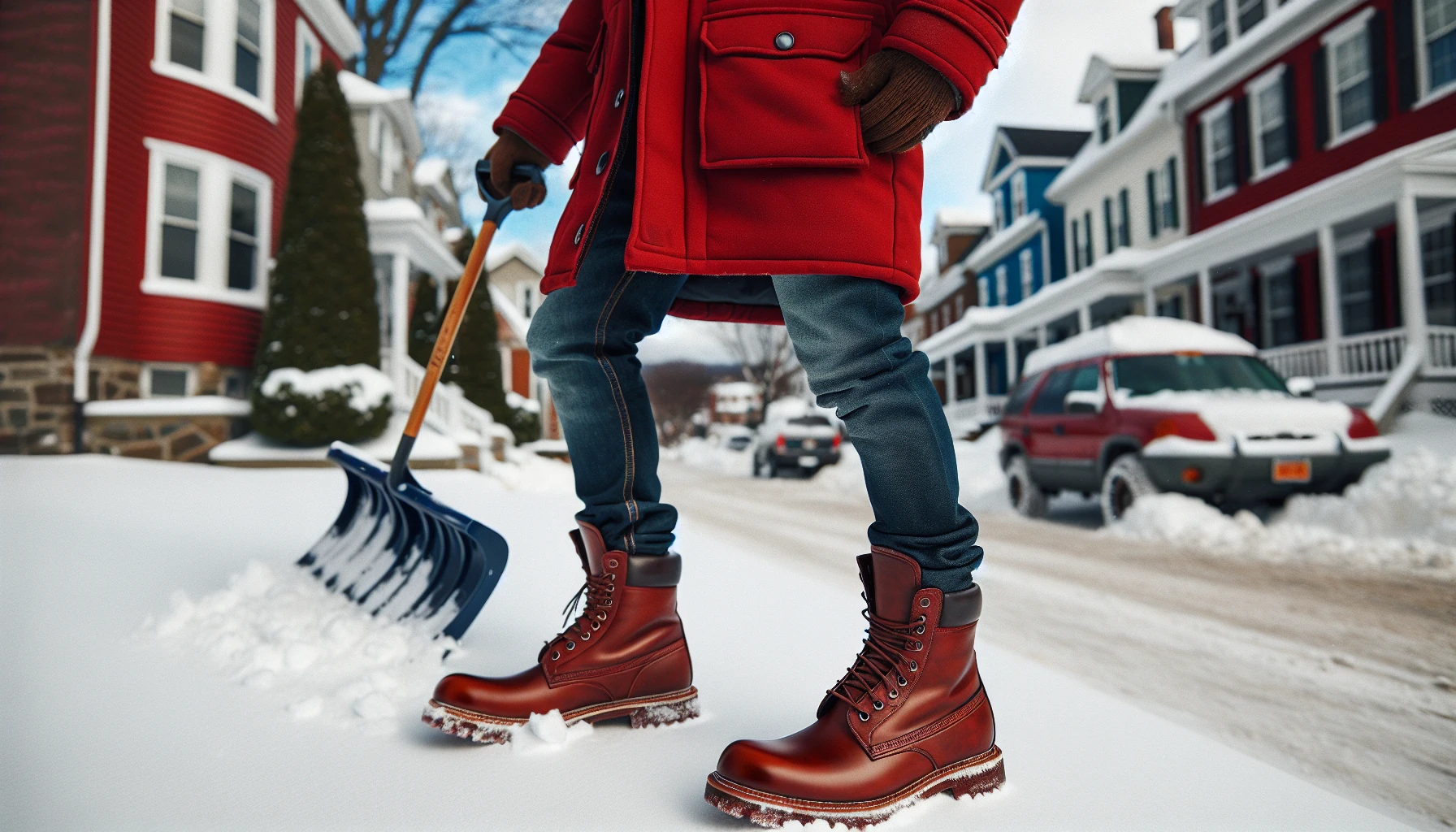
For individuals seeking a winter boot that combines style and comfort for daily use, the Blundstone 566 (Thermal) is an excellent choice.
Waterproof leather upper
Warm Thinsulate lining
Perfect for winter outings and daily use
Sheepskin-lined footbed for added comfort and coziness
However, the Blundstone 566 (Thermal) might not be the best option for extreme cold or deep snow. It’s also on the pricey side, with a $250 price tag. But if you’re looking for a fashionable and comfortable deep winter boot that can effortlessly transition from daily wear to winter hikes, the Blundstone 566 (Thermal) is a top choice.
Rating:
Warmth: 7.0
Weather Protection: 8.0
Comfort & Fit: 8.5
Traction: 6.5
Durability: 7.0
Best Slip-On – Muck Boot
Price: $160
Specifications:
Durable rubber rain boot exterior
Thick, flexible neoprene bootie
Soft-touch fleece lining
Pros:
Weather resistant
Easy to put on and take off
Durable
Cons:
Not as comfortable as other options
Expensive
Could provide more warmth
The Muck Boot Arctic Sport Mid stands out as a premier slip-on winter hiking boot. Its features include:
Durable rubber exterior
Thick, flexible neoprene bootie for excellent protection against harsh weather conditions
Soft-touch fleece lining for added warmth and comfort
While these boots are weather-resistant and easy to put on and take off, they may not be as comfortable as other options on the list. Their price is also on the higher side, and they could provide more warmth. Nonetheless, if you’re looking for a durable and warm slip-on boot for winter hikes, the Muck Boot Arctic Sport Mid is a solid choice.
Rating:
Warmth: 7.5
Weather Protection: 9.0
Comfort & Fit: 6.5
Traction: 8.0
Durability: 8.5
Best Ankle Support – KEEN Revel IV Mid Polar Boot
Price: $190
Specifications:
Robust 5 mm outsole
Additional toe space for insulation
Pros:
Great ankle support
Comfortable for long hikes
Suitable for cold weather
Cons:
Limited color options
Pricey
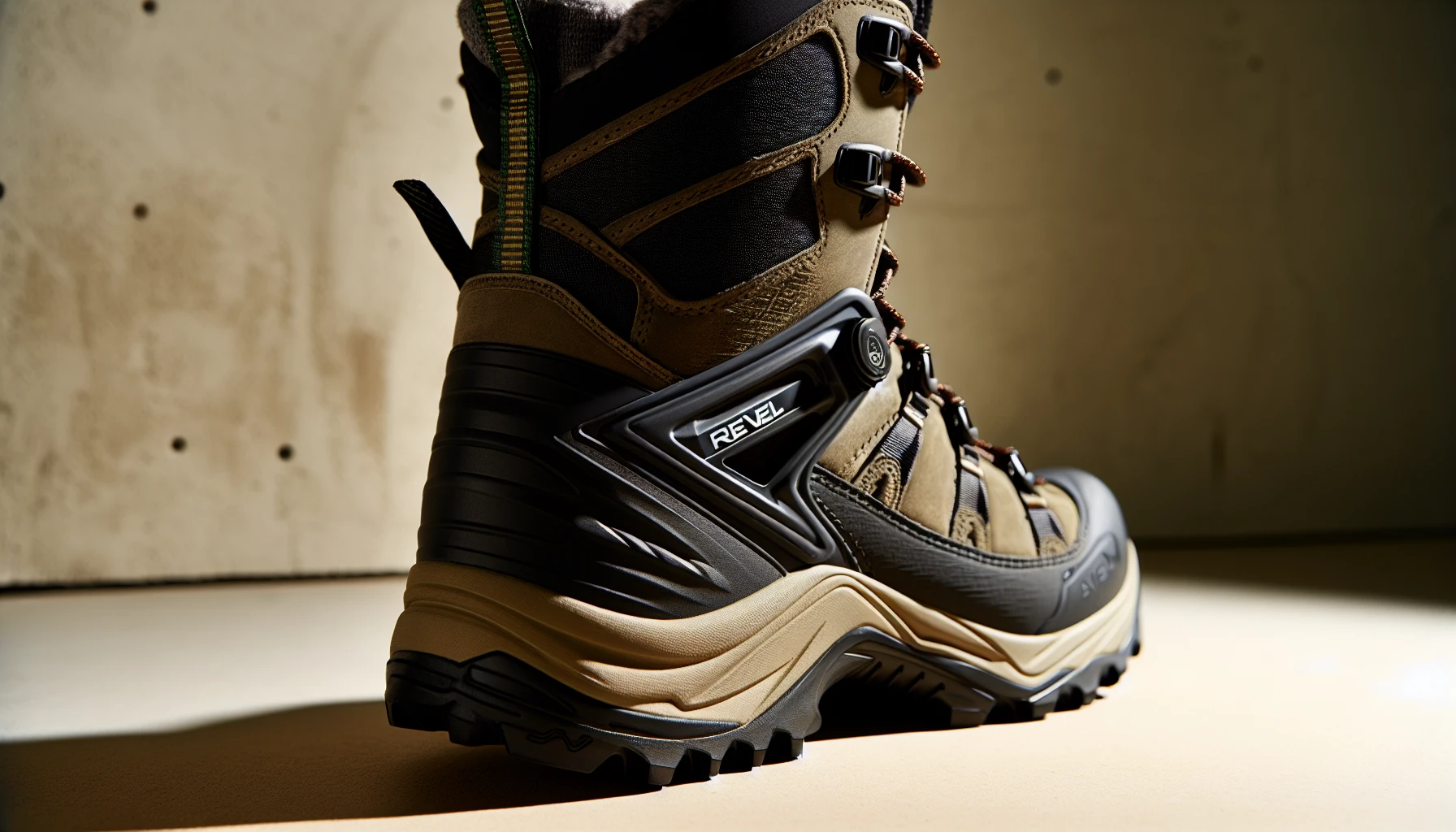
The KEEN Revel IV Mid Polar Boot features:
Superior ankle support
Robust 5 mm outsole
Additional toe space for insulation
Comfortable interior
Well-structured footbed
These qualities make it ideal for long winter hikes in cold weather, ensuring your feet remain snug and protected, keeping your feet warm throughout your trek.
The Revel IV Mid Polar Boot does have its drawbacks, such as limited color options and a higher price point. However, if ankle support is a top priority for your winter hiking adventures, the KEEN Revel IV Mid Polar Boot is an excellent choice.
Rating:
Warmth: 7.5
Weather Protection: 8.5
Comfort & Fit: 8.0
Traction: 7.0
Durability: 7.5
Best Classic Style – L.L.Bean Leather Snow Boots
Price: $159 Specifications:
Tumbled leather upper
Removable felt with faux fleece liner
Waterproof rubber shell with seam-sealed construction
Pros:
Timeless design
Warm and weather-resistant
Durable and long-lasting
Cons:
Not designed for submersion in water
May be too warm for mild conditions
The L.L.Bean Leather Snow Boots are the perfect choice for those in search of a winter hiking boot with a classic style. These leather hiking boots combine casual and performance features with a timeless design, making them a top choice for winter hikers who appreciate a classic look. The tumbled leather upper and removable felt liner with faux fleece provide warmth and weather resistance.
While these boots offer excellent performance and appeal, keep in mind that they are not designed to stay submerged in water. They may also be too warm for mild winter conditions. Regardless, if you’re looking for a classic style winter hiking boot that offers durability and reliable performance, the L.L.Bean Leather Snow Boots are a great option.
Rating:
Warmth: 8.0
Weather Protection: 8.5
Comfort & Fit: 7.5
Traction: 7.0
Durability: 8.0
Best Versatility – XTRATUF 6″ Deck Ankle Boot
Price: $99.99
Specifications:
Waterproof neoprene material
Slip-resistant outsole
Cushioned insole for comfort
Pros:
Durable and waterproof
Great traction on wet surfaces
Comfortable for extended wear
Cons:
Ankle height may not provide enough coverage for deep snow
Perfect for an array of outdoor activities including fishing and hiking, the XTRATUF 6″ Deck Ankle Boot is both durable and waterproof. Its features include:
Neoprene material that offers excellent protection against water and other liquids
Slip-resistant outsole that ensures stability and traction on wet surfaces
Cushioned insole that provides all-day comfort
These leather boots are a pleasure to wear during extended outdoor adventures.
One drawback of these boots is their ankle height, which may not provide enough coverage for deep snow. Nonetheless, if you’re looking for a versatile winter boot that can handle a variety of outdoor activities, the XTRATUF 6″ Deck Ankle Boot is a top choice.
Rating:
Warmth: 7.0
Weather Protection: 8.0
Comfort & Fit: 8.0
Traction: 9.0
Durability: 7.5
Best Insulated Zip-Up – Danner Arctic 600
Price: $180
Specifications:
200-gram PrimaLoft insulation
Vibram’s Arctic Grip outsole
Exposed wool on collar and tongue
Side-zip for easy access
Pros:
Excellent insulation
Attractive design with side zipper
Great traction on snow and ice
Cons:
Expensive
May not be suitable for deep snow
With 200-gram PrimaLoft insulation and a practical side zipper, the Danner Arctic 600 is a winter-ready hiking boot. This insulated zip-up boot is perfect for those who want a mix of performance and style for their winter hikes. Its Vibram’s Arctic Grip outsole offers unparalleled grip on icy surfaces, making it an excellent choice for winter hikers who need reliable traction. In comparison to other winter hiking boots, the Danner Arctic 600 stands out for its unique combination of features.
While the Arctic 600 offers warmth and style, it comes with a hefty price tag. Additionally, its relatively low shaft height may make it less suitable for deep snow. However, if you’re looking for an insulated zip-up boot that provides warmth, style, and performance, the Danner Arctic 600 is worth considering.
Rating:
Warmth: 8.0
Weather Protection: 8.5
Comfort & Fit: 7.5
Traction: 9.0
Durability: 7.5
Best for Moderate Climates – Merrell Thermo Chill
Price: $130
Specifications:
200-gram insulation
Wraparound outsole for moisture protection
Compression molded EVA midsole
Molded nylon arch shank for stability and comfort
5 mm lugs for good traction on snow
Pros:
Lightweight and comfortable
Good warmth and weather resistance
Suitable for mild and moderate winter conditions
Cons:
Not suitable for extreme cold
May not provide enough support for heavier loads
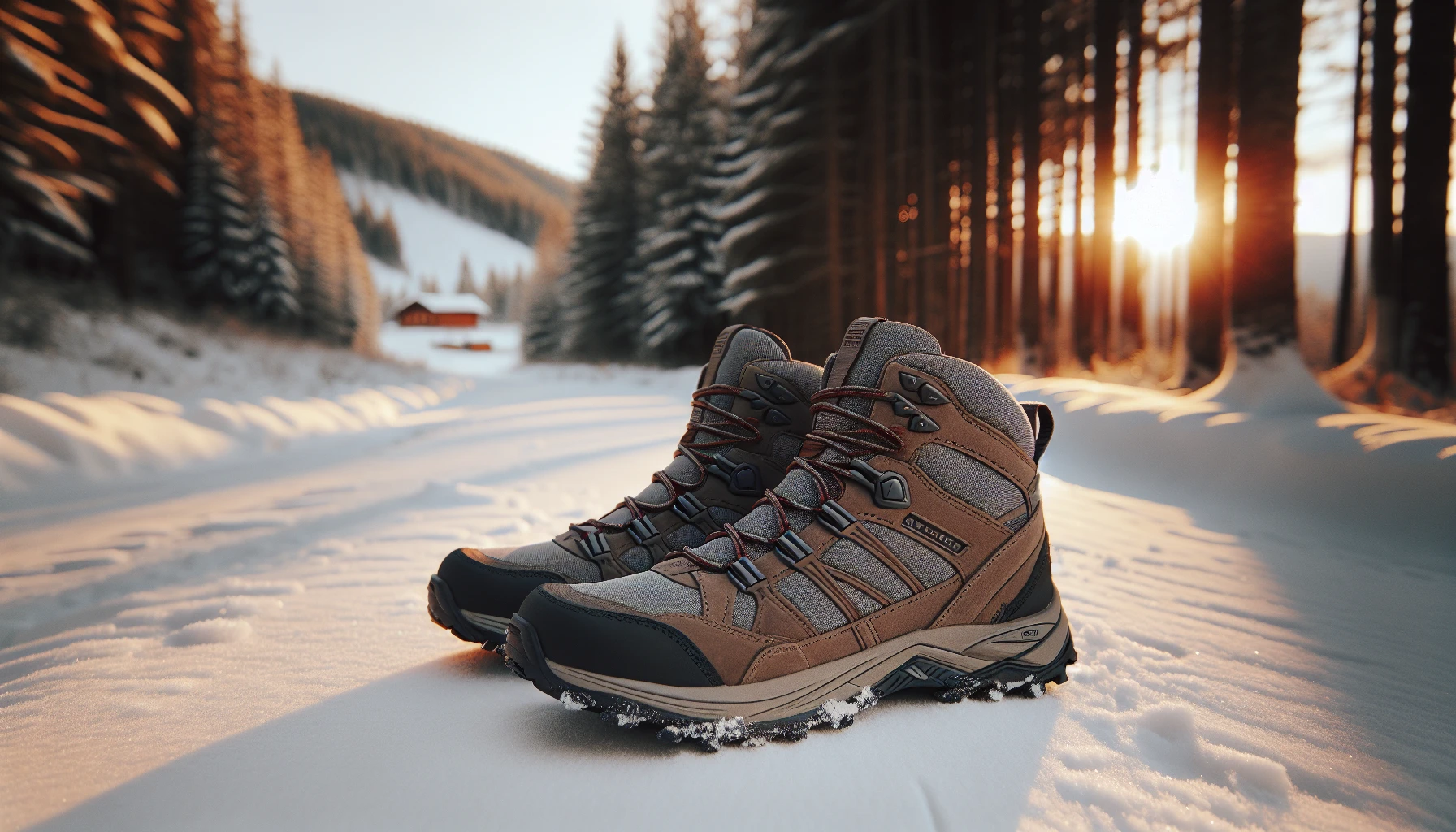
Designed for milder winter conditions, the Merrell Thermo Chill is a winter hiking boot that is both lightweight and comfortable. It offers:
200-gram insulation
Wraparound outsole for moisture protection
Great warmth and weather resistance for most mild and moderate winter conditions
Very comfortable to wear, especially for long distances
Great fit
However, the Merrell Thermo Chill may not be suitable for extreme cold or carrying heavier loads, as it may not provide enough support. Overall, if you’re looking for a lightweight and comfortable boot for moderate winter climates, the Merrell Thermo Chill is an excellent choice.
Rating:
Warmth: 7.0
Weather Protection: 7.5
Comfort & Fit: 8.5
Traction: 7.5
Durability: 7.0
Best for Sub-Zero Adventures – Baffin Impact
Price: $215
Specifications:
Eight-layer system of foam and polyester insulation
Burly nylon and rubber shell
Rated to -148°F
Pros:
Designed for extreme cold temperatures
Superior warmth
Durable construction
Cons:
Bulky and unwieldy
Not suitable for mild winter weather
Lacks breathability
If you’re tackling sub-zero adventures, the Baffin Impact is the boot for you. Designed for extreme cold temperatures, this boot is rated to withstand a bone-chilling -148°F. Its eight-layer system of foam and polyester insulation, encased in a burly nylon and rubber shell, ensures your feet stay warm even in the most frigid conditions.
The drawbacks of the Baffin Impact are its bulkiness and unwieldiness, which may not be suitable for all users. Additionally, this boot is not designed for mild winter weather and lacks breathability. However, if you’re in need of a winter boot for sub-zero adventures, the Baffin Impact is a top contender.
Rating:
Warmth: 9.5
Weather Protection: 9.0
Comfort & Fit: 6.5
Traction: 7.5
Durability: 7.5
Essentials of Choosing Winter Hiking Boots
Choosing the perfect winter hiking boots might appear overwhelming. However, by focusing on essential factors, you can locate the perfect pair to suit your needs and preferences. One crucial aspect to consider is waterproofness. Winter boots should keep your feet dry in wet conditions, as wet feet can quickly lead to cold, uncomfortable hikes.
Insulation is another vital factor to consider. Different insulation types, such as:
synthetic
felt
sheepskin
wool
offer varying levels of warmth and protection from the cold. Be sure to choose a boot with the appropriate insulation for the temperatures you’ll be facing during your winter hikes.
Comfort is also essential. A well-fitting boot should accommodate thick socks and provide enough room for your toes to move freely, preventing cold toes and discomfort on long hikes. It’s important to have your foot measured by an expert and be prepared to size up in many cases to ensure optimal comfort.
Lastly, consider compatibility with traction aids, such as Yaktrax and MICROspikes. These devices can be affixed to the bottom of winter boots for improved grip on icy and hardpack surfaces, providing you with increased safety and stability during your winter hikes.
Understanding Boot Insulation
Insulation plays a key role in winter hiking boots. The type of insulation used in a boot will determine its warmth and overall performance in cold conditions. The most prevalent types of insulation utilized in winter boots are:
Synthetic
Felt
Sheepskin
Wool
Each type of insulation has its own benefits and drawbacks, so it’s essential to choose the right insulation for your needs.
Synthetic insulation, for example, is lightweight, quick-drying, and resistant to compression, making it a popular choice for many winter boots. On the other hand, felt insulation offers excellent warmth and is often removable for easy drying but may not be as lightweight or quick-drying as synthetic options.
Ultimately, the warmth of a winter boot will depend on several factors, including sock thickness, activity level, and individual cold tolerance. While temperature ratings provided by manufacturers can serve as useful guides, the actual comfort of a pair of boots will always be a more reliable indicator of warmth than the manufacturer’s rating.
Navigating Through Traction Technology
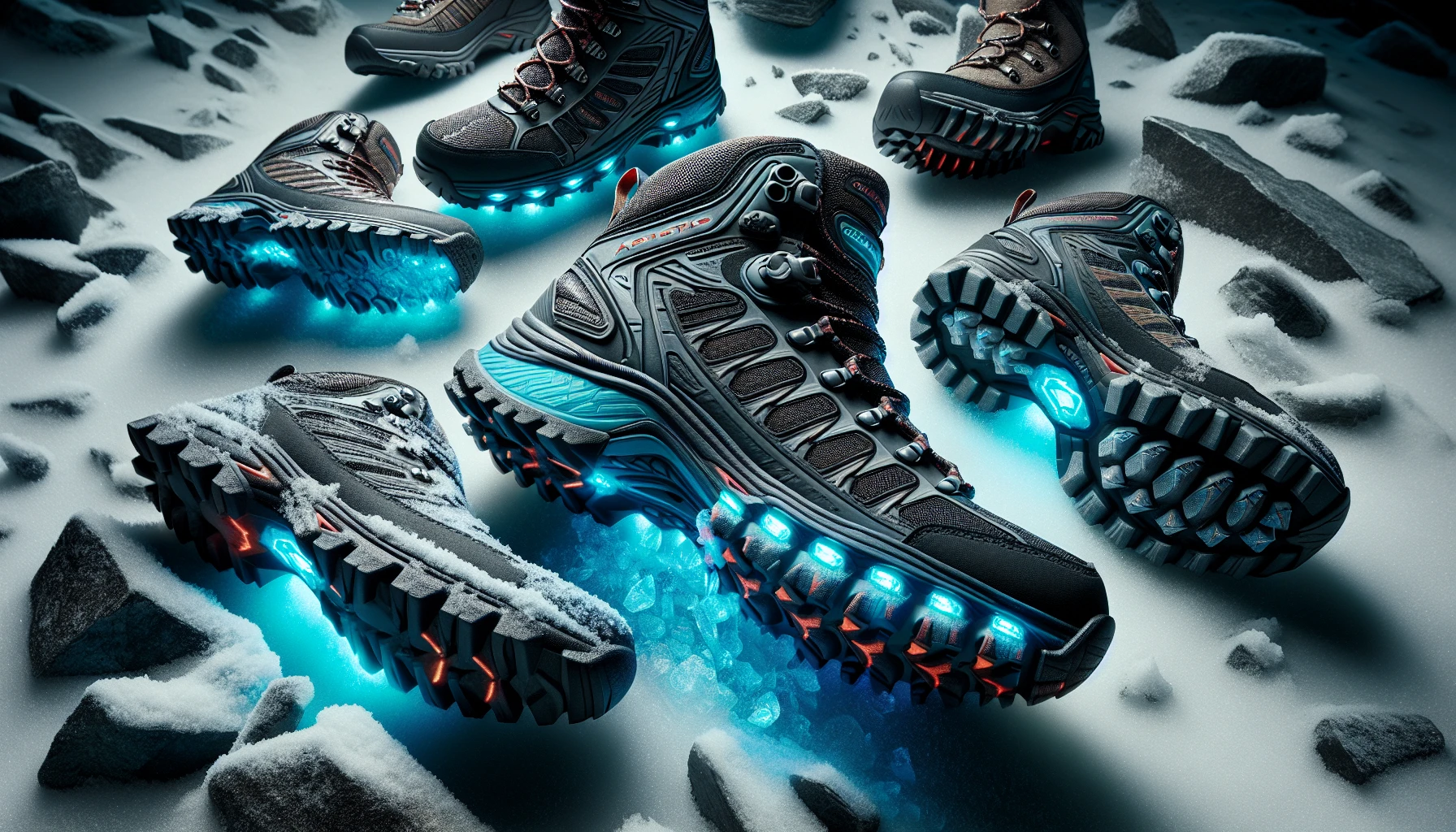
When choosing winter hiking boots, traction is an important factor to keep in mind. Snow and ice-specific rubber outsoles, such as Vibram’s Arctic Grip, provide unparalleled grip in icy conditions, ensuring you stay safe and secure during your winter hikes.
In addition to specialized outsoles, there are various traction devices available that can enhance your winter boots’ grip on icy and hardpack surfaces. These devices, such as Yaktrax and MICROspikes, incorporate metal components that are designed to dig into ice, increasing traction.
When choosing winter hiking boots, it’s essential to consider the type of traction technology that best suits your needs. Whether you opt for a specialized outsole like Vibram’s Arctic Grip or invest in additional traction devices, ensuring your boots have optimal grip on icy surfaces will make your winter hiking adventures safer and more enjoyable.
Summary
In conclusion, finding the perfect winter hiking boot is all about understanding your needs and preferences. From insulation and waterproofness to traction technology and ankle support, there are various factors to consider. We hope our top 10 winter hiking boots list and guide have provided you with valuable insights to help you make an informed decision. Now it’s time to gear up and conquer the cold!
Frequently Asked Questions
Can hiking boots be used for winter?
Hiking boots can be used for winter, provided they offer good insulation, traction, and waterproofing. If the snow is too deep, investing in a pair of dedicated snow boots is advisable.
Are insulated hiking boots worth it?
Insulated hiking boots are worth it if you will be spending a longer period of time outside in cold temperatures, like winter hiking or shoveling snow. They provide extra warmth which is more important than waterproofing in colder climates.
What is the most important factor to consider when choosing winter hiking boots?
When selecting winter hiking boots, it is essential to ensure they provide adequate insulation, waterproofness, and traction for warmth, dryness, and stability on icy surfaces.
What types of insulation are commonly used in winter hiking boots?
Synthetic, felt, sheepskin and wool are the most common types of insulation used in winter hiking boots, each providing its own benefits and drawbacks depending on the requirements.
How do I determine the correct size for my winter hiking boots?
To ensure a comfortable fit, have your foot measured by an expert and size up if necessary to accommodate thick socks. Your toes should be able to move freely inside the boot.