
Imagine a night under the stars, gently swaying above the ground, wrapped in the cozy embrace of your hammock. Hammock camping offers an unparalleled experience, combining the allure of nature with the comfort of sleeping above uneven terrain. Whether you’re a seasoned camper or new to outdoor adventures, mastering hammock camping will elevate your outdoor experiences and open up a world of unique sleeping arrangements.
In this guide, we’ll cover everything you need to know about hammock camping, from essential gear to setting up your hammock, dealing with bugs and wildlife, and ensuring a comfortable and safe sleep experience. So, are you ready to take your camping adventures to new heights?
Key Takeaways
-
Essential camping gear and finding the perfect spot are key for a successful hammock camping experience.
-
Protect trees & environment by selecting healthy trees, using tree friendly straps, and following Leave No Trace principles.
-
Master your setup with height, angle & sag to stay warm & dry while avoiding bugs/wildlife – all for a peaceful night’s rest!
Essential Hammock Camping Gear
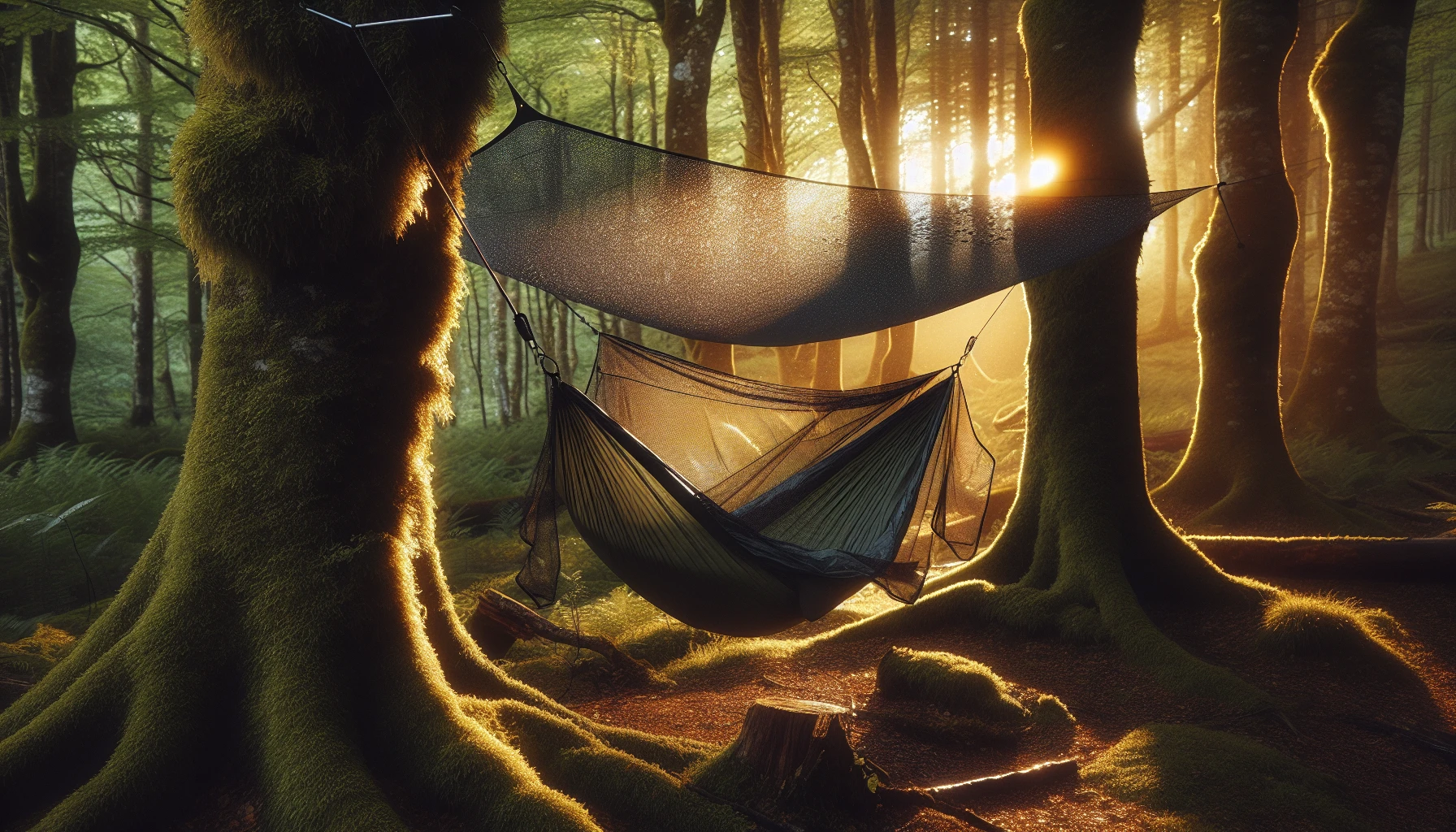
Starting your hammock camping adventure requires suitable equipment. Essential items include:
-
Camping hammock
-
Suspension system
-
Tree-friendly straps
-
Underquilt
-
Top quilt
-
Rain tarp
-
Bug net
-
Pillow
Remember, the key to a successful experience for hammock campers lies in selecting gear, such as a sleeping bag, based on comfort, compatibility, and weight.
Length, weight, and durability are important factors to consider when choosing a camping hammock. Hammocks are a popular choice for backpackers and bikebackers due to their lightweight and compact nature. Accessories such as a pillow and ridgeline organizer can further enhance your comfort and convenience during your hammock camping adventures.
Choosing the Perfect Spot for Your Hammock
Finding the perfect location to hang your hammock is key to a safe and pleasant experience. Consider the following factors when choosing your campsite:
-
Tree health: Look for sturdy trees such as maple and oak.
-
Distance from water sources: Avoid hanging your hammock too close to rivers or lakes, as water levels can rise unexpectedly.
-
Potential hazards: Check for any potential hazards such as dead branches or unstable trees.
-
Spacing: Ensure that the trees are spaced appropriately for your hammock setup.
By considering these factors, you can find the ideal location for hanging your hammock.
Be cautious when setting up near rivers or streams, as insect nests may be present in the riparian zone.
Protecting Trees and the Environment
Preserving nature is a responsibility we all share, and this includes being mindful of our impact while hammock camping. Tree-friendly straps are essential for protecting tree bark from damage caused by hammock setups on tree trunks, which could weaken trees and cause decay over time. Following Leave No Trace principles, such as camping on durable terrain and respecting wildlife, will further minimize your environmental impact.
When selecting two trees to hang your hammock, opt for healthy trees with a diameter of at least 6 inches to minimize tree stress. Proper attachment of your hammock to the trees, at the appropriate height and angle, will ensure both your safety and the well-being of the trees. Consider the other tree options in the area to make the best choice for your hammock setup.
Mastering Hammock Setup: Height, Angle, and Sag
A proper hammock setup is all about finding the right balance between height, angle, and sag. Achieving the perfect hammock sag not only makes setup a breeze but also ensures a comfortable and stable sleep experience that adapts to your body’s needs.
We’ll examine these setup elements in more detail to assist you in creating an exceptional hammock retreat.
Height Considerations
Hammock height depends on the distance between trees and personal preference. A good starting point is around 6 feet off the ground, which allows for easy adjustments based on your specific setup and comfort needs. Factors such as tree distance and individual height also play a role in determining the optimal hammock height.
While adjusting your hammock’s height, be careful not to harm any plants or terrain under the hammock. Aim for a height of about 18 inches from the ground – similar to the average height of a chair – for a comfortable and accessible sleeping experience.
Finding the Ideal Hammock Angle
An optimal hammock angle ensures a comfortable and secure suspension system. The ideal hammock angle is around 30 degrees, which evenly distributes weight and minimizes stress on the hammock and suspension system. To achieve this angle, use a suspension system that allows for easy adjustments, such as daisy-chain systems, whoopie sling suspensions, or tree straps with multiple adjustment points.
Visual aids and images can assist in determining the ideal 30-degree angle for your hammock setup. Keep in mind, determining the correct angle is key to a pleasant, supportive, and enjoyable hammock camping experience.
Achieving the Perfect Hammock Sag
The optimal hammock sag offers several advantages, including improved sleep quality and easier setup. Aim for a wide U shape or a smiling face for optimal comfort and stability. One common mistake is pulling the hammock too tight, which can reduce comfort and stability. Instead, find the right balance of tension and depth by allowing for a slight sag.
Using accessories such as tarps, hammock straps, and bug nets can help you achieve the perfect hammock sag. These tools can enhance your hammock camping setup, making it even more enjoyable and comfortable.
Staying Warm and Dry: Insulation and Weather Protection
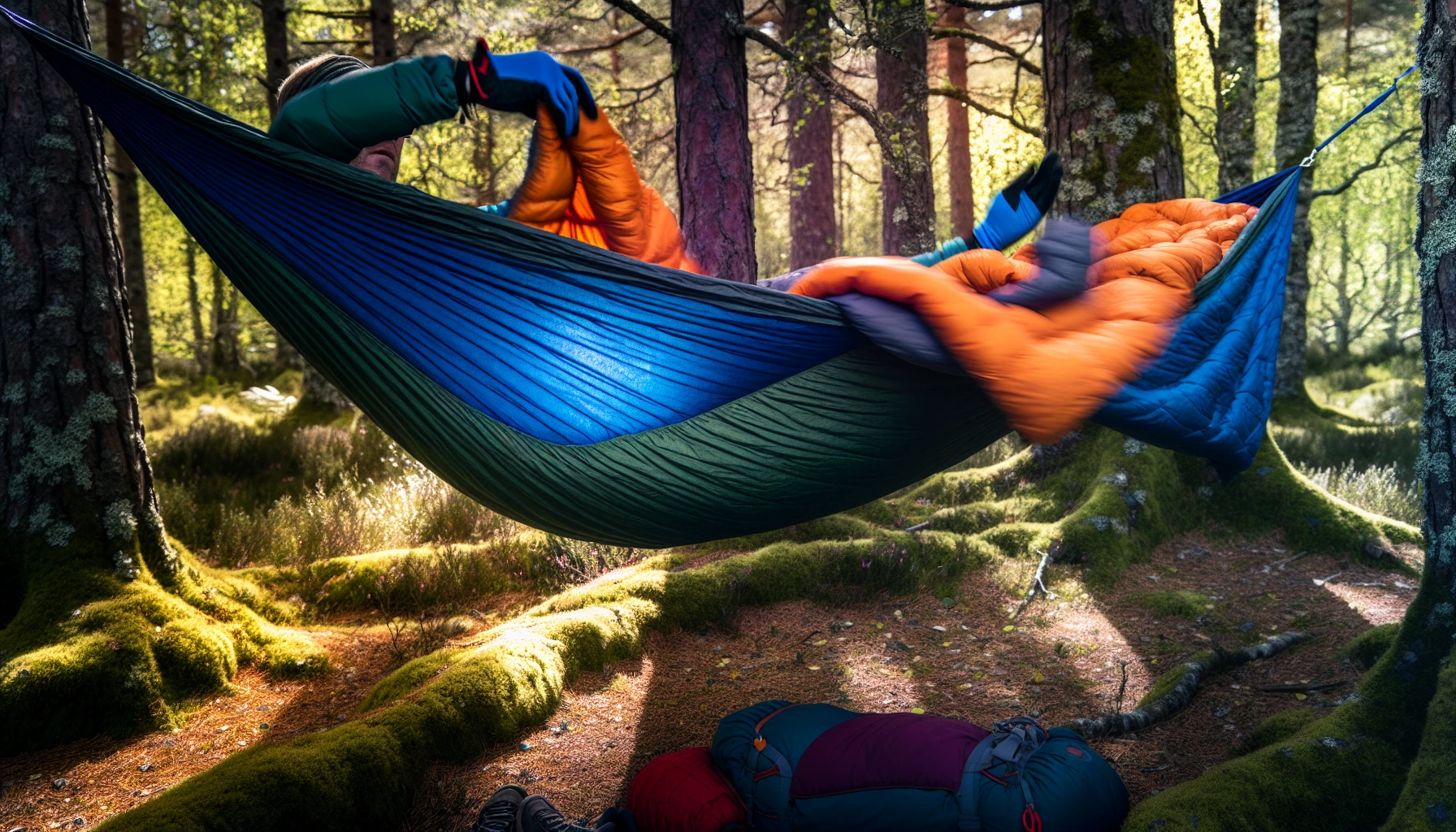
Having a warm and dry sleep is key for a successful hammock camping trip. To stay warm, use an underquilt or sleeping pad for insulation, which can help combat the cold butt theory – the idea that you’ll get chilly without proper insulation underneath you while sleeping in a hammock. For weather protection, set up a rain tarp above your hammock to shield you from rain, wind, and other elements.
Drip lines can also help keep you dry by preventing water from seeping into your hammock. Attach a drip line to the suspension line above your hammock to redirect rainwater away, ensuring a dry and comfortable sleep experience.
Dealing with Bugs and Wildlife
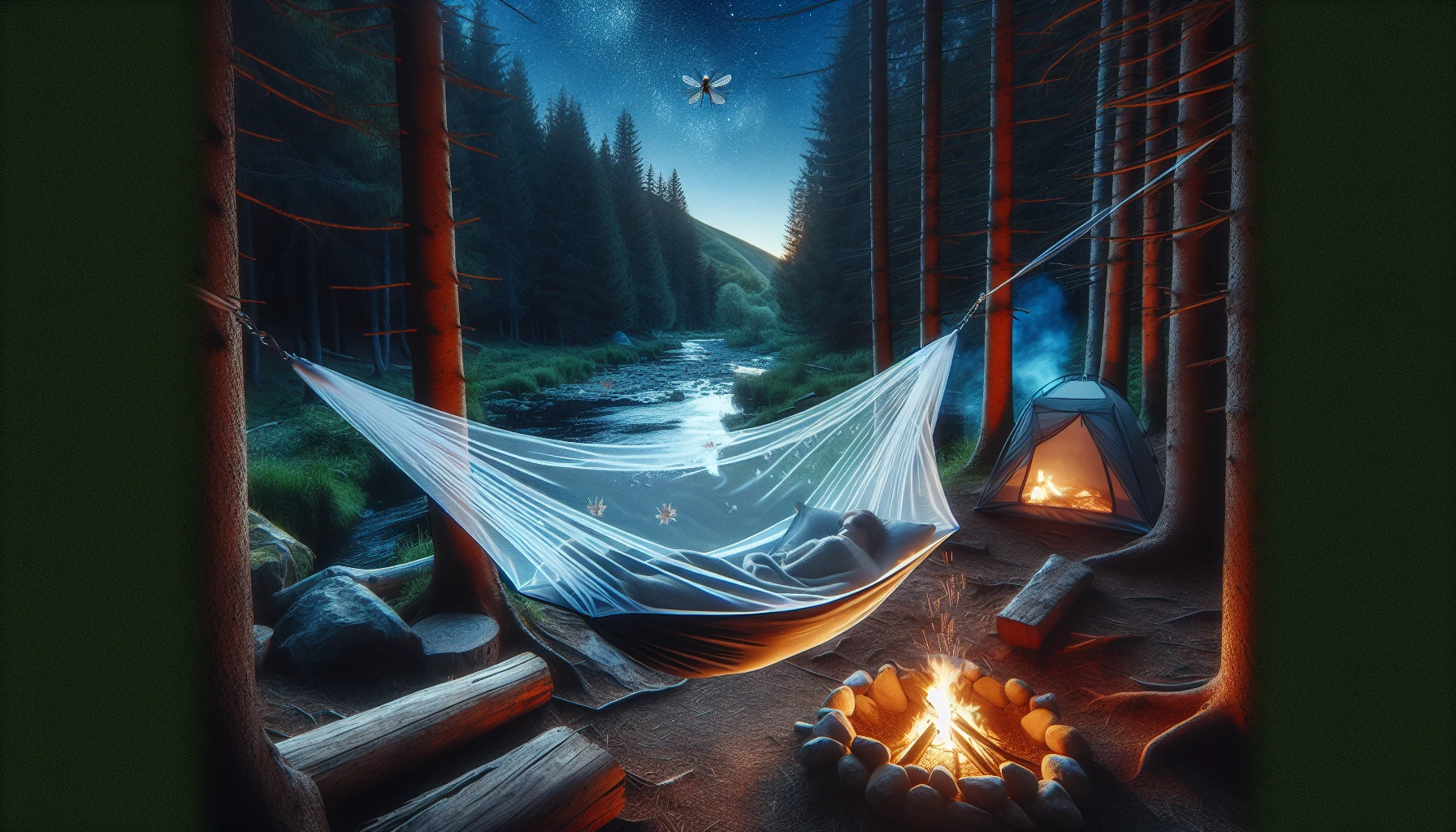
The beauty of nature includes its multitude of insects and wildlife. To protect yourself from pesky bugs, use a hammock with built-in mosquito netting, which offers excellent protection from mosquitoes and other insects. Attaching a bug net to your hammock is simple, and there are various styles to choose from, such as zippered, bottom-entry, or integrated bug nets.
When choosing a hammock camp spot, be aware of potential hazards such as dead trees, poisonous plants, and wild animals. Opt for an area with minimal ground cover to reduce the risk of insect nests and avoid areas with high wildlife activity. By taking precautions, you can enjoy a bug-free and safe hammock camping experience.
Sleeping Comfortably in a Hammock
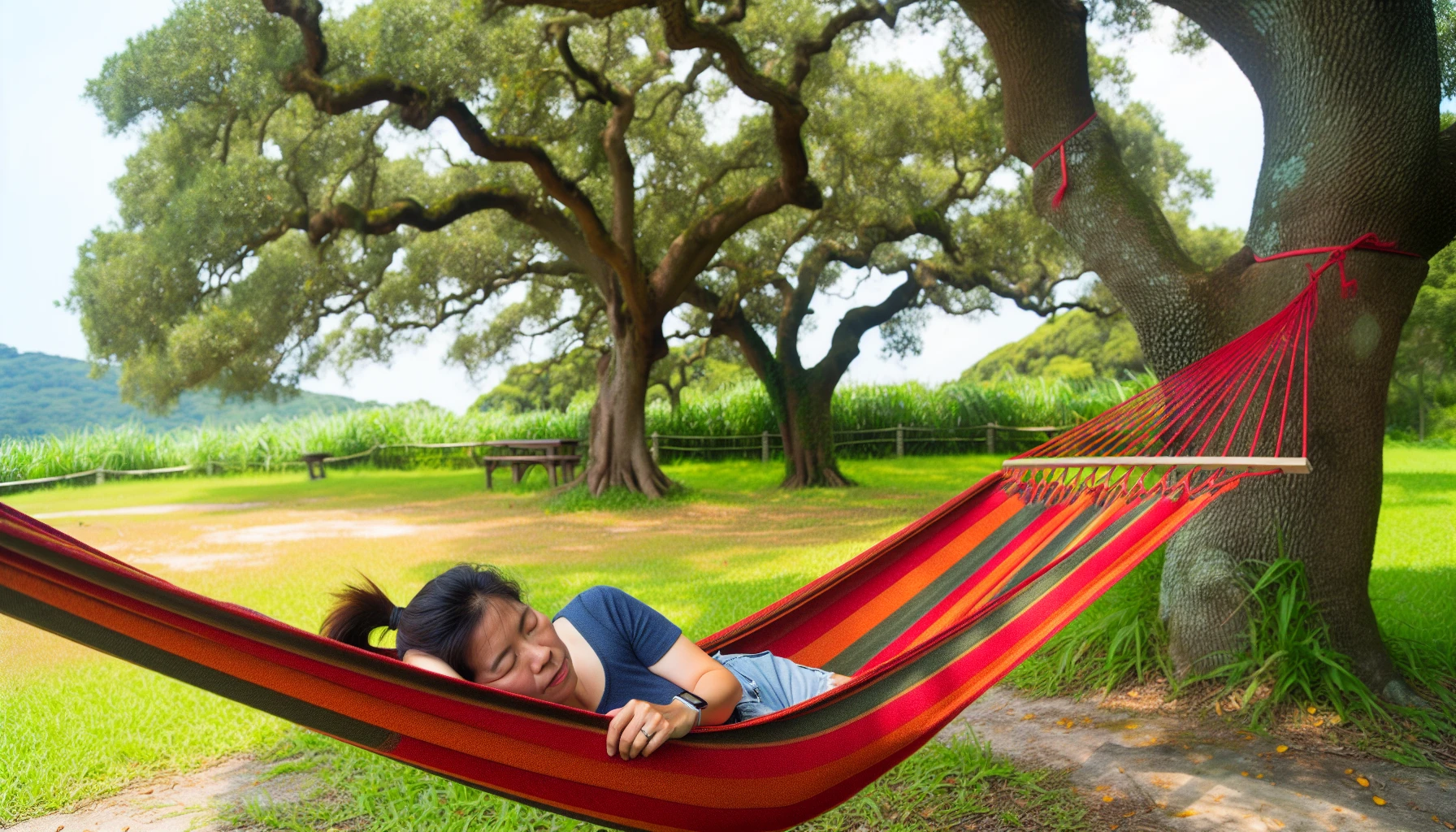
Getting a good night’s sleep in a hammock is easier than you might think. To maximize comfort, follow these tips:
-
Lie diagonally in the hammock, or even better, sleep diagonally.
-
Adjust the foot end slightly higher to relieve ankle strain and leg hyperextension, and to provide a flatter sleeping position.
-
Pay attention to the perfect hammock setup, including the sag, angle, and height, as it greatly influences your comfort while sleeping.
Following these suggestions and tailoring your hammock setup to your individual preferences can result in a peaceful and comfortable sleep, elevated from the ground, away from rocks, roots, and uneven terrain.
Hammock Camping Safety Tips
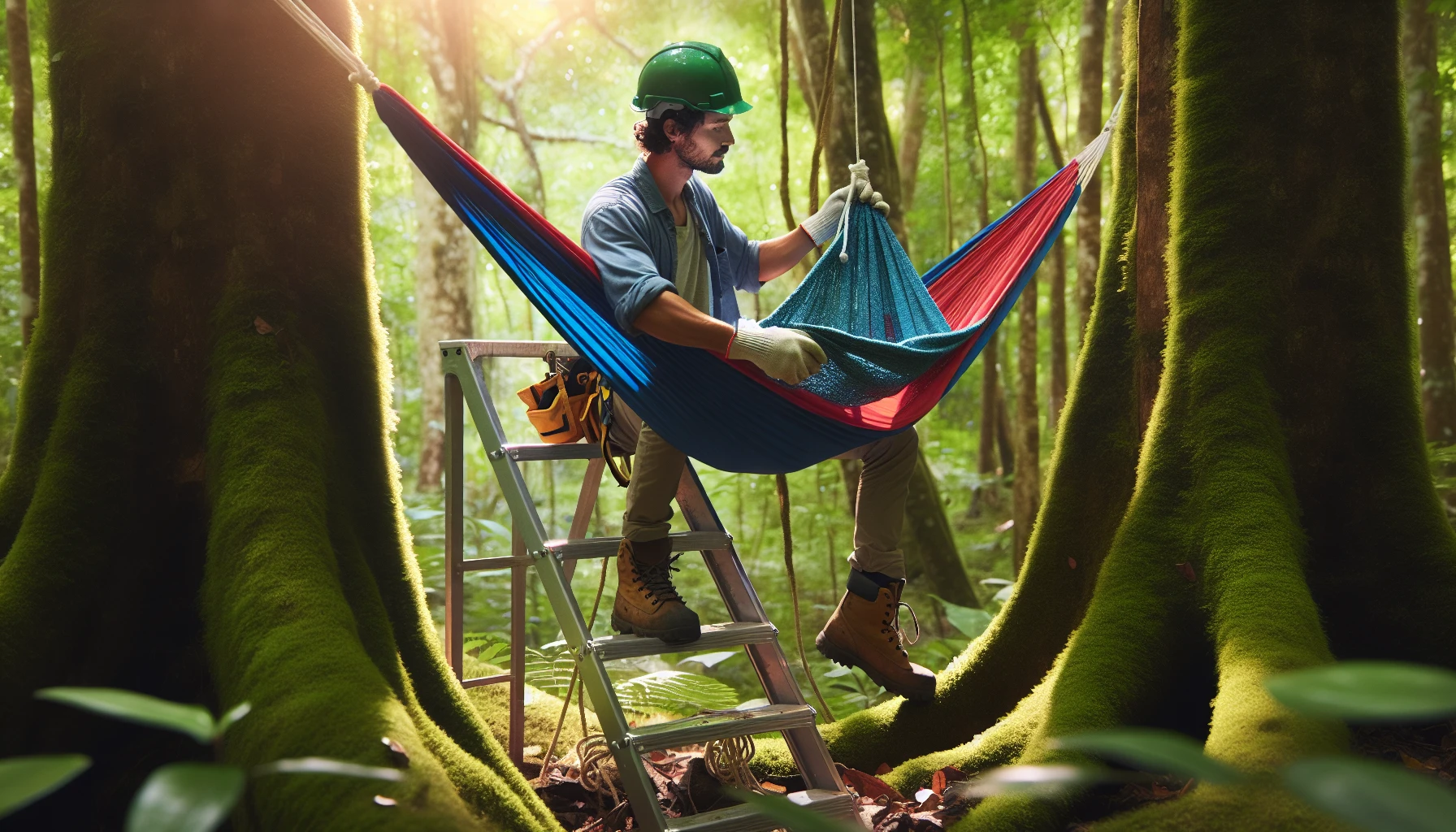
Prioritizing safety is always important during hammock camping. Avoid hanging your hammock from dead trees, as they may not be strong enough to support your weight and could break or fall, causing harm or damage. Hang your hammock at a safe height of around 18 inches from the ground, which provides easy access and reduces the risk of injury.
Using drip lines to prevent water seepage can also contribute to a safer hammock camping experience, as they help keep your hammock dry and reduce the risk of slipping or falling. Lastly, break down your hammock when not in use to prevent animals and small children from getting tangled in it.
Summary
Hammock camping offers a unique and enjoyable way to experience the great outdoors. By mastering the art of hammock setup, choosing the perfect spot, and equipping yourself with the right gear, you can elevate your camping adventures and sleep comfortably above the ground. So, why not give hammock camping a try and discover the joys of swaying under the stars?
Frequently Asked Questions
Is it OK to sleep in a hammock while camping?
Sleeping in a hammock while camping can provide comfort and a deeper, more enjoyable sleeping experience, making it an OK activity.
Are camping hammocks worth it?
Camping hammocks are definitely worth it, given their practical applications, lightweight portability, easy setup, and the comfortable vantage point they provide. Plus, they spare campers the discomfort of sleeping on rocky or sloped terrain.
What are the disadvantages of hammock camping?
Camping in a hammock can be uncomfortable and unstable, especially in windy or rainy conditions. It also limits how much gear you can take with you, as there isn’t the same storage space as in a tent. Additionally, some places may not have suitable trees for setting up a hammock, making it impossible to use.
What is the proper way to set up a hammock?
To properly and safely set up a hammock, measure the distance between two desired trees, tether both ropes, hook the hammock in, climb into the hammock, exit the hammock, teardown, and ensure a 30-degree strap angle between the strap and the ground. Hang the hammock so it’s no more than 18” off the ground for best comfort.
What essential gear do I need for hammock camping?
You’ll need a camping hammock, suspension system, straps, underquilt, top quilt, rain tarp, bug net, and pillow for your hammock camping setup. All these items are essential to keeping you comfortable, safe and dry in the great outdoors!