
Embarking on a trek in the Himalayas presents a unique set of challenges and rewards. This guide offers a no-nonsense introduction to everything from selecting the perfect trail to understanding the most favorable times for trekking in the Himalayas. Get essential advice on acclimatizing, training, staying safe, and respecting the local culture, all while preparing for the unforgettable experiences that await in these towering peaks.
Key Takeaways
-
The Himalayas offer a diverse range of trekking routes, from the iconic Everest Base Camp to the culturally rich Upper Mustang, each with unique experiences, challenges, and majestic views.
-
The best times to trek in the Himalayas are during the spring and autumn for favorable weather, but off-peak seasons like winter and monsoon provide distinct advantages such as less crowded trails and unique scenery.
-
It’s essential to choose between teahouse and camping treks based on personal preference, with teahouse treks offering cultural interactions and camping treks allowing for a close-to-nature experience.
Top Himalayan Treks to Explore
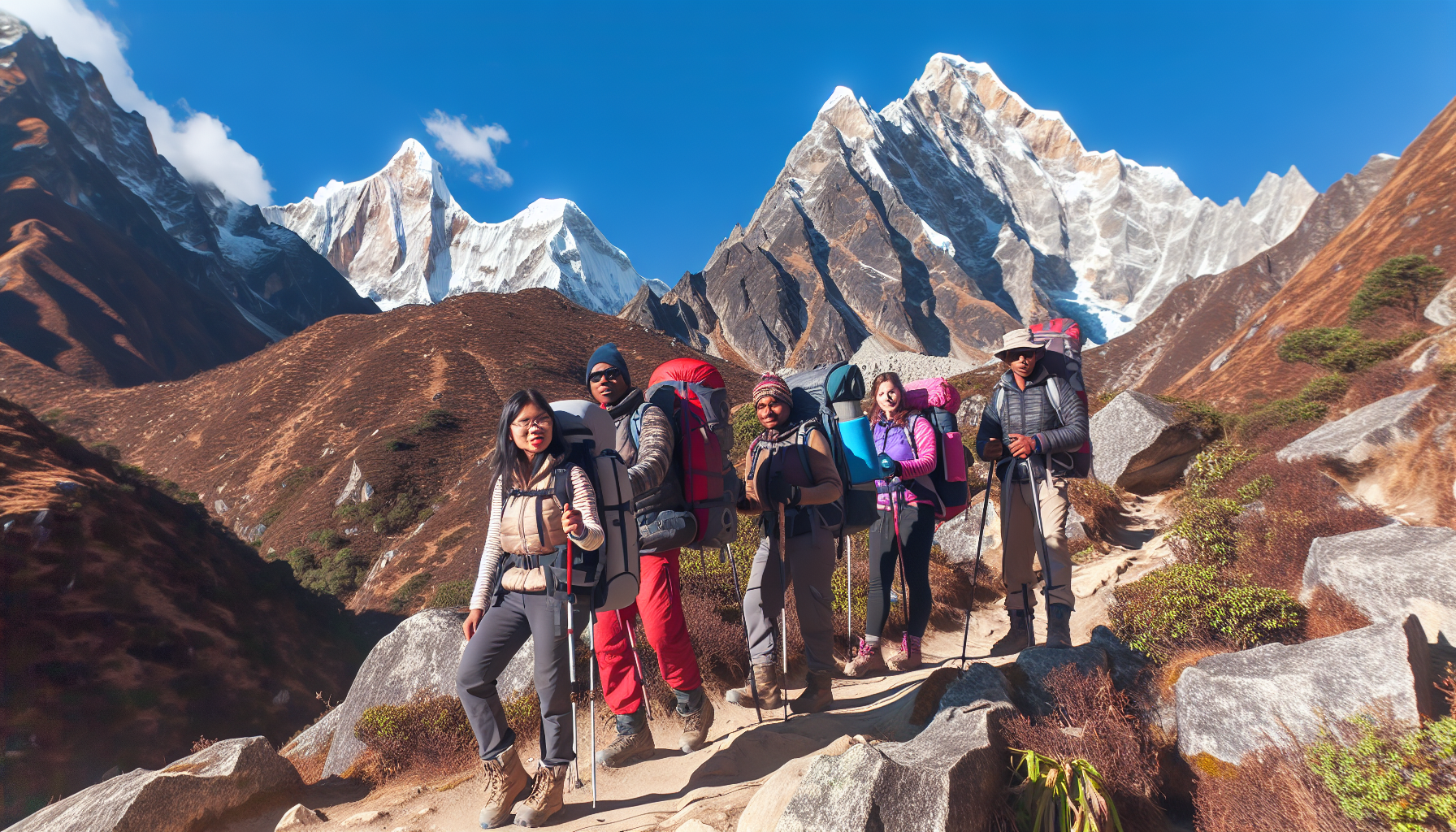
The Himalayas are home to a multitude of scenic trekking routes, each providing unique experiences and stunning views. Some popular options include:
-
Everest Base Camp Trek: renowned for its historical significance and remarkable views of Everest, Lhotse, and Lhotse Sar
-
Three Passes Trek: offers pristine alpine lakes and high mountain passes
-
Gokyo Lakes Trek: also known for its beautiful lakes and stunning mountain views
These most challenging treks in the Himalayas, including some famous treks like Poon Hill, are sure to provide you with unforgettable experiences and breathtaking scenery while trekking in Nepal along the trekking trail.
Beyond Everest, the Himalayas offer an array of other treks in the Annapurna region. The Annapurna Base Camp Trek, for example, takes you through the heart of Annapurna South with spectacular views of the Annapurna range. The Annapurna Circuit Trek is another popular trekking route, crossing the Thorong La pass and offering a classic Himalayan experience.
The Langtang Valley Trek, known as the heartfelt experience, takes trekkers through forests and alpine meadows up to the Kyangjin Gompa monastery or the peak of Kyangjin Ri. The Manaslu Circuit Trek features lush valleys and impressive views of 8,000-meter peaks, offering a comprehensive trekking experience. For a unique experience, the Upper Mustang Trek, renowned for its Tibetan culture influences, takes trekkers through a stark and distinct landscape.
From the demanding trails of Everest to the culturally-rich Upper Mustang, every trek offers its own unique experience. What they all share are stunning views, cultural richness, and the promise of an unforgettable adventure.
Trekking Seasons and Weather Conditions
Choosing the right time for your trek is crucial. The best trekking seasons in Nepal are spring (March to May) and autumn (September to November), thanks to favorable weather and clearer skies. Autumn promises clear skies and improved trekking conditions after the monsoon has cleared dust and pollution. As spring progresses toward summer, afternoon clouds and brief downpours are common, making lower altitude treks hot and sweaty.
Yet, off-peak seasons shouldn’t be overlooked. Winter (December to February) and monsoon offer less crowded trails and unique experiences. Despite the rain, the monsoon season can be a feast for the senses with lush green scenery, vibrant flora, and birdsong in the mornings. Winter trekking brings clear, blue skies and fewer crowds, though some high passes are inaccessible due to snow coverage.
Regardless of the season, each one presents its own unique allure and challenges. The key is to be prepared and embrace the adventure that each season brings.
Teahouse vs. Camping Treks
Choosing between a teahouse trek or a camping trek can significantly alter your Himalayan trekking experience. Teahouse trekking lets you interact with locals and eliminates the need to carry tents and food. However, securing accommodations can be a challenge, as there’s no pre-booking for rooms.
On the other hand, camping treks offer a more remote experience and a closer connection to nature. High-end camping treks may provide amenities such as shower tents, ablution blocks, and heaters for dining tents, but are generally more expensive than teahouse treks.
Each option holds its own unique appeal. Teahouse treks provide a cultural immersion, while camping treks allow you to disconnect and be one with nature. It’s all about personal preference and what you’re seeking from your Himalayan trek.
Preparing for Your Trek: Fitness and Training
Being physically ready is paramount for a successful and pleasurable Himalayan trek due to the demanding nature of the activity. Some strength training exercises that target key muscle groups for trekking include:
-
Goblet squats
-
Step-ups
-
Downhill lunges
-
Kettlebell deadlifts
These exercises focus on quads, hamstrings, and glutes, which are important for trekking.
Weight training with loads exceeding what will be carried during the actual trek can bolster overall fitness, strength, and endurance, preparing you for the physical challenges ahead. Some key benefits of weight training for trekking include:
-
Increased muscle strength and power
-
Improved endurance and stamina
-
Enhanced balance and stability
-
Strengthening core muscles, which are crucial for carrying heavy backpacks and navigating uneven terrain
By incorporating weight training into your fitness routine, you can better prepare your body for the demands of trekking and enjoy a safer and more enjoyable experience.
Cardiovascular endurance is equally important for high altitude hiking. Here are some exercises that can help improve cardiovascular endurance:
-
Using a Stairmaster
-
Performing hill repeats
-
Swimming
-
Biking
These exercises help increase VO2 max and condition the body for the sustained exertion required on a trek.
Finally, integrating dynamic stretching before workouts helps prevent injuries, and performing static stretches post-workout aids in flexibility and lactic acid removal. With the right preparation, you’ll be ready to conquer the Himalayan trails.
High Altitude Safety and Acclimatization
Acclimatization plays a vital role in high altitude trekking. High altitude is classified as elevations above 2,500m/8,200 feet, requiring acclimatization to adapt to reduced air pressure and oxygen. Gradual exposure to higher altitudes is recommended for training to acclimatize the body to low oxygen environments.
It’s suggested to climb high and sleep low, maintaining a 3,000-foot difference between the highest altitude reached during the day and the sleeping altitude. Increasing sleeping elevation by no more than 1,000 feet per day is advisable when trekking above 10,000 feet.
Overlooking acclimatization could lead to severe health complications like altitude sickness, Acute Mountain Sickness (AMS), High Altitude Pulmonary Edema (HAPE), and High-Altitude Cerebral Edema (HACE). Symptoms of AMS include headache, fatigue, weakness, dizziness, vomiting, and loss of appetite. By following proper acclimatization guidelines, most trekkers can avoid severe symptoms of AMS.
Packing Essentials for Himalayan Treks
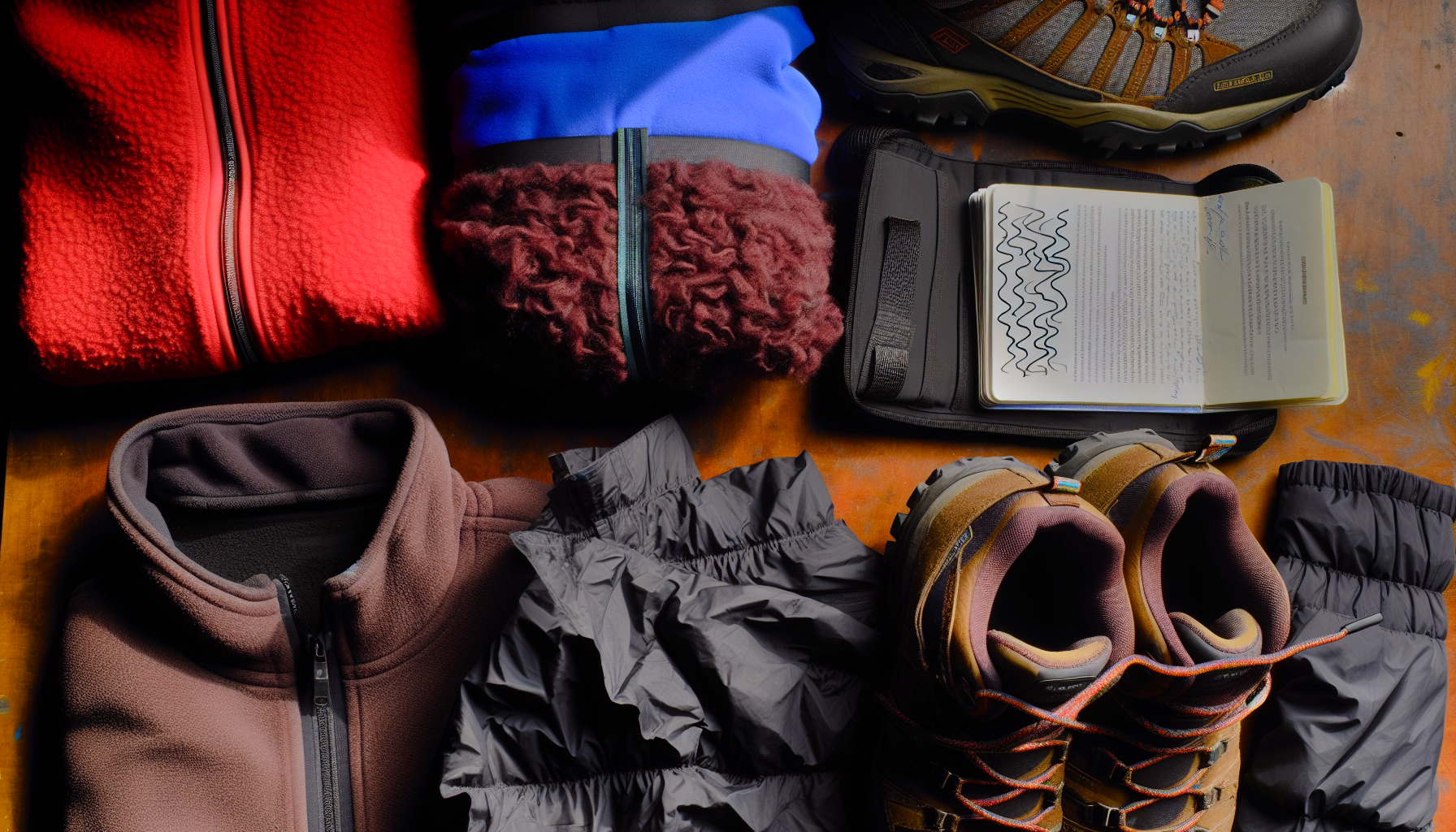
Proper packing for a Himalayan trek can significantly enhance your overall experience. Here are some essential items to consider:
-
Layered clothing is a must to handle the temperature variations in the Himalayas, which can swing between -10 °C and 15 °C.
-
Quality trekking shoes are crucial for the rugged terrain.
-
Polyester socks are recommended for daytime hiking, while warmer woolen socks are essential for colder nights.
Your gear should also include:
-
Synthetic, waterproof gloves with padded insides for protection against snow
-
Two pairs of trek pants, one as primary wear and the other as a backup; pants with zippered cut-offs are preferred for their versatility
-
A wool winter cap to cover your head and ears
-
A balaclava to protect your neck, nose, and mouth from the cold
These items are essential for your winter trek.
Remember, your pack should be as lightweight as possible, so choose garments with zipped pockets to reduce the need for extra pouches. For a comprehensive guide on trekking equipment, consult resources like the Nepal Gear Guide & Checklist and the CleverHiker Gear Guide.
Permits and Regulations
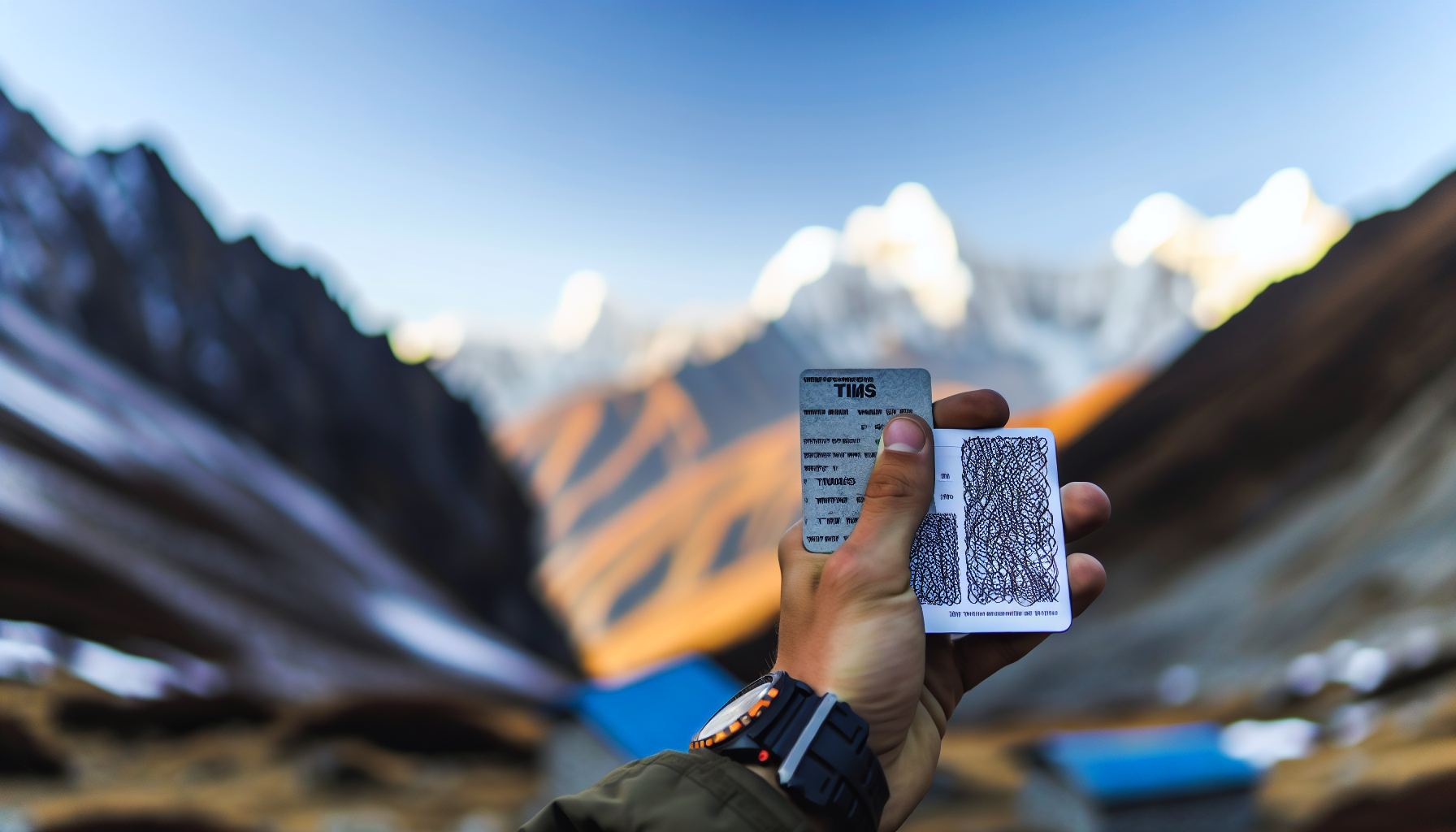
Various permits are required for trekking in the Himalayas, such as entry permits for national parks or conservation areas, TIMS cards, and restricted-area trekking permits, where necessary. The fee for a TIMS card is around USD 17 for non-SAARC trekkers and USD 7.50 for SAARC trekkers. Entry permits to national parks and conservation areas in the Himalayas cost around USD 25 regardless of the length of stay, and they require two passport-style photos.
The total cost for permits varies based on the trek. Here are some examples:
-
Everest Base Camp: USD 63 per person
-
Annapurna Conservation Area and Langtang National Park: USD 42 per person for the TIMS card and relevant permits
-
Upper Mustang area: USD 500 for the first 10 days and USD 50 for each additional day.
Hiring Guides and Porters
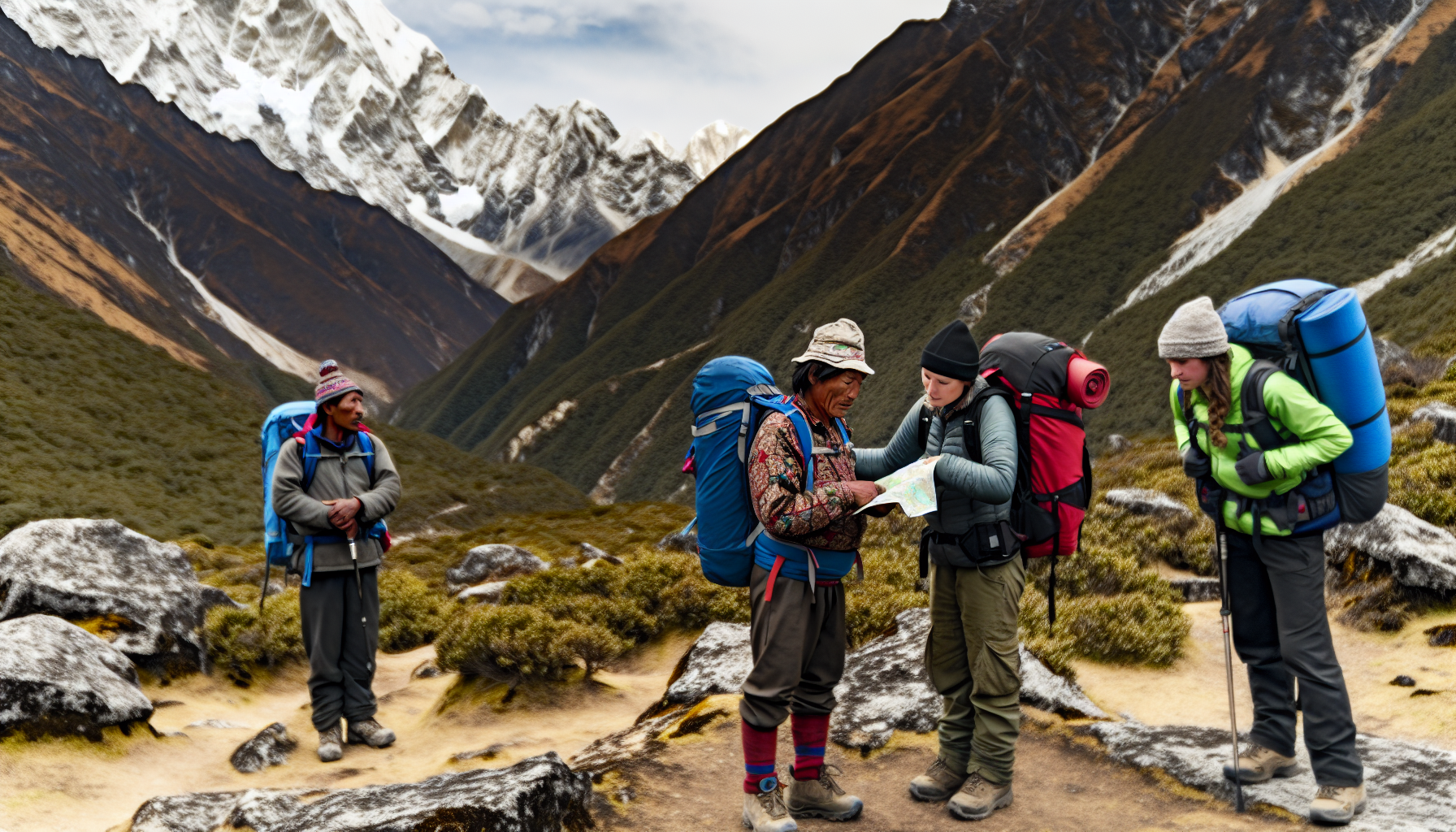
Engaging local Sherpa guides, cooks, and porters can enrich your trekking experience by promoting cultural exchanges and supporting the local economy. Here’s how each of them can contribute to your trek:
-
Guides provide valuable assistance in navigation, lodging, food, managing schedules, and offer insight into local culture, customs, and traditions.
-
Cooks prepare delicious meals for you during the trek, ensuring you have the energy you need to continue.
-
Porters carry heavy gear, enabling you to hike comfortably with a lighter daypack and help reduce the difficulty of treks.
By hiring local guides, cooks, and porters, you not only enhance your trekking experience but also contribute to the local community.
While hiring a guide or porter comes with numerous benefits, there are potential drawbacks. Joining a guided group trek can sometimes lead to a lack of personal comfort if travel companions are not compatible. Guided treks may limit personal independence, requiring you to stick to the group’s pace which might not align with your preferences.
Hiring an independent guide poses risks as they might be uninsured, creating potential challenges if issues arise on the trek. The cost of hiring guides through third-party companies can be higher due to the premium charged for their services. Despite these potential drawbacks, the benefits, including safety and ease of navigation, often outweigh the downsides.
Cultural Etiquette and Responsible Trekking
Himalayan trekking is not just about overcoming physical challenges and taking in the stunning views. It’s also an opportunity to immerse yourself in the local culture and practice responsible trekking. Some ways to connect with locals include:
-
Saying ‘Namaste’ with a slight bow and a genuine smile
-
Learning a few basic phrases in the local language
-
Participating in local customs and traditions
-
Supporting local businesses and communities
These actions can help you have a more meaningful and authentic experience while trekking in the Himalayas.
Observing local customs can enhance your trekking experience. Here are some customs to keep in mind:
-
Maintain distance from religious ceremonies
-
Refrain from intrusive photography
-
Engage with locals to learn about their culture
-
When dining, eat with your right hand and avoid wasting food
-
Remove shoes before entering sacred or private spaces
Following these customs will show respect for the local culture and make your trekking experience more enjoyable.
Support the local economy by hiring local guides knowledgeable in local terrain and culture, and by purchasing local products. Adhere to ‘Leave No Trace’ principles on all treks, pack out trash, keep to the hiking trails, and opt for small groups to reduce environmental impact.
Dress modestly by covering shoulders, chest, and knees, particularly when passing through villages and religious sites.
Dealing with Emergencies and Medical Concerns
The thrill of planning your trek can sometimes lead to overlooking potential emergencies and health concerns. However, it’s crucial to be prepared. Travel insurance is essential for high-altitude trekkers, and policies should cover emergency evacuations and the particular risks associated with trekking at high altitudes.
Carrying a comprehensive medical kit for treating common ailments is important, and having access to remote medical consultations can handle any medical concerns while on the trek. Having emergency medical evacuation plans, including options for helicopter rescue by reputable companies, is key for safe and prompt transportation to medical facilities in case of serious health issues.
Local support and knowledge of the nearest medical facilities can be life-saving in emergencies. Communities can provide shelter and assistance in the logistics of search and rescue operations. Being prepared for emergencies is not just a precaution, it’s a necessity when trekking in remote mountain regions.
Capturing Your Trek: Photography Tips and Tricks
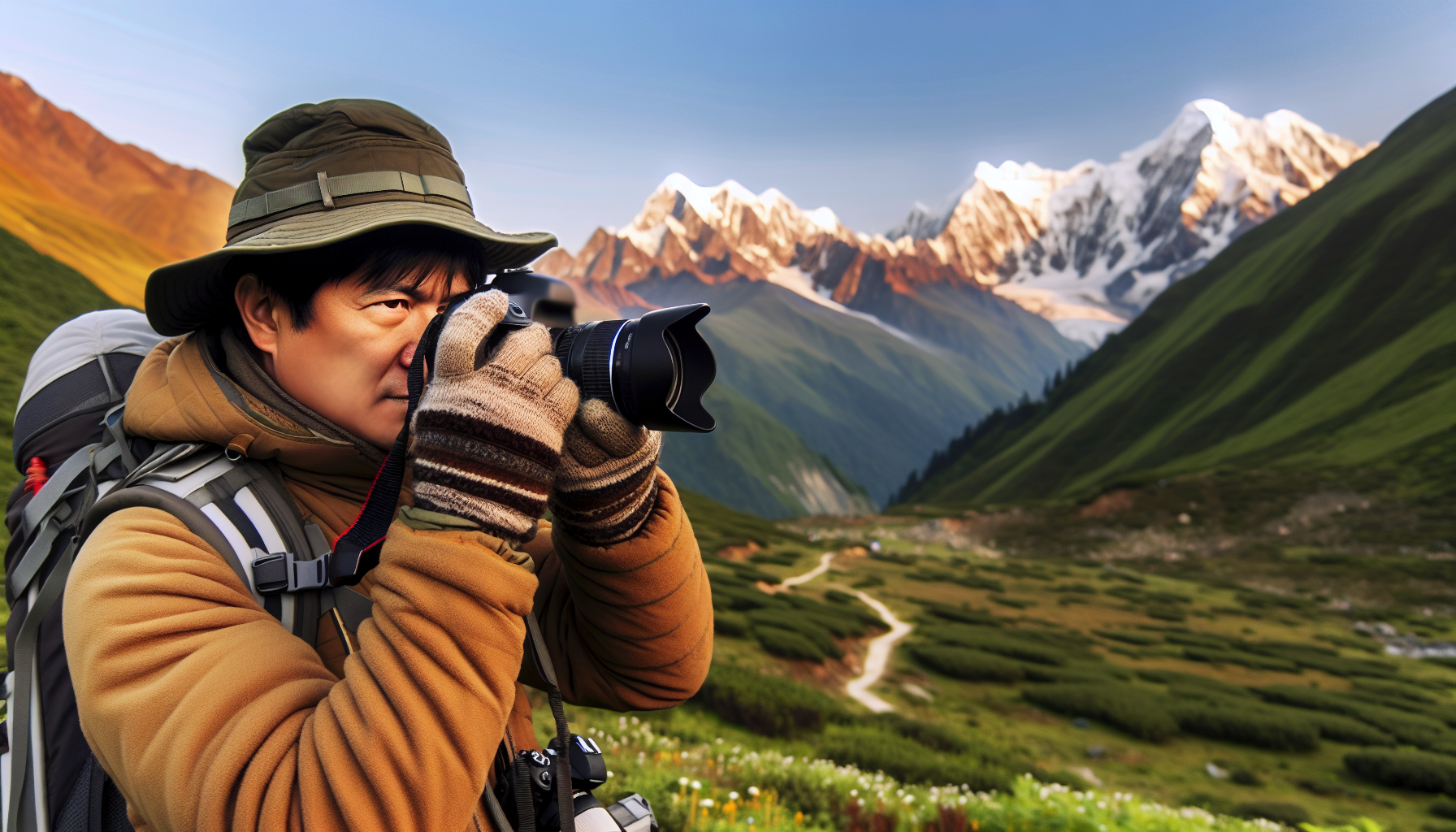
Photos can eloquently narrate the story of your Himalayan trek, offering a wonderful way to immortalize your adventure and share it with loved ones. The camera you choose depends on your photography skills and what you’re willing to carry. Here are some options:
-
Digital SLRs provide versatility and quality, but they’re not pocketable and require careful planning to carry.
-
Mirrorless Interchangeable Lens Cameras and semi-compact ‘travel zooms’ are more compact alternatives.
-
Camera phones can be used for quick photo sharing during treks but may offer limited zoom and struggle with composition in bright conditions.
Adjusting camera settings is crucial in snowy Himalayan conditions. Here are some tips:
-
Shooting a third of a stop down can yield better results
-
Shooting in the highest resolution or RAW format provides the highest image quality and post-processing flexibility
-
For panoramic shots, fix the exposure across the sequence and use manual settings for consistent outcomes.
Creating a striking composition can make your photos stand out. Focus on a simple main subject with a simple background, use natural lines for guidance, shoot from low perspectives, and apply the rule of thirds for off-center subject placement. Equip a polarizing filter to reduce glare and enhance colors, use wide-angle and telephoto lenses to capture landscapes with depth and details respectively, and utilize a tripod for stable shots especially during low light. In changing conditions like haze, sunrise, or sunset, take advantage of the atmosphere to add depth, bracket exposures for the perfect shot, and use appropriate shutter speeds to capture clear images in motion.
After Your Trek: Post-Trek Activities and Relaxation
Once your trek is over, it’s crucial to take time to unwind and recharge, facilitating a complete recovery. Indulge in a variety of relaxing and therapeutic services such as:
-
deep tissue massages
-
reflexology
-
Ayurvedic treatments
-
herbal baths
-
hydrotherapy
-
other holistic approaches
These services are available at wellness centers and luxury resorts specifically tailored for trekkers.
For cultural enrichment and entertainment, engage in activities such as:
-
Paragliding
-
Visiting historic sites like Lumbini
-
Embarking on jungle safaris
-
Engaging in white water rafting or mountain biking
-
Enjoying tranquil retreats like the Garden of Dreams
Your adventure doesn’t have to end when you step off the trail. Whether you choose to unwind with a massage, explore local attractions, or embark on another adventure, your post-trek activities can contribute to a fulfilling and restorative experience in the Himalayan region.
Summary
Embarking on a trek in the Himalayas is a journey like no other. From selecting your ideal trek and preparing your body and mind to experiencing the rich culture and breathtaking landscapes, each step brings you closer to a life-changing adventure. As you pack your bags, remember that the journey is not just about reaching the summit, but about the incredible experiences and personal growth along the way. So here’s to your Himalayan trek, and to the unforgettable memories you’re about to create!
Frequently Asked Questions
How much does it cost to hike the Himalayas?
Hiking the Himalayas can vary in cost depending on the route and the services you opt for. It’s important to research and plan ahead to get a clear idea of the expenses involved.
Which month is best for trekking in Himalayas?
The best month for trekking in the Himalayas is autumn, from mid-September to the end of November. This period offers the best weather and conditions for some of the most iconic treks in the region.
What is the most famous trail in the Himalayas?
The most famous trail in the Himalayas is the Everest Base Camp Trail, which is considered the most popular trekking route in Nepal and attracts thousands of people from around the world every year.
Is hiking the Himalayas hard?
Yes, hiking in the Himalayas can be challenging due to uphill and downhill walking over uneven terrain at high altitude.
How long does it take to hike the Himalayas?
It can take anywhere from 18 to 152 days to hike the Great Himalaya Trail, depending on the specific sections or the full traverse you choose. Happy trekking!