
What is the Lost City Colombia and how can you reach it? In the heart of the Sierra Nevada lies Ciudad Perdida, a testament to the Tayrona civilization’s ingenuity. This article cuts straight to the core, offering a comprehensive guide to navigating the challenging trek through Colombia’s majestic mountains. You’ll learn about the rich history waiting to be discovered, the physical demands of the journey, and the significance of the ancient site both culturally and spiritually. Prepare to embark on more than just a trek: it’s an expedition into the heart of a civilization long gone but not forgotten.
Key Takeaways
-
Ciudad Perdida in Colombia, also known as the Lost City, is a significant archaeological site founded around 800 AD by the Tayrona civilization, exemplifying their advanced societal structures and resistance against Spanish colonization.
-
A challenging trek requiring good physical health, the Lost City trek spans 45km and encompasses steep terrain, dense jungle, and river crossings, with preparation and guidance from professional tour operators crucial for a safe and enriching experience.
-
The trek involves cultural interaction with indigenous communities, wildlife encounters, and exploration of ancient terraces and ruins, offering transformative experiences that justify the financial and physical investment for many trekkers.
A Journey Through Time: The History of Ciudad Perdida
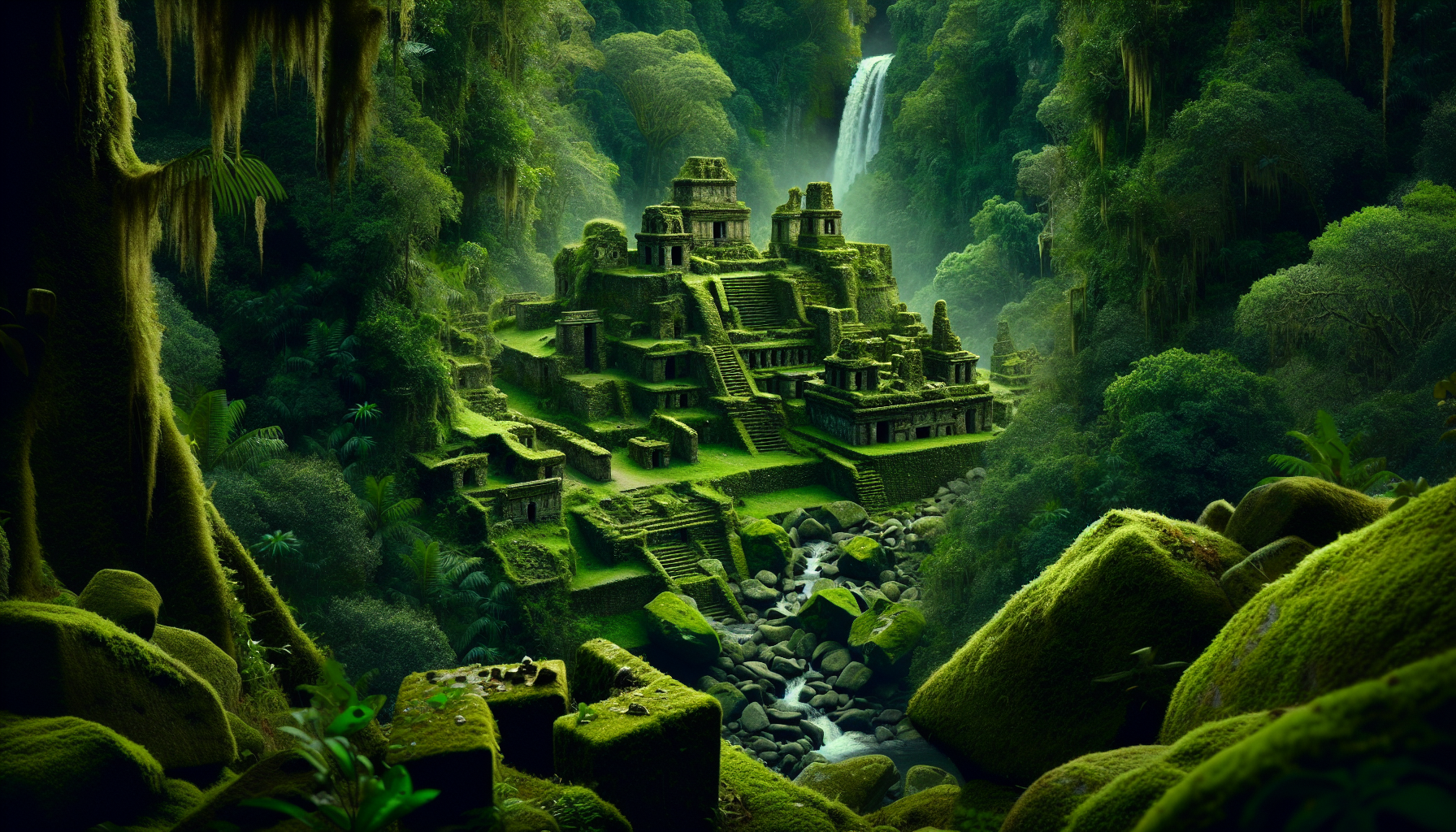
The tale of the Lost City Colombia, also known as Ciudad Perdida, begins long before the pages of history were written, in a time when the Tayrona civilization thrived amidst the Colombian mountain ranges. Founded around 800 AD, over six centuries before Machu Picchu, the Lost City was a nexus of culture, economy, and spirituality for a society that may have sustained as many as 8,000 individuals. The terraces etched into the mountains, the network of stone pathways, and the circular plazas are testaments to a once-flourishing community, of which only a fraction has been uncovered for the modern eye.
Today, the Lost City stands as a silent testament to history, beckoning us to decode its mysteries and tread the sacred ground where ancient inhabitants once walked, offering a unique lost city experience at the lost city site.
The Tayrona Civilization
From 200 CE to 1600 CE, the Tayrona civilization, renowned for their mastery in art, metallurgy, and agriculture, thrived in South America. Their civilization was characterized by:
-
Mastery in art, metallurgy, and agriculture
-
Craftsmanship deeply intertwined with shamanic beliefs
-
Art that often depicted transformational animals like bats and snakes to symbolize power and status
-
Elaborate religious practices involving rituals and dances that were expressions of cosmic knowledge and transformation
The artifacts left behind, including Tairona ceramics dating back to 2500 BCE, narrate stories of daily life and longstanding traditions. The Tayrona established sophisticated communities, complete with stone pathways and terraces, a good millennium and a half before the Spanish arrived on their shores. Their exceptional military skills led to a resistance against Spanish colonization that endured for over 75 years, marking one of the longest resistances in the Americas.
The remnants of their society, such as Ciudad Perdida and other settlements like Pueblito, offer a window into their advanced societal structures.
Rediscovering the Lost City
The story of Ciudad Perdida’s rediscovery is as intriguing as its origin. In 1972, treasure looters stumbled upon the site, which had been consumed by the relentless embrace of the jungle. For years, the city remained veiled in obscurity until 1975, when it began to garner wider attention. Dubbed as Green Hell or Wide Set, the site underwent reconstruction from 1976 to 1982, slowly revealing its grandeur to the world.
Since 2009, the Global Heritage Fund has been pivotal in preserving the Teyuna-Ciudad Perdida Archaeological Park from the threats of:
-
climate change
-
uncontrolled vegetation
-
looting
-
unsustainable tourism
The collaborative efforts to conserve the park have been significant, with indigenous communities playing a crucial role in this endeavor. Recent LiDAR mapping by the Global Heritage Fund has uncovered over 200 structures, hinting at the vast expanse of the site still awaiting further exploration.
The involvement of indigenous people, bolstered by their recognized autonomy over their lands since 1991, has enabled them to use tourism as a means to reclaim ancestral lands and participate actively in the site’s management.
Preparing for Your Trek to the Lost City

The Lost City trek represents a commitment to adventure and self-discovery, and acknowledging the demands of the trek and preparing accordingly is of utmost importance. With its difficulty rated at four out of five, this trek is recommended for those who are active and maintain good physical health. Embarking on the adventures lost city trek with professional guides, trained by SENA and hailing from the region, brings invaluable experience to ensure a safe and enriching lost city trekking experience. As you consider your trekking abilities and stamina, communication with your tour operator will be key to receiving guidance and suggestions tailored to your needs, whether you choose to embark on the lost city trek independently or with a group. Discover the thrill of lost city treks and immerse yourself in the adventure.
Remember, the journey begins with a transfer to El Mamey, the trek’s starting point, provided by your tour operator, ensuring a smooth transition from your accommodation to the heart of the adventure.
Fitness Requirements
Not for the faint-hearted, the Lost City trek requires a sound fitness level, as it involves steep uphill climbs and downhill navigation, translating to approximately 5 hours of hiking daily. To prepare for the trek, start months in advance with a fitness routine focused on cardiovascular training, strength training targeting the legs and core, and hill training to build endurance.
If you’re concerned about your fitness level, consider opting for a 5-6 day itinerary for a slower pace, and trek during the dry season to ease physical strain.
Choosing a Tour Operator
The tour operator you choose significantly influences your experience on the Lost City trek. With only five official agencies certified to operate tours to the Lost City, independent trekking is not an option. Guias y Baquianos Tours is notable for employing local indigenous guides, contributing to both the richness of the trek and the preservation of the Archaeological Park. Consulting past traveler testimonials and using reputable booking platforms, such as GetYourGuide, can ensure a reliable and convenient service.
Look for an operator providing detailed pre-trek briefings and clear communication about trek itineraries and safety procedures. Choosing a tour operator that supports local communities and responsible tourism not only enriches your experience but also benefits the region.
Booking Your Trip
Advanced planning months ahead is not necessary for booking your Lost City trek as availability typically remains open for bookings made mere days before departure. Opt for an operator with a flexible booking policy to accommodate unforeseen changes in your plans. The cost for a standard 4-day hike is approximately US$440, but there are varying tour lengths at different price points, each affecting trekking distances and rest times. The price typically includes:
-
transport
-
meals
-
accommodations
-
a qualified guide
with variations depending on the operator. Some operators might offer additional services such as lodging or transport from nearby cities—consider these for overall value when booking. Ensure the operator provides detailed information about what is included in the price, and verify these details during the booking process.
Authorized tour companies, operators, and online platforms like GetYourGuide are reliable sources for booking your trip.
Essential Gear and Packing Tips for the Lost City Trek
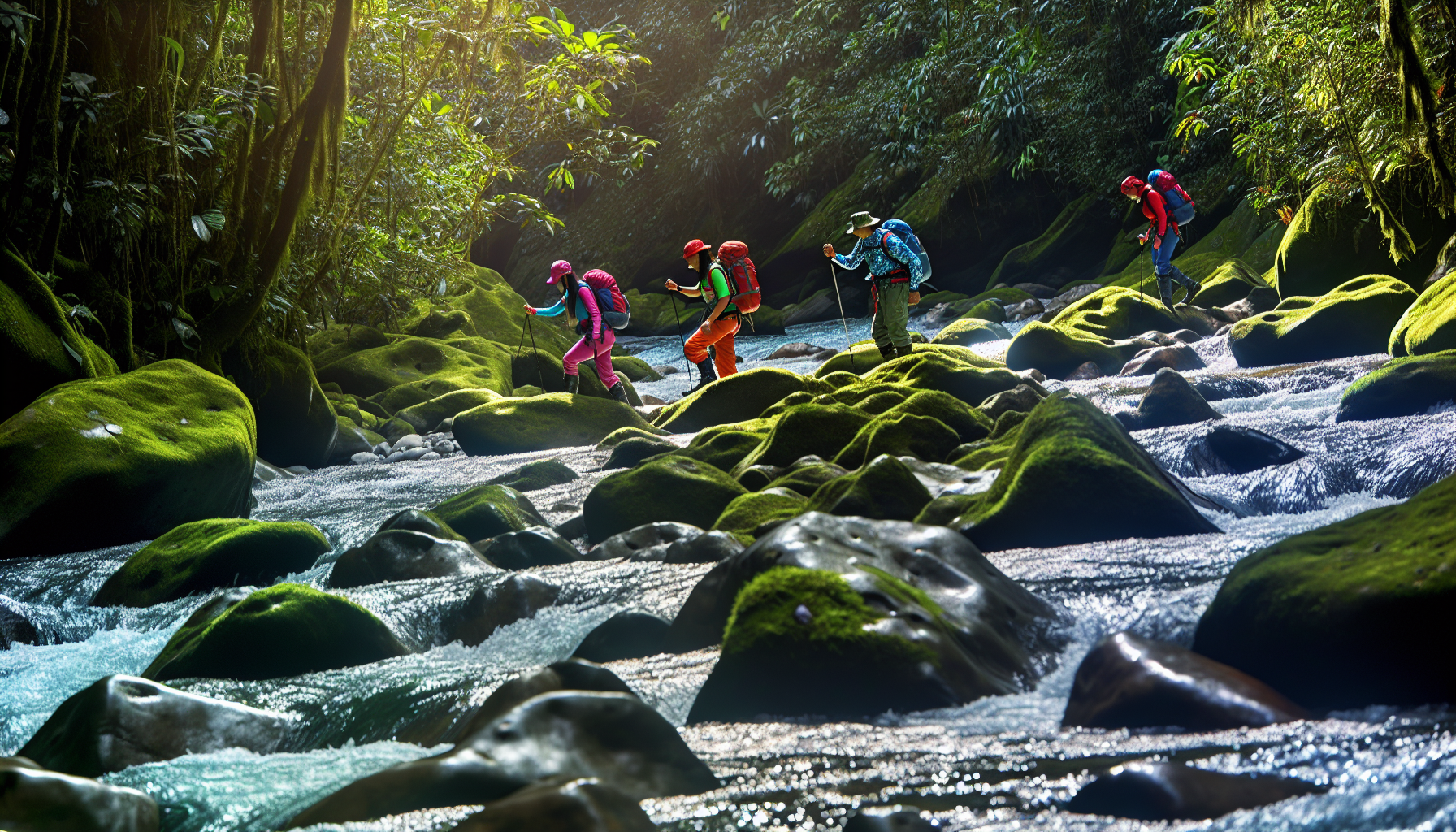
Packing for the Lost City trek requires a delicate balance between being adequately prepared and maintaining minimalism. Here are some essential items to consider:
-
Quick-drying clothing for the humid climate
-
Sturdy footwear for the rugged terrain
-
Reliable equipment for camping and hiking
-
A waterproof backpack to keep your belongings dry
-
A waterproof phone case to protect electronic devices from moisture
By packing these items, you’ll be well-prepared for the trek while still keeping your load light.
Staying hydrated is crucial. Here are some tips to help you stay hydrated during your hike:
-
Carry high-energy snacks and electrolytes to replenish minerals lost through sweating.
-
Pack light to ease the strain of steep hills.
-
Don’t forget personal essentials like a towel and sunscreen.
Clothing and Footwear
Waterproof hiking boots with good traction and ankle support are indispensable for the diverse terrain encountered on the trek. Pack light sandals for relaxation at campsites and towns. Quick-drying underwear is essential for maintaining hygiene throughout the multi-day trek. Weather in the jungle can be unpredictable, so include waterproof clothing such as a jacket and pants to stay dry during rain showers. To protect against the sun, wear moisture-wicking tops with UPF protection and a light brimmed hat.
Your clothing selection should include:
-
2-3 pairs of hiking pants or leggings
-
Shorts for warmer conditions
-
A warm long-sleeve top for cooler evenings
-
Several pairs of durable, lightweight wool hiking socks
-
Sock liners to prevent blisters
-
Sports bras that offer adequate support while being comfortable and quick-drying (for women)
Backpacks and Equipment
Selecting the right backpack is paramount for a comfortable trek. Opt for models with capacities between 20 to 40 liters, waist straps, an internal frame, and a built-in rain cover, preferably from brands like Osprey or Lowe Alpine. A reusable water bottle with a built-in filter is vital for accessing safe drinking water from various sources. Enhance your comfort and safety with additional accessories like a headlamp, trekking poles, a multi-tool, a buff or bandana, and polarized sunglasses.
Manage your electronics with a portable battery charger and a dry bag to protect them from moisture; a head torch with extra batteries is also crucial as campsites often turn lights off early. Use packing cubes, plastic bags, or a waterproof dry bag to manage clothing, and a rain poncho to protect yourself and your backpack during the rainy season.
Health and Safety Items
Never underestimate the importance of health and safety items on your trek. Here are some essential items to consider:
-
High SPF sunscreen to protect you from sunburn
-
Mosquito repellent, with Jungle Formula being a recommended option
-
Gaiters and a head net for additional protection against insects
-
Vitamin B tablets, which may help reduce mosquito attraction
Make sure to pack these items to ensure a safe and enjoyable trek.
Some essential items to pack for your journey include:
-
Rain ponchos and bin liners to keep you dry
-
A SteriPEN or purification tablets for safe drinking water
-
Anti-chafing balm and sun-protective lip balm to prevent skin irritation
-
Antibacterial hand wash for maintaining hygiene
-
A small first aid kit with essentials like Imodium, paracetamol, blister plasters, and rehydration sachets
-
Travel insurance with medical coverage
Make sure to pack these items to ensure a safe and comfortable journey.
Navigating the Lost City Trail

The trek to Ciudad Perdida includes:
-
Physically spanning 45km
-
Feeling like trekking 65-70km due to the steepness of the terrain
-
Navigating raw, uneven jungle terrain with narrow pathways
-
Dealing with dense foliage
-
Crossing rivers that can range from ankle-deep to thigh-high depending on the season
-
Uphill hiking that can be challenging
But a slow and steady pace allows trekkers to manage these challenges while soaking in the surrounding beauty.
Every day on the Lost City Trek presents new experiences and difficulties, with swimming holes along the rivers providing welcome relief from the trek’s heat.
Terrain and Altitude
Be prepared for a variety of terrain on the Lost City Trek, including:
-
Dense jungle
-
River crossings
-
Steep stone steps
-
Challenging pathways with frequent uphill climbs
-
Rocky uneven grounds
-
Protruding tree roots
The final approach includes a major river crossing before the ascent of the stone steps leading up to the Lost City. The trek begins at 340 meters and ascends to approximately 1,200 meters, with significant altitude variation that adds to the physical demands.
Climate and Weather Conditions
The Sierra Nevada de Santa Marta region, where the Lost City trek unfolds, boasts a warm and wet climate almost year-round. Trekking during the dry season, from December through March, is often preferred due to reduced rainfall, which eases river crossings and trail risks. Conversely, the wet season, from April to November, introduces higher river levels and slippery conditions, with October known for its heavy rains.
Despite relatively stable temperature fluctuations, the heat and humidity during day-long hikes can be intense. To optimize your trekking experience, it is advisable to set out during the dry season, or during the shoulder season for those seeking fewer tourists and potentially better deals, while avoiding the wettest months for comfort.
Stages of the Trek
Familiarizing yourself with the stages of the Lost City Trek helps in setting realistic expectations for each day’s journey.
Day 1:
-
Starts at a modest altitude
-
Gradually ascending
-
Around 7 hours of trekking including rest stops
-
Culminates at the Casa Alfredo campsite
Day 2’s path leads trekkers deeper into the tropical jungle, increasing in elevation and presenting a longer trek with two rest stops before reaching Casa Paraiso.
On Day 3, an early ascent to the Lost City is followed by a descent, with the day’s trek spanning several kilometers over several hours, and the night spent at Casa Mumake.
The final day, Day 4, sees trekkers leave the Lost City trail, with a trek to 700m and a 19 km journey back to El Mamey, offering a chance to swim in virgin rivers along the way.
Encountering Indigenous Communities and Wildlife
The Lost City Trek provides an opportunity to delve into the living cultures of the Kogi, Wiwa, Arhuacos, and Kankuamo tribes, for whom Ciudad Perdida is a sacred site deeply tied to their spiritual beliefs. Embarking on a lost city tour allows you to witness these communities, who see themselves as ‘the guardians of the heart of the world’, uphold a profound bond with the land, reflecting their commitment to environmental preservation.
Beyond the cultural tapestry, the trail offers the chance to witness a vast array of wildlife, making the trek one of the most biologically diverse in South America.
Indigenous Communities
In the heart of the Sierra Nevada, trekkers have the unique privilege of engaging with the Kogui and Wiwa tribes, descendants of the Tayrona, who are dedicated to preserving their traditions and ancestral heritage. The depths of Ciudad Perdida hold areas known primarily to the local indigenous communities, highlighting their deep-rooted connection to this ancient site. Their spiritual relationship with the land is a living example of cultural conservation, emphasizing the importance of protecting both environment and wildlife.
It’s essential to approach interactions with the locals respectfully, seeking permission before taking photographs and being mindful of their cultural practices and beliefs. The opportunity to visit with a local shaman and learn about native cultures adds an enriching layer to the trek, offering profound insights into the region’s living history and culture. The cost of the trek is thus seen as an investment into an extraordinary cultural experience that extends beyond the physical domain.
Wildlife Encounters
The Lost City Trek is synonymous with biodiversity, where each step can reveal a different aspect of the region’s wildlife. Some of the wildlife you may encounter on the trek includes:
-
Insects
-
Bird species
-
Monkeys
-
Domestic animals like mules and cows
-
Lizards
-
Flying squirrels
-
Other seldom-seen creatures
The rich biodiversity surrounding Ciudad Perdida enhances the trek, as the allure of the archaeological site is complemented by the opportunity to encounter unique flora and fauna.
The value of the trek is thus amplified, encompassing not only the physical journey but also the opportunity to appreciate the cultural richness and biodiverse environment of the Sierra Nevada.
The Lost City Revealed: Exploring Ciudad Perdida

The apex of the trek arrives the moment you enter Ciudad Perdida, an achievement marked by the ascent of 1,200 ancient stone steps leading to the city’s entrance. Inside, the ‘Central Axis’ stone trail guides visitors to the heart of the city, where large terraces once held houses and temples, now standing silent amidst the forest.
A stone circle encountered along the way serves as a spiritual site where trekkers can partake in a symbolic cleansing with coca leaves. Typically, visitors spend two to three hours exploring the ancient city, allowing for a thorough experience of its extensive ruins and the breathtaking scenery.
Main Structures and Ruins
The terraces of Ciudad Perdida are a marvel of ancient engineering, with 169 terraces built into the mountainside that are among the most striking elements of the site. The stone stairway that grants access to these terraces is a testament to the architectural prowess of the Tayrona people.
Beyond the terraces, the site includes a network of tiled roads and several small circular plazas, which reveal the city’s urban design. A boulder with carved markings, believed to be a map of the city, offers a glimpse into the sophisticated navigational methods of the past.
Viewpoints and Panoramic Spots
Ascending to the higher terraces within Ciudad Perdida, trekkers are rewarded with sprawling panoramic views that offer a sense of the site’s layout and the encompassing jungle’s beauty. Overlooks in the central area provide vantage points where the wooden structures of yesteryear once stood, making it a favored spot for photographers and history buffs alike.
To ensure continuous capture of the trek’s beauty, carrying a camera with extra batteries is recommended, especially for photographing the breathtaking scenery from various viewpoints.
Hidden Gems
Beyond the well-trodden paths of Ciudad Perdida lie hidden terraces, enveloped in the jungle’s embrace and waiting for the intrepid adventurer to discover. Venturing off the main trail to these less frequented spots allows visitors to experience an adventurous and less explored aspect of the city.
Thick jungle overgrowth conceals parts of la ciudad perdida, which, when explored, provide a glimpse into the unseen ruins and paint a picture of the city at its zenith.
Reflecting on Your Adventure: Is the Lost City Trek Worth It?
Upon descending from the lofty heights of Ciudad Perdida, trekkers frequently find themselves reflecting upon the challenges and rewards of the trek. While the adventure can be taxing both physically and financially, many find the experience transformative. The trek demands dedication and resilience, but it is the sense of achievement and personal growth that remains long after the sore muscles have recovered.
Time Commitment
The Lost City trek typically spans 4 to 6 days, with the 5-day option being a popular choice for many. For those with a packed travel schedule of less than two weeks, dedicating a significant portion to the trek might seem daunting, potentially limiting opportunities to explore other Colombian attractions.
However, for those with the luxury of a longer stay, integrating the trek into their itinerary can be a rewarding addition to their Colombian adventure.
Cost vs. Experience
Despite the trek’s cost, many trekkers feel the experience, encompassing history, culture, and nature, justifies the expense. The comprehensive nature of the guided tour often aligns with or exceeds trekkers’ expectations, contributing to its perceived value. The all-inclusive nature of the trek, covering transportation, meals, accommodation, and guidance, adds to its appeal. Some find the Lost City trek more challenging than other famous treks, such as the Inca Trail or Kilimanjaro, suggesting a high value for the strenuous experience.
Budget backpackers might find the cost prohibitive, but for others, the unique experience is well worth the investment. The tranquil beauty of the trek and the early morning starts are considered a fair trade-off for the time and money spent. It’s important to note that the trek’s cost has more than doubled since 2014, now approximately $358USD, which may affect affordability. The limited number of trekkers allowed on the trail can justify the higher price to maintain sustainable tourism levels.
Personal Reflections
The trek to Ciudad Perdida often leaves an indelible mark on those who undertake it. Many report a profound sense of accomplishment, emphasizing the trek’s deep connection to nature and culture. Although the Lost City may not meet some visual expectations and accidents like sprains can happen, the trek is frequently described as a mentally and physically challenging yet rewarding adventure.
The trek offers:
-
A chance for introspection and bonding
-
Establishing a deeper understanding and appreciation for nature and the indigenous lands
-
Making every step and every moment spent in the jungle a critical part of the enriching experience.
Summary
In closing, the Lost City trek is an expedition that transcends the mere act of walking through the jungle. It is a multifaceted journey that challenges the body, enriches the mind, and nourishes the soul. From the historic marvels of Ciudad Perdida to the verdant pathways of the Sierra Nevada and the vibrant local cultures, this trek offers an unparalleled adventure. Whether it’s the arduous climbs, the rivers crossed, the wildlife spotted, or the ancient ruins explored, each element combines to form an unforgettable tapestry of experiences. As you reflect on the journey, consider the trek not just as a destination but as a passage through the layers of time—a pilgrimage to the heart of Colombia’s lost civilization.
Frequently Asked Questions
What is the Lost City in Colombia?
The Lost City in Colombia, also known as Ciudad Perdida, is an ancient city and sacred site built by the Tairona people over 1,000 years ago and located in the Sierra Nevada de Santa Marta mountains. It was uncovered in the 1970s and is an important archaeological site.
How much does it cost to go to Ciudad Perdida Colombia?
The cost to go to Ciudad Perdida in Colombia is approximately $360 USD per person when booking directly with tour companies in Santa Marta, such as Wiwa Tours. The price is fixed and should not vary among tour companies.
Who built the Lost City Colombia?
The Lost City in Colombia, also known as Ciudad Perdida, was built by the Tayrona people over 1,000 years ago. This Pre-Columbian culture established the center of political, economic, and social life until their civilization mysteriously disappeared in the 16th century.
Is The Lost City in Colombia worth it?
Yes, visiting The Lost City in Colombia is definitely worth it due to it being one of the best hikes in South America. The experience is highly recommended.
Can I trek to Ciudad Perdida independently?
No, independent trekking to Ciudad Perdida is not allowed. You must book the trek through one of the five official tour agencies certified to operate tours to the Lost City.