
Are you ready for the West Coast Trail? Get essential tips on securing permits, choosing the right gear, and navigating Vancouver Island’s renowned 75-km hiking challenge. This straightforward guide lays out everything you need to plan, execute, and enjoy your trek amidst the stunning natural beauty of the Pacific Rim. Start your adventure here, informed and prepared for the journey ahead.
Key Takeaways
-
The West Coast Trail is a challenging and historic hike through Vancouver Island’s Pacific Rim National Park, providing hikers with an immersive wilderness experience that requires adequate preparation and respect for the terrain.
-
Preparation for the trail involves securing permits, planning transportation and accommodations, and attending a mandatory orientation session to ensure a safe and informed hiking experience.
-
A successful hike requires attention to detail regarding gear selection, itinerary planning, weather considerations, food and water sourcing, and wildlife safety, culminating in an enriching encounter with natural wonders and historical landmarks.
Discover the West Coast Trail
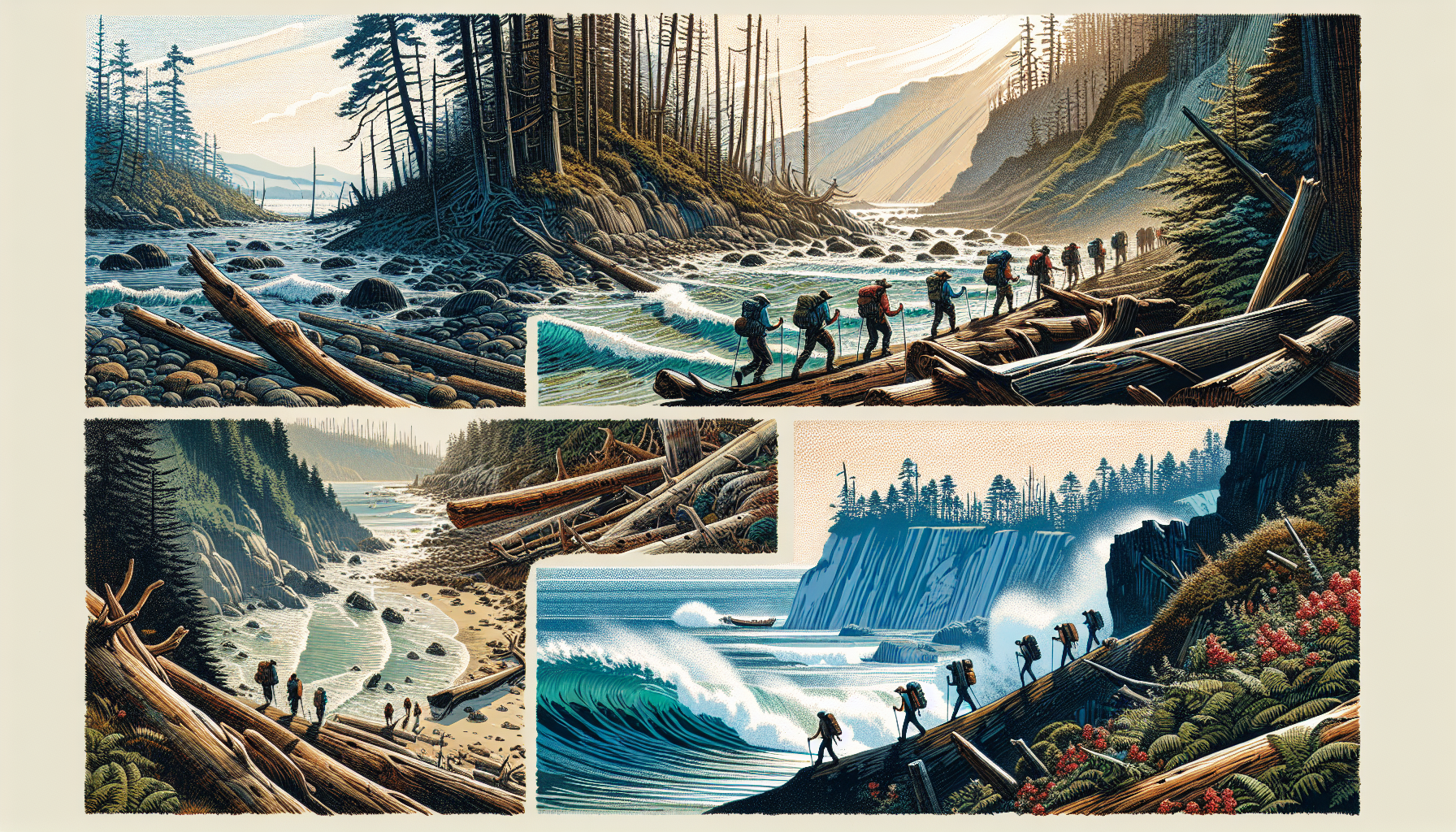
Whispered among west coast trail hikers as a rite of passage, the West Coast Trail offers an escape into the wild heart of the Pacific Rim National Park. This recreational hiking trail, carved through Vancouver Island’s rugged terrain, challenges adventurers to hike long distances across rocky beaches and forest trails on Vancouver Island. Considering the west coast trail cost, it is an investment in an unforgettable experience. Don’t forget to grab a west coast trail map to help you navigate this incredible journey, especially if you plan a west coast trail overnight adventure.
It’s where the roar of the ocean accompanies your every step, and the lush canopy whispers tales of the past.
The Birth of the West Coast Trail
The trail’s genesis was born out of tragedy and necessity. Following harrowing shipwrecks like the SS Valencia disaster in 1906, the Dominion Life Saving Trail was established, forging a lifeline through the treacherous Graveyard of the Pacific.
What started as a practical solution for survivors has metamorphosed into the West Coast Trail hike, a cherished backpacking trip that retraces the steps of history along the forest trail, including the Juan de Fuca Trail.
First Nations Guardianship
Amidst the towering cedars and fog-laden beaches, the trail’s stewardship tells another story—that of the Huu-ay-aht, Ditidaht, and Pacheedaht First Nations. These communities, in partnership with Parks Canada, are the soulful caretakers of the land, guiding its preservation and sharing their enduring connection with hikers from around the world.
Preparing for Your West Coast Trail Adventure
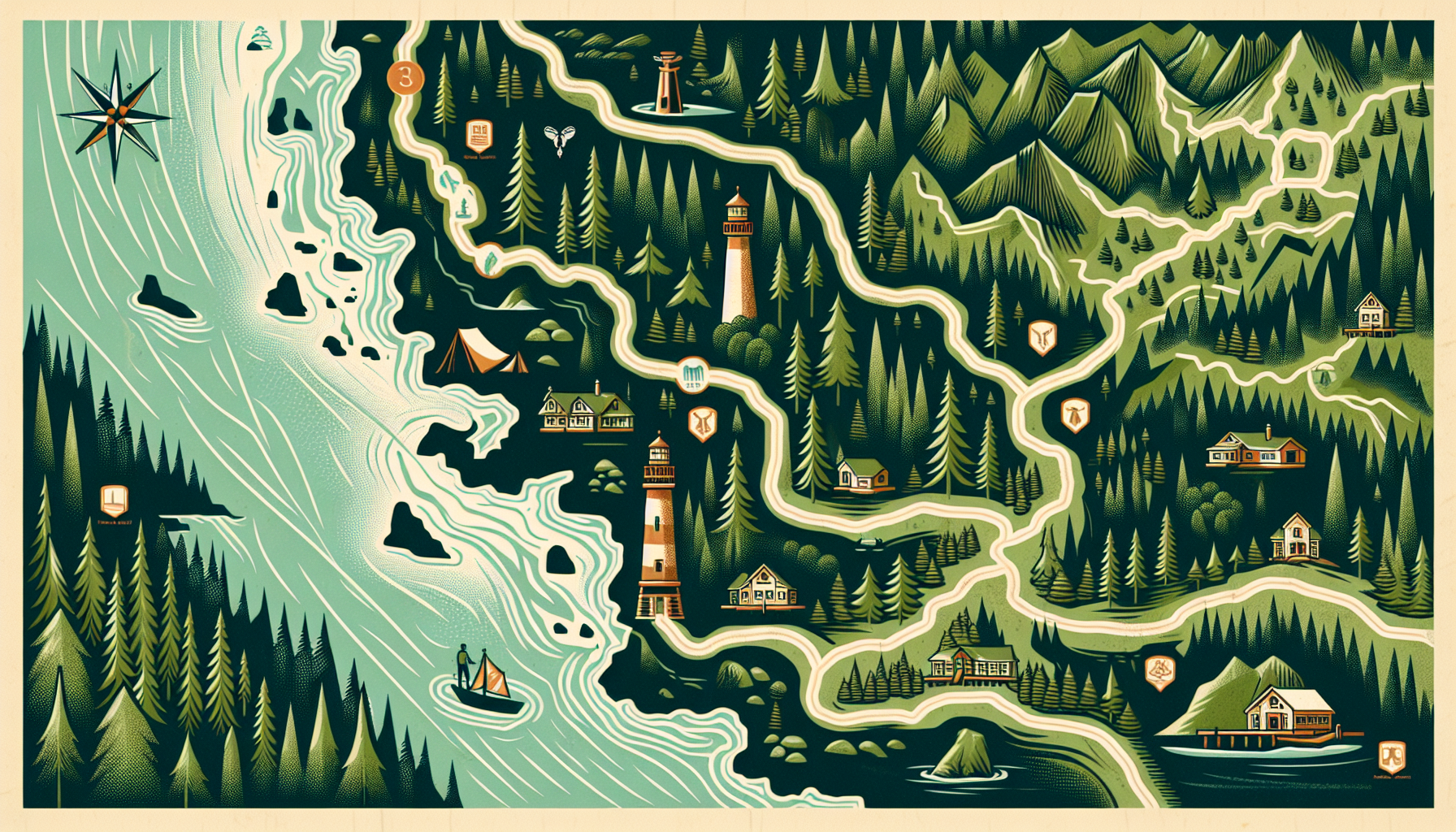
Preparation is key to ensuring your west coast trail travels are unforgettable for all the right reasons. From securing west coast trail reservations to plotting your journey on a trail map, this section will help you navigate the practicalities of your upcoming backpacking trip. Let’s start by discussing the essentials: permits, transportation, and where to lay your head before and after the hike.
Permits and Reservations
Venturing onto the West Coast Trail isn’t as simple as lacing up your boots and setting out. It requires planning, as the trail operates on a reservation system with a daily quota of hikers.
Here, you’ll learn about the cost, the process for obtaining your permit, and why attending the mandatory orientation session is crucial for a safe and informed hike.
Transportation Options
Getting to and from the trailheads is an adventure in itself. Whether you’re flying into Victoria, boarding a ferry, or catching the West Coast Trail Express shuttle, the journey to the northern or southern trailhead is the prologue to your trek.
We’ll discuss your options, from the gordon river ferry service to the trail bus that takes you back to civilization.
Accommodation Choices
Before you take your first step on the coast trail, you’ll need a place to gather your thoughts and after, a space to rest your weary body. Victoria and Port Renfrew offer a range of accommodations, from the rustic to the luxurious, ensuring you’re well-rested for the hike ahead and have a comfortable spot to reflect on your journey’s end.
Hiking the West Coast Trail: Tips and Strategies
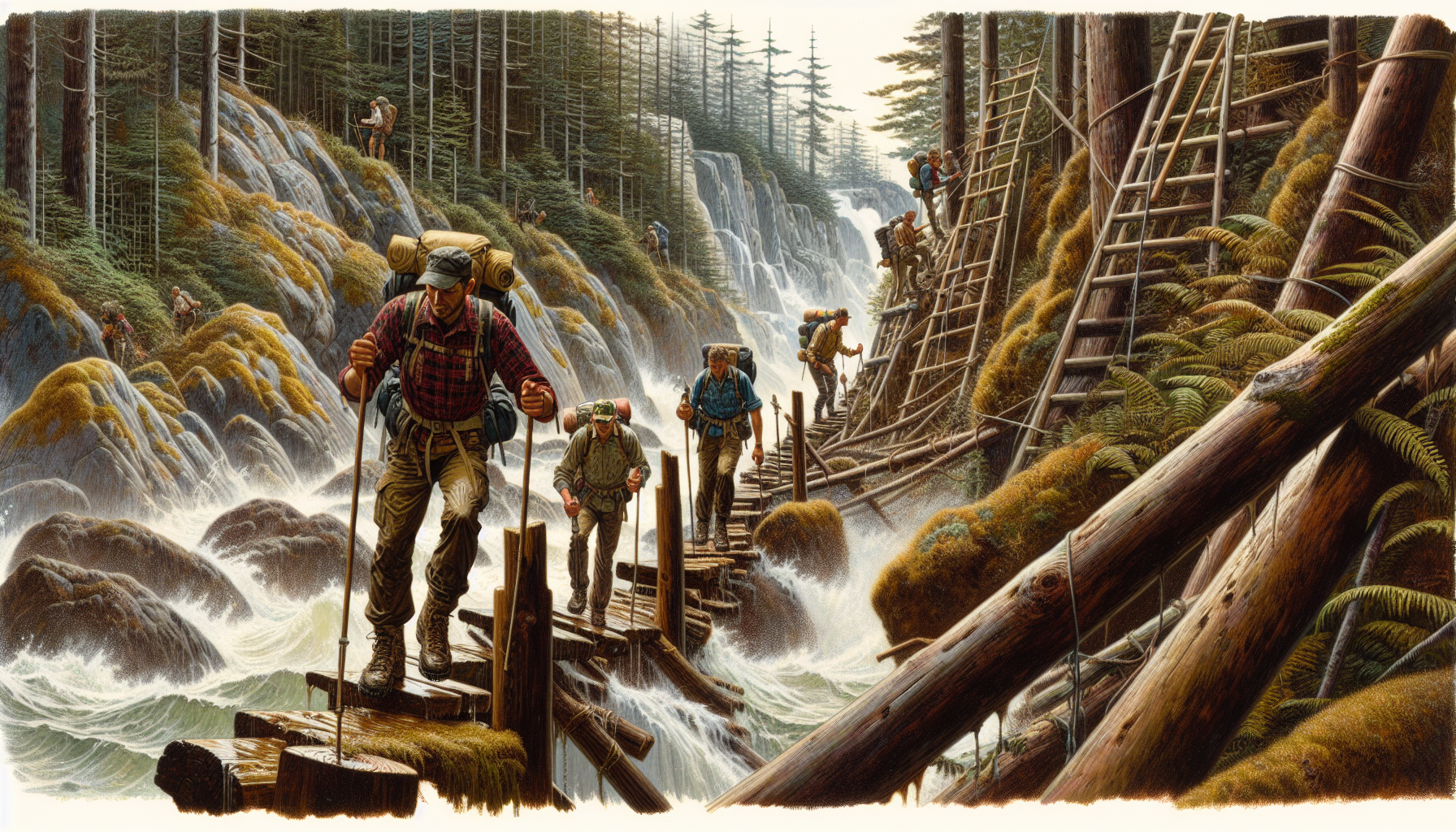
The West Coast Trail isn’t just a path; it’s a series of unpredictable elements that will test your endurance. In this section, we share tips and strategies for:
-
Tackling the terrain
-
Determining the best time to hike based on weather patterns
-
Choosing the direction that suits your hiking style and experience level.
Tackling the Terrain
From slippery rocks to steep ladders and rotting boardwalks, the trail’s varied terrain demands respect and preparation. We’ll delve into what you can expect underfoot, how to maintain a safe hiking speed, and why your trekking poles might become your best friends or cumbersome foes.
Weather and Best Time to Hike
Timing is everything when planning your west coast trail hike. This subsection will help you decide when to embark on your backpacking trip and provide insights into the trail’s microclimates, helping you stay dry and warm—or at least as much as one can on the wet and wild west coast.
Choosing Your Direction
Every hiker has a preference when it comes to tackling the entire trail: some like to ease into the trail, starting from the northern trailhead, while others prefer to tackle the most strenuous sections first by heading southbound.
This part will help you weigh the pros and cons and plan your beach route accordingly.
Essential Gear and Packing List
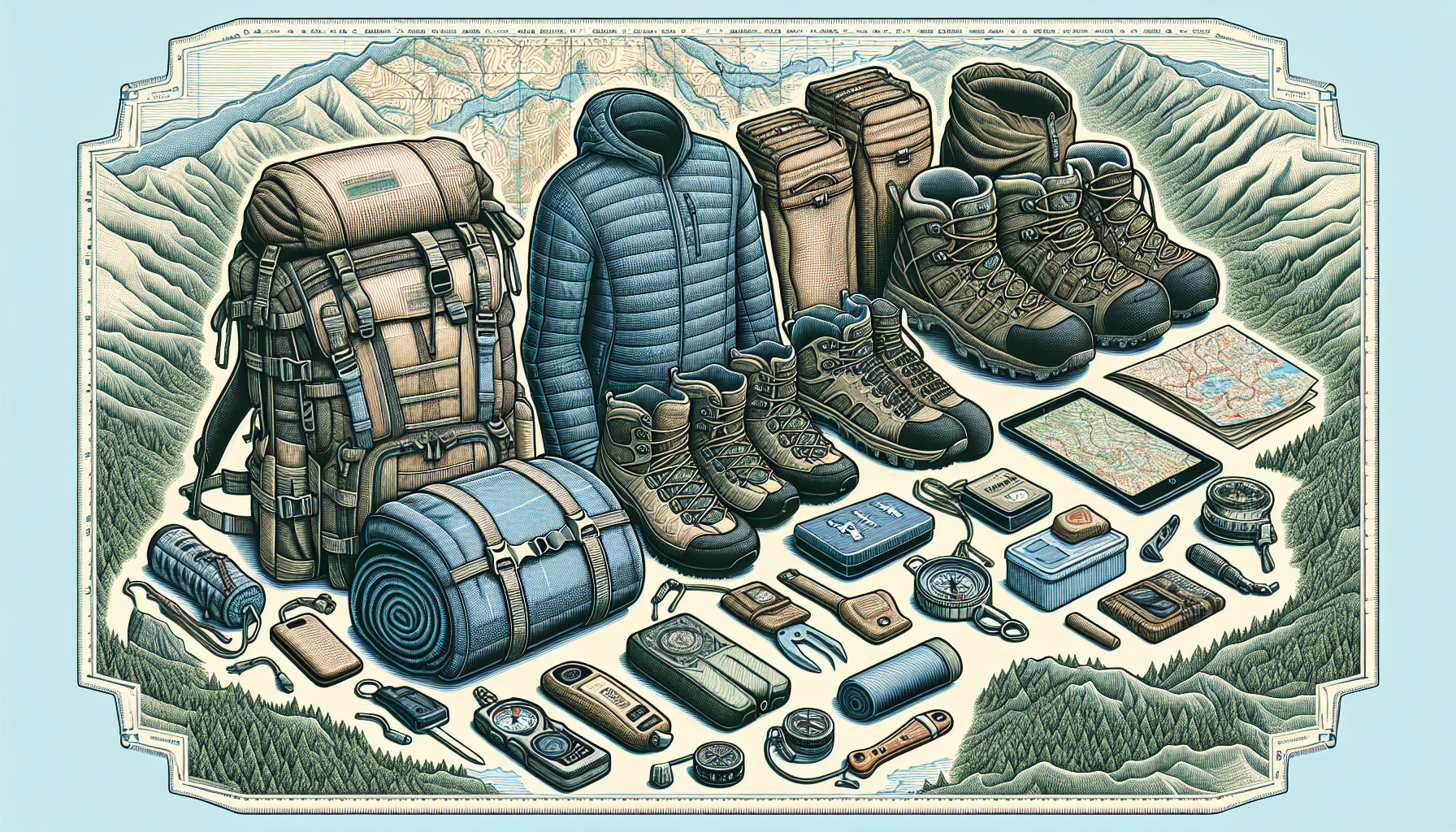
What’s on your back can make or break your multi day backpacking trip. This section provides a curated packing list that balances necessity with weight, ensuring you’re equipped with everything from rain gear to the right backpacking trail shoes without being weighed down.
Clothing and Footwear
On the trail, your clothing and footwear are your first line of defense against the elements. Waterproof, breathable, and comfortable are the watchwords here, as we guide you through selecting the best attire to keep you protected and mobile throughout your journey.
Backpacking Equipment
Beyond clothing, your tent, sleeping bag, and cooking systems are the pillars of your backpacking trips. From ultralight shelters to fuel-efficient stoves, we’ll discuss the equipment that will see you through the nights and fuel your days.
Safety and Navigation Tools
Safety should be your top priority, and that means being prepared with the right tools. Here, you’ll learn about the essential maps, tide tables, and electronic devices that will keep you on the right path and ready for any situation.
West Coast Trail Itinerary and Highlights

An epic journey like the West Coast Trail deserves an itinerary that captures its essence. In this section, we outline a day-by-day guide that highlights the trail’s natural wonders and historical landmarks, ensuring you don’t miss a thing.
Day-by-Day Itinerary
Whether you’re planning a standard 7-day hike or stretching it out to a leisurely 10 days, we provide several itinerary options tailored to different skill levels and hiking speeds. This subsection will help you chart your course and set realistic daily goals.
Must-See Attractions
From the thunderous Tsusiat Falls to the haunting Tsocowis shipwreck, the trail is dotted with attractions that are as enriching as they are breathtaking. We’ll pinpoint the must-see highlights that will serve as the backdrop to your memories for years to come.
Wildlife Encounters
Encountering wildlife is a profound aspect of the trail experience. Here, we share tips for safely observing the diverse fauna, from sea lions basking on the rocks to the cautious black bears that roam the forests, adding a thrilling dimension to your multi day backpacking trail adventure.
Food and Water on the Trail
Sustenance is as much a part of the West Coast Trail as the dirt beneath your feet. This section will guide you through meal planning, offer tips for maintaining your energy levels, and provide advice on how to safely source and treat water along the trail.
Meal Planning Tips
What you eat on the trail can have a substantial impact on your hiking speed and overall experience. We’ll discuss how to pack nutrient-dense, high-calorie foods that will keep you satiated and energized without taking up too much space in your backpack.
Food Storage and Bear Safety
In bear country, how you store your food is as important as what you bring. This subsection offers practical advice for keeping your meals safe from wildlife, ensuring both your safety and the preservation of the trail’s natural inhabitants.
Drinking Water Sources
Hydration is critical, and the West Coast Trail provides natural water sources at every turn. We’ll cover the best practices for treating water from creeks and streams to prevent illness, ensuring you stay hydrated and healthy throughout your trek.
Post-Hike Reflections and Recommendations
As the dust settles and your boots dry, the post-hike period is a time for reflection and growth. In this section, we share lessons learned, personal insights, and recommendations for your next adventure on the trail.
Lessons Learned
Every hiker’s experience is unique, and the lessons they take away are personal and profound. Here, we discuss the invaluable insights gained from the trail, from the importance of companionship to the necessary vigilance required in such a dynamic environment.
Post-Hike Recovery and Celebration
Completing the West Coast Trail is an achievement worth celebrating. This subsection offers ideas for post-hike relaxation and revelry, from enjoying a cold beer at the Port Renfrew Pub to sharing tales of the trail with fellow hikers and locals.
Summary
The West Coast Trail is more than just a hike; it’s an experience that challenges and changes you. This summary will encapsulate the key points of this guide, leaving you with a final burst of inspiration to take the first step on what could be the adventure of a lifetime.
Frequently Asked Questions
How long is the West Coast Trail on Vancouver Island?
The West Coast Trail on Vancouver Island is 75 kilometers (47 miles) long, and it takes several days to complete. It stretches through the traditional territory of the Huuay-aht, Ditidaht, and Pacheedaht First Nations.
What is the best month to hike the West Coast Trail?
The best month to hike the West Coast Trail is July or August, as these months offer the best weather and coincide with many hikers’ summer holidays.
What is the famous West Coast Trail?
The famous West Coast Trail is a multi-day backpacking trail spanning 75 kilometers along the west coast of Vancouver Island in British Columbia, Canada. It offers a spectacular backcountry experience.
What is the hardest part of the West Coast Trail?
The hardest part of the West Coast Trail for some people is the section between Walbran and Camper due to the challenging terrain and numerous ladders. This section includes a bog, boardwalks, mud, roots, and logs.
How much does it cost to hike the West Coast Trail?
Hiking the West Coast Trail costs $579.50 CAD for a 6-day/5-night permit, plus additional transportation and parking expenses.