
Winter camping may seem intimidating, but with the right preparation and gear, it can be an extraordinary experience. Discover the beauty of nature in its most serene and peaceful state, as you venture into a winter wonderland filled with crisp air, snow-covered landscapes, and a sense of tranquility. The key to a successful winter camping adventure lies in being well-equipped and knowledgeable about the unique challenges that cold weather brings. Are you ready to embark on a cozy, safe, and unforgettable winter camping journey?
Key Takeaways
-
Choose the right winter camping gear for warmth and safety.
-
Dress appropriately, stay informed of weather forecasts, and have hot drinks/meals to maintain energy.
-
Research your campsite location & utilize technology/accessories for extra comfort when adapting to cold conditions.
Choosing the Right Winter Camping Gear
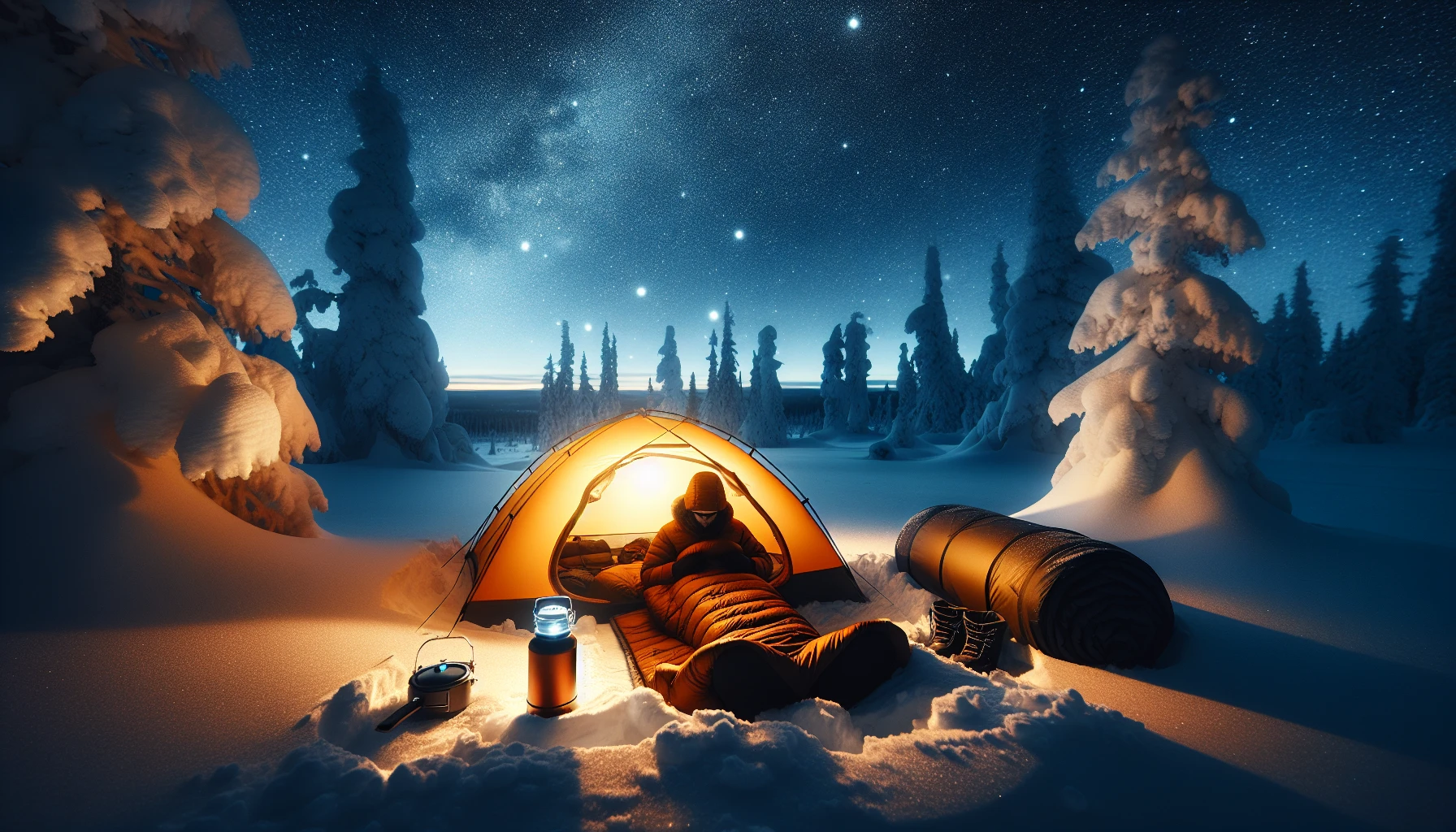
Any successful winter camping trip begins with the right gear. A suitable tent, a durable sleeping bag, and sufficient insulation are central elements to consider when picking your winter camping equipment. It’s not solely about staying warm, but also about maintaining your safety and comfort under harsh conditions.
So, how do you choose the right gear for your winter camping adventure?
Selecting a Suitable Winter Tent
Your choice of winter tent can make a world of difference in your camping experience. A sturdy, dome-shaped tent with minimal mesh is ideal for winter camping. The tent should be a 4-season tent with sturdier poles and heavier fabrics to withstand high winds and heavy snowfall. Also, a rainfly that extends near the ground will aid in keeping snow out of the tent, and enough storage space, like vestibules, is crucial for gear storage without sacrificing comfort. Brands like Black Diamond, Whiteduck, SlingFin, Eureka, Big Agnes, Marmot, The North Face, MSR, and NEMO are highly recommended for winter camping tents.
Ensure your tent’s stability by anchoring its stakes horizontally in the snow. Compress the snow firmly to hold them in place. During winter, use all the guy lines for overnight camping. Having more taut lines will provide better stability for your tent and help prevent it from collapsing. This advice is especially important for casual winter campers who may not have extensive experience in setting up tents in cold conditions. Practicing your tent setup before embarking on your winter camping trip can save you time and frustration when faced with cold temperatures.
The Importance of a Quality Sleeping Bag
A well-made down sleeping bag designed for cold temperatures is key to maintaining warmth during your winter camping adventure. When choosing a sleeping bag, consider its temperature rating, insulation type, and comfort limit, which may vary according to individual sleep preferences. Some highly recommended cold-temperature sleeping bags for winter camping are the Western Mountaineering Kodiak MF, the Mountain Hardwear Phantom 0, and the Sea To Summit Flame.
The type of insulation significantly influences the performance of your sleeping bag during winter camping. Some tips for staying warm and comfortable are:
-
Choose a sleeping bag with synthetic insulation, as it retains its insulating properties when wet.
-
Pack a sleeping bag liner for added warmth and comfort.
-
Use two sleeping pads for extra insulation from the cold ground.
Following these tips will help ensure a cozy night’s sleep in cold weather.
Insulation Beneath: The Role of Sleeping Pads
Sleeping pads are vital for offering insulation and comfort during winter camping. Closed-cell foam and air pads are the recommended combination for winter camping, as they offer a balance of insulation, weight, and compressibility. The R-value of sleeping pads is a measure of the material’s ability to resist the conductive flow of heat, and a higher R-value means better insulation.
When selecting a sleeping pad, consider factors such as weight, compressibility, and comfort. An insulated, closed-cell foam sleeping pad can help prevent heat loss when sleeping on the cold ground during winter camping trips. Pairing this with an air pad can provide a comfortable and well-insulated sleep system that will keep you warm and cozy throughout the night.
Preparing for Unpredictable Weather Conditions

Winter weather can be inconsistent with sudden storms, heavy snowfall, and freezing temperatures posing challenges even for seasoned campers. It’s vital to prepare for such conditions by checking weather forecasts, having appropriate gear, and informing others of your trip plan. Reliable sources for accurate weather forecasts for winter camping include CleverHiker, Outside Online, MSR Gear Blog, Backpacking Light Forum, and Happiest Outdoors.
To ensure a safe and enjoyable winter camping experience, it’s essential to be adaptable and ready for anything. This means having a contingency plan in place, being able to recognize signs of inclement weather, and being prepared to change your plans if necessary. By staying informed and flexible, you can continue to enjoy your winter camping adventure even when Mother Nature throws a curveball your way.
Strategies for Staying Warm Inside Your Tent
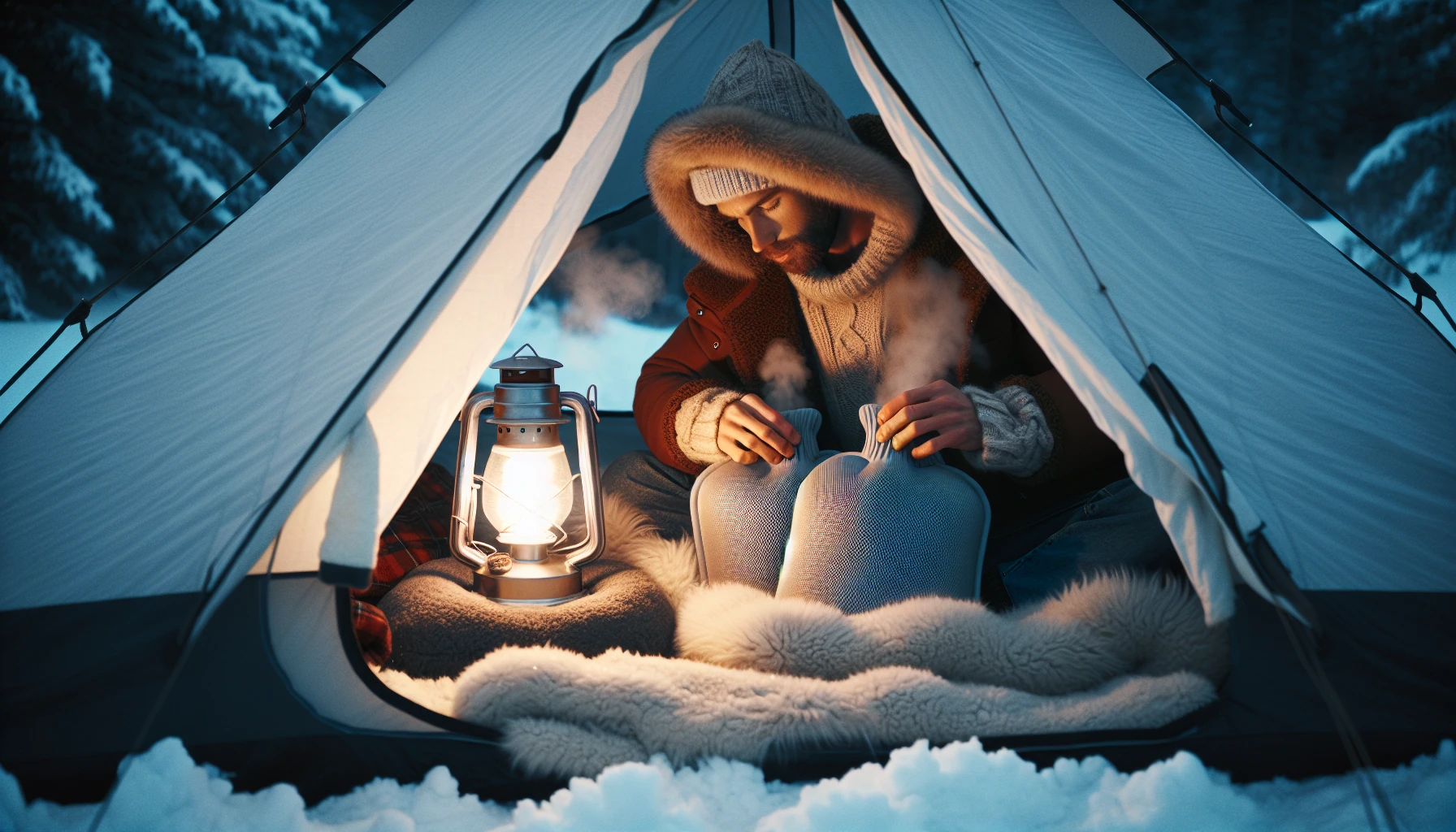
Maintaining warmth inside your tent is pivotal for a pleasant and enjoyable winter camping experience. One effective strategy for maintaining warmth within your tent is to insulate it by using a durable, weather-resistant material and ensuring a taut pitch. Another helpful tip is to utilize a hot water bottle, which can effectively radiate heat and provide warmth during winter camping. Strategic placement of the hot water bottle near your core, inner thigh, and neck can help maintain warmth and increase overall comfort.
Finally, constructing a multi-layered sleep system can assist in preserving warmth throughout the night. In addition to your sleeping bag, consider adding a sleeping bag liner and extra blankets to trap heat and provide added insulation. Wearing warm socks, a balaclava, and cozy layers to bed can also help retain body heat and keep you comfortable as you sleep.
Maintaining Warmth Through Clothing and Accessories
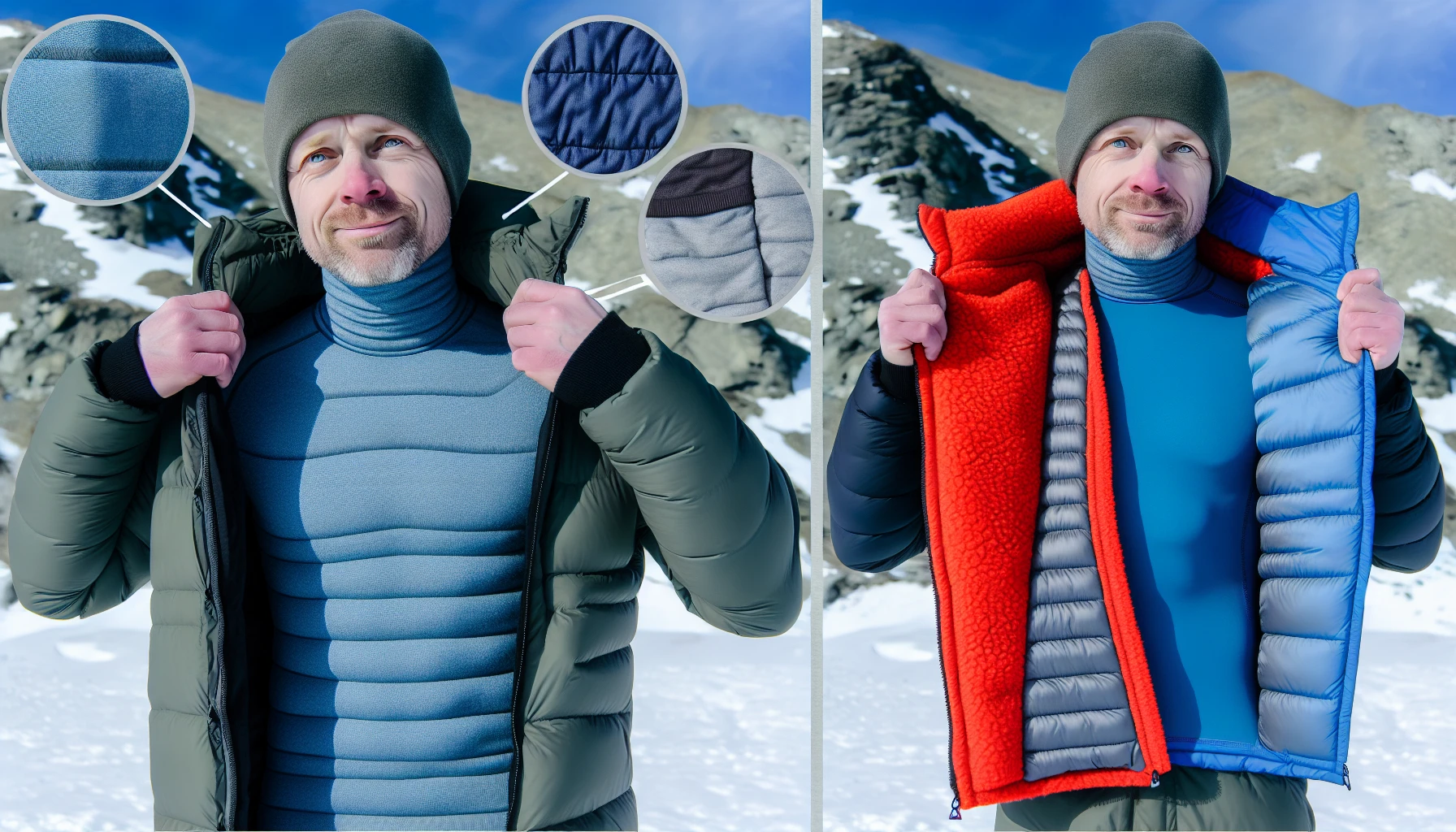
Appropriate attire and accessories are imperative for maintaining warmth and comfort during winter camping. Layering is key, as it helps to trap body heat and can be easily adjusted to suit changing weather conditions. Here are some key clothing items to consider:
-
Base layer: Made of moisture-wicking materials such as polyester or merino wool, this layer helps to keep your skin dry and warm.
-
Middle layer: A fleece or other insulating material provides additional warmth.
-
Outer layer: A waterproof shell protects against wind and precipitation.
By layering your clothing and choosing the right materials, you can stay warm and comfortable during winter camping.
Additional accessories like hand and foot warmers can provide extra warmth and comfort during cold weather camping. Some essential items to pack for your winter camping adventure include:
-
Waterproof and insulating winter boots
-
Wool socks
-
Beanies
-
Mittens
By dressing appropriately and using the right accessories, you can maintain warmth and fully enjoy your cold-weather camping experience.
Nutrition and Hydration in Cold Weather Camping
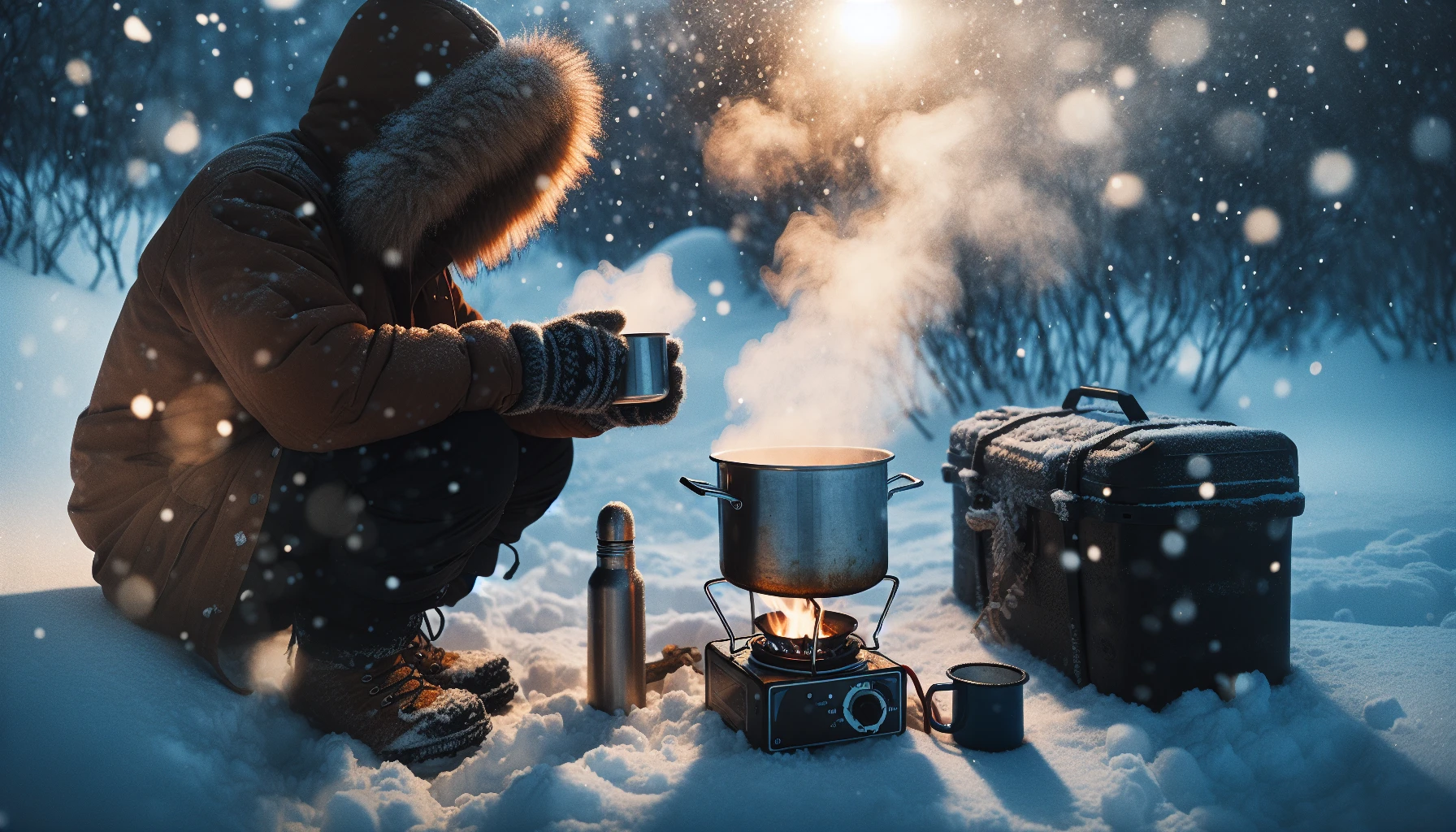
Sustenance and hydration significantly contribute to maintaining warmth and energy levels during winter camping. Consuming hot drinks and meals not only provides much-needed warmth but also helps to stay hydrated and energized throughout your adventure.
Melting snow for drinking water is a practical way to ensure adequate hydration during winter camping.
Hot Drinks and Meals
Hot beverages and meals are vital for maintaining warmth and energy during cold weather camping. Enjoy a variety of hot beverages, such as:
-
Campfire Bourbon Toddy
-
Tahini Campfire Hot Chocolate
-
Warm spiced orange juice
-
Moroccan mint tea
-
Hot chocolate
-
Irish coffee
-
Mulled cider
These delicious and warming drinks can help to hydrate the body, raise internal body temperature, and improve morale.
Recommended winter camping meals include:
-
Cast Iron Chili and Cornbread
-
Hatch Green Chile Stew
-
One-Pot Chili
-
Risotto with Chicken
-
Cast Iron Pizzas
-
Steaks cooked in a cast iron skillet
-
Cornish game hens
-
Biscuits and muffins
These meals not only provide warmth and energy but are also easy to prepare in cold weather conditions. By consuming hot drinks and meals, you can stay hydrated and maintain energy levels for a more enjoyable winter camping experience.
Protecting Your Food and Water From Freezing
Guarding your food and water against freezing is key during winter camping. Here are some tips to prevent freezing:
-
Store food and water close to your body to keep them from freezing.
-
Use insulated containers to keep your food and water insulated.
-
Sleep with water bottles to prevent them from freezing overnight.
-
Choose food that won’t freeze easily, such as canned goods or dehydrated meals.
-
Carry energy bars and gels in your pockets to keep them warm and accessible.
By following these winter camping tips, you can ensure that your food and water stay unfrozen during your trip.
In addition to these strategies, consider using insulated coolers or bags to store food and water, and a closed-cell foam pad and self-inflating pad for insulation from the cold ground. By taking these precautions, you can ensure that your food and water remain unfrozen and safe to consume throughout your winter camping adventure.
Creating a Safe and Comfortable Campsite
The position of your winter campsite significantly impacts your overall comfort and safety. Here are some factors to consider when selecting a winter camping location:
-
Research local average temperatures and weather conditions to ensure adequate preparation for the cold.
-
Avoid avalanche zones and areas with heavy snow-covered branches that may present a safety hazard.
-
Look for a location that is sheltered from winter winds and blowing snow to create a more comfortable campsite.
-
Proximity to your home and travel time are also important factors to consider.
-
Choose a location that offers natural wind breaks, such as trees or large rocks, to provide additional protection from the elements.
To set up a safe and comfortable campsite, clear away any snow and flatten the site with your tools or boots. Set up your tent properly by digging holes around the tent, placing stakes in them horizontally, attaching the lines, and packing down the snow. Ensure that your tent is well-ventilated to avoid condensation from accumulating within the tent. By following these guidelines, you can create a safe and comfortable campsite for your winter camping adventure.
Handling Nature’s Challenges: Snow and Ice Management
Handling snow and ice is an unavoidable aspect of winter camping. Regularly clear your tent and gear of snow and ice to prevent moisture buildup and potential damage. A snow shovel, ice scraper, and roof rake are essential tools for managing snow and ice during your winter camping trip.
To keep your camping gear dry and functional, remove any excess snow and ice from zippers, fabrics, and structures. Drying items as needed will also help prevent moisture buildup, ensuring your gear stays in good working order throughout your winter camping adventure.
By managing snow and ice effectively, you can enjoy a more comfortable and stress-free winter camping experience.
Utilizing Technology and Extras for Extra Comfort
Utilize modern devices and extras to boost your comfort during winter camping. Heated gloves and rechargeable hand warmers are excellent additions to your winter camping gear, providing extended heat duration, enhanced functionality, and environmental friendliness. Some hand warmers even come with USB charging ports, making them a practical and versatile choice for outdoor adventures.
Other heated camping gear, such as portable heaters and heated sleeping bags, can also contribute to a more comfortable winter camping experience. By utilizing technology and extras, you can stay warm and cozy, allowing you to fully enjoy your winter camping adventure.
Adapting to the Cold: Behavioral Tips for Winter Campers
Adjusting to the cold is necessary for a successful winter camping trip. Engaging in light physical activities prior to sleeping can help raise your body temperature, keep you warm during the night, and reset your circadian rhythms for a more restful sleep. Examples of exercises to stay warm include:
-
brisk walking
-
running
-
shoveling snow
-
push-ups
-
jumping jacks
Another important tip is to empty your bladder before going to bed. This prevents the need to leave your warm sleeping bag during the night and helps you stay warm. If you do require relief during the night, use a designated pee bottle or pee funnel for convenience and warmth. Vent your tent during the night to prevent condensation from accumulating inside. By following these behavioral tips, you can better adapt to the cold and enjoy a more comfortable winter camping experience.
Summary
Winter camping can be a truly magical experience, allowing you to connect with nature in its most peaceful and pristine state. By choosing the right gear, preparing for unpredictable weather, staying warm through proper clothing and accessories, maintaining nutrition and hydration, creating a safe campsite, managing snow and ice, and adapting to the cold, you can embark on a cozy, safe, and unforgettable winter camping adventure. So, gather your gear, embrace the cold, and let the wonders of winter camping inspire and rejuvenate your spirit.
Frequently Asked Questions
How cold is too cold for winter camping?
40°F and below is generally considered too cold for winter camping. Most pro campers agree that temperatures below 40° F will start to feel uncomfortable, so it’s best to plan accordingly.
Is camping a good idea in winter?
Winter camping can be an enjoyable and rewarding experience as it provides the opportunity to explore nature in all its serene beauty without the bugs and crowds of summertime. However, cold weather camping requires preparation and knowledge to ensure comfort and safety.
What do you sleep in in cold-weather camping?
For cold-weather camping, you’ll need a sleeping bag with a temperature rating suitable for the area you’ll be camping in, plus hand warmers and two sleeping pads for added insulation. Remember to layer both over and underneath to keep warm.
What is winter camping called?
Winter camping is also referred to as cold camping or hot tent or shelter camping. The differences between a regular and 4-season tent are thicker material and heavier flies for the latter, which are used when winter camping.
What are the essential elements to consider when selecting winter camping gear?
When selecting winter camping gear, a suitable tent, a quality sleeping bag, and adequate insulation are essential components to keep in mind.