
Imagine gliding through picturesque winter landscapes, feeling the crisp air on your face, and experiencing a full-body workout that’s gentle on your joints yet exhilarating for your spirit. Welcome to the world of cross country skiing! In this comprehensive guide, you’ll learn about the rich history of this captivating sport, master the art of classic and skate skiing techniques, discover top destinations to hit the trails, and get essential tips on selecting the right gear and preparing for your skiing adventure. So, let’s get ready to embrace the snow and embark on a journey that combines fitness, fun, and camaraderie!
Key Takeaways
-
Exploring the origins of cross country skiing as a beloved Olympic sport
-
Outlining fundamentals of classic and skate skiing techniques
-
Highlighting destinations, essential equipment, tips & safety measures for successful ski experiences
Exploring the Roots of Cross Country Skiing
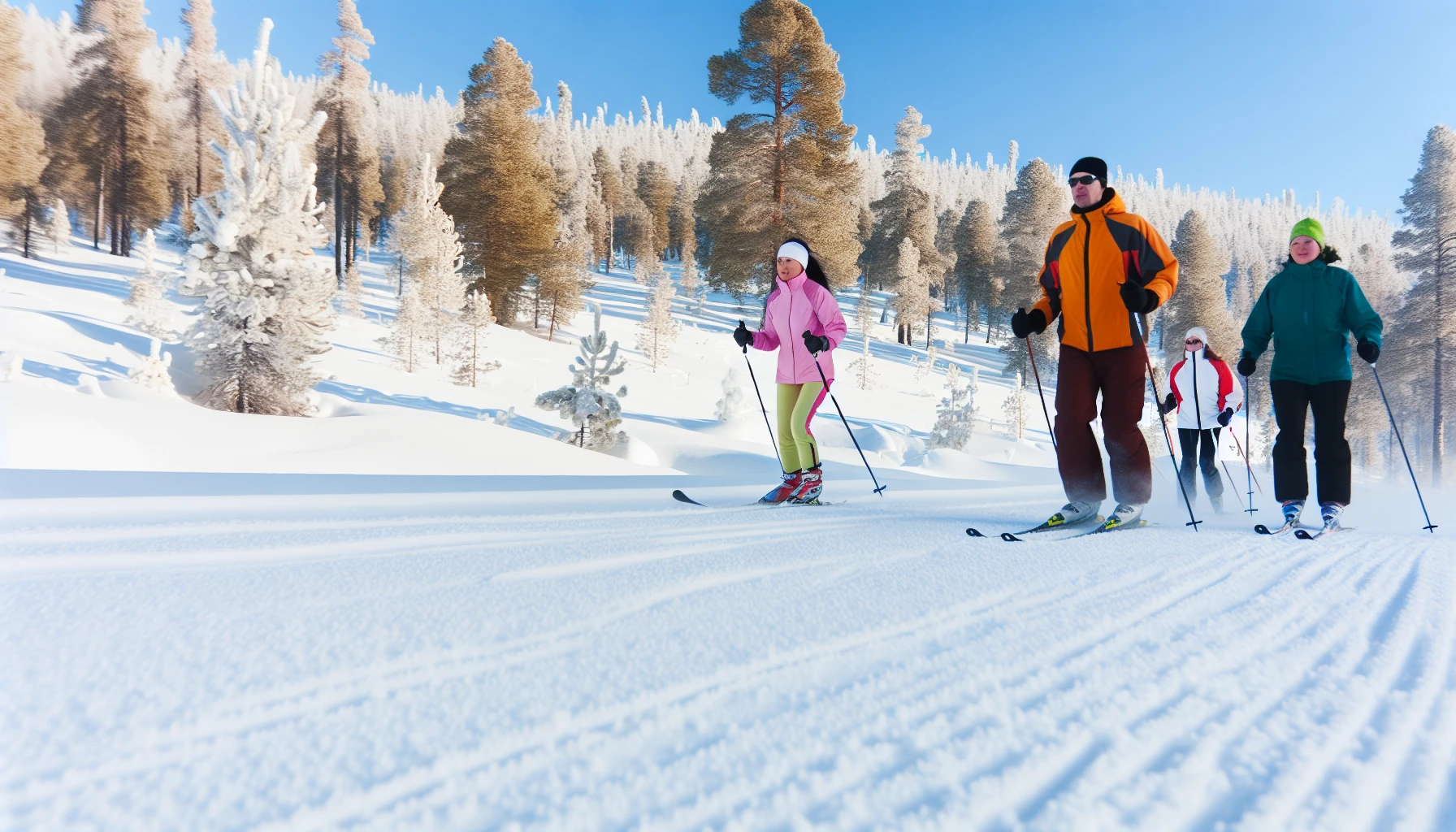
Cross country skiing has a fascinating history that dates back to its origins in Norway, where it began as a means of transportation across snow-covered landscapes, including hiking trails during winter. Over time, it has evolved into a popular Olympic sport, with professional ski instructors teaching the techniques to aspiring skiers worldwide. Today, classic cross country skiing remains a beloved pastime for many who appreciate its rich heritage and enjoy exploring the snow-covered landscapes through this timeless form of cross country skiing.
The sport has come a long way since its inception, transitioning from a mode of travel to an engaging and competitive activity enjoyed by millions.
A Norwegian Legacy
The ancient roots of skiing can be traced back to the Stone Age in Norway when the Vikings utilized skis to traverse the snowy terrain. The word “ski” itself is derived from the Old Norse word “skíð,” which translates to “cleft wood,” “stick of wood,” or simply “ski”.
Traditional skis used in Norway comprised one short ski with a natural fur traction surface, the andor, and one long for gliding, the langski. These early skis allowed the Vikings to travel long distances, maintain social contact between isolated settlements, and even conduct military exercises.
From Ancient Times to Olympic Glory
The sport of skiing has witnessed significant evolution since its humble beginnings. From Norwegian army units initiating the first cross country skiing competitions in the 18th century to the inclusion of a separate cross country race in the famous Holmenkollen ski festival in 1901, cross country skiing has cemented its place in the world of sports. Today, alpine skiing has also gained popularity, showcasing the diverse range of skiing disciplines.
The inclusion of cross country skiing in the Winter Olympic Games, with the men’s event debuting in 1924 and women’s event in 1952, further showcased the sport’s appeal and versatility. Today, cross country skiing enjoys a strong presence in the Winter Olympics, attracting athletes and enthusiasts from around the globe.
The Art of Gliding on Snow: Cross Country Techniques
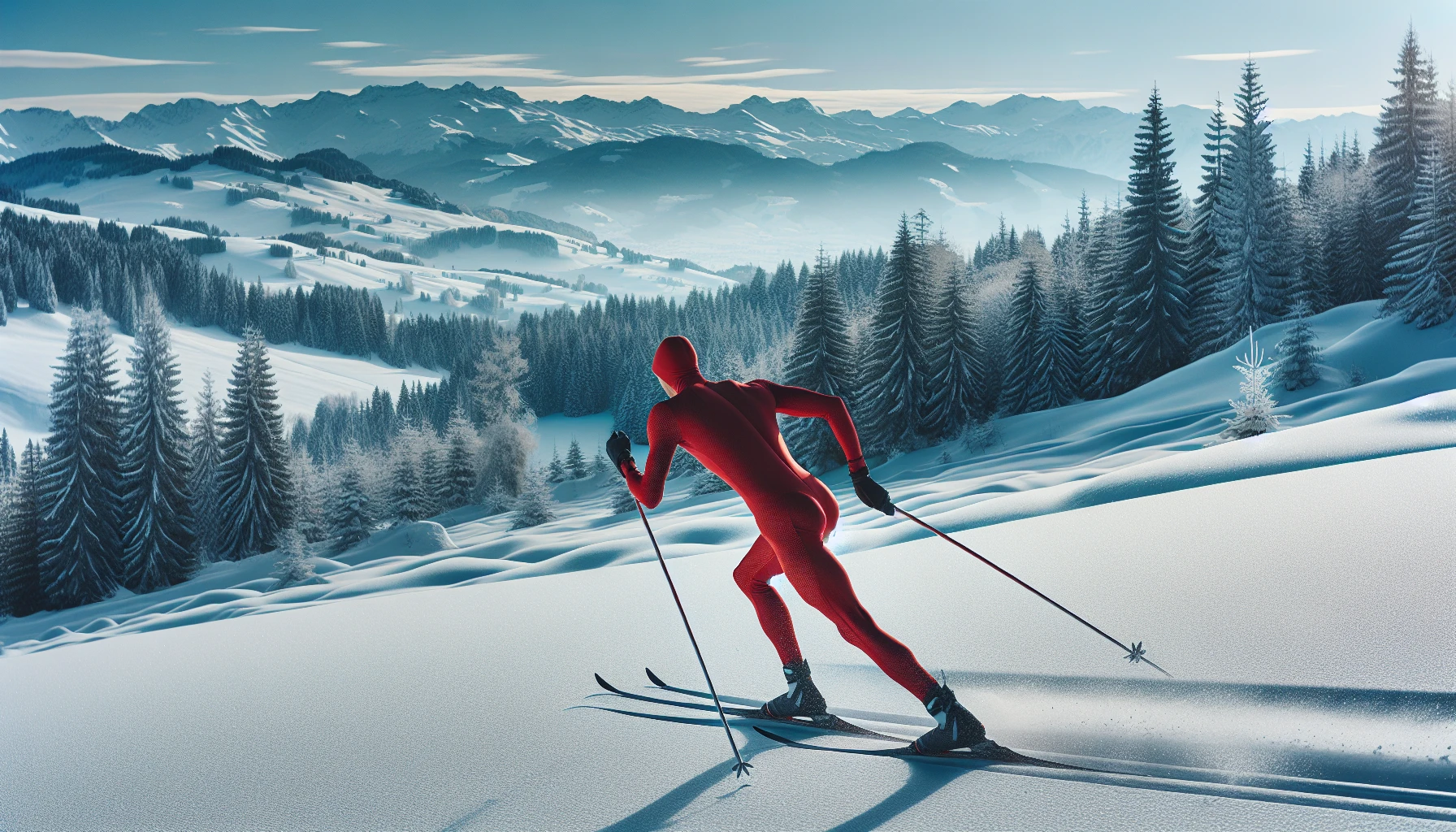
Mastering the art of cross country skiing involves learning two primary techniques: classic and skate skiing. While both techniques offer a unique style and skill set, they share a common foundation in their use of poles to propel the skier forward.
Subsequent sections will detail the nuances of classic and skate skiing, providing insights into their distinct characteristics and helping you choose the technique that best suits your preferences and abilities.
Mastering the Classic Technique
The classic technique is characterized by a diagonal stride, making it suitable for both groomed trails and unprepared terrain. Mastering this technique requires focusing on the striding and gliding motion, alternating foot to foot as you glide across the snow. When tackling uphill terrain in classic skiing, different techniques are employed:
-
“Side step” for steep slopes
-
“Herringbone” for moderate slopes
-
Diagonal technique with shorter strides and greater arm force on the poles for gentle slopes
The Dynamics of Skate Skiing
Skate skiing offers a more dynamic technique, requiring skiers to push off at an angle similar to ice skating. This style was popularized by American skier Bill Koch following his success in the 1982 Cross-country Skiing Championships. Skate skiing engages multiple muscle groups, including:
-
the front and back
-
hip flexors
-
core muscles
-
shoulders
This provides an intense aerobic workout while challenging your balance and coordination.
This technique is well-suited for groomed trails and packed snow on flat ground, allowing for faster speeds and a more exhilarating experience on a hiking trail.
Where to Embark on Your Cross Country Journey
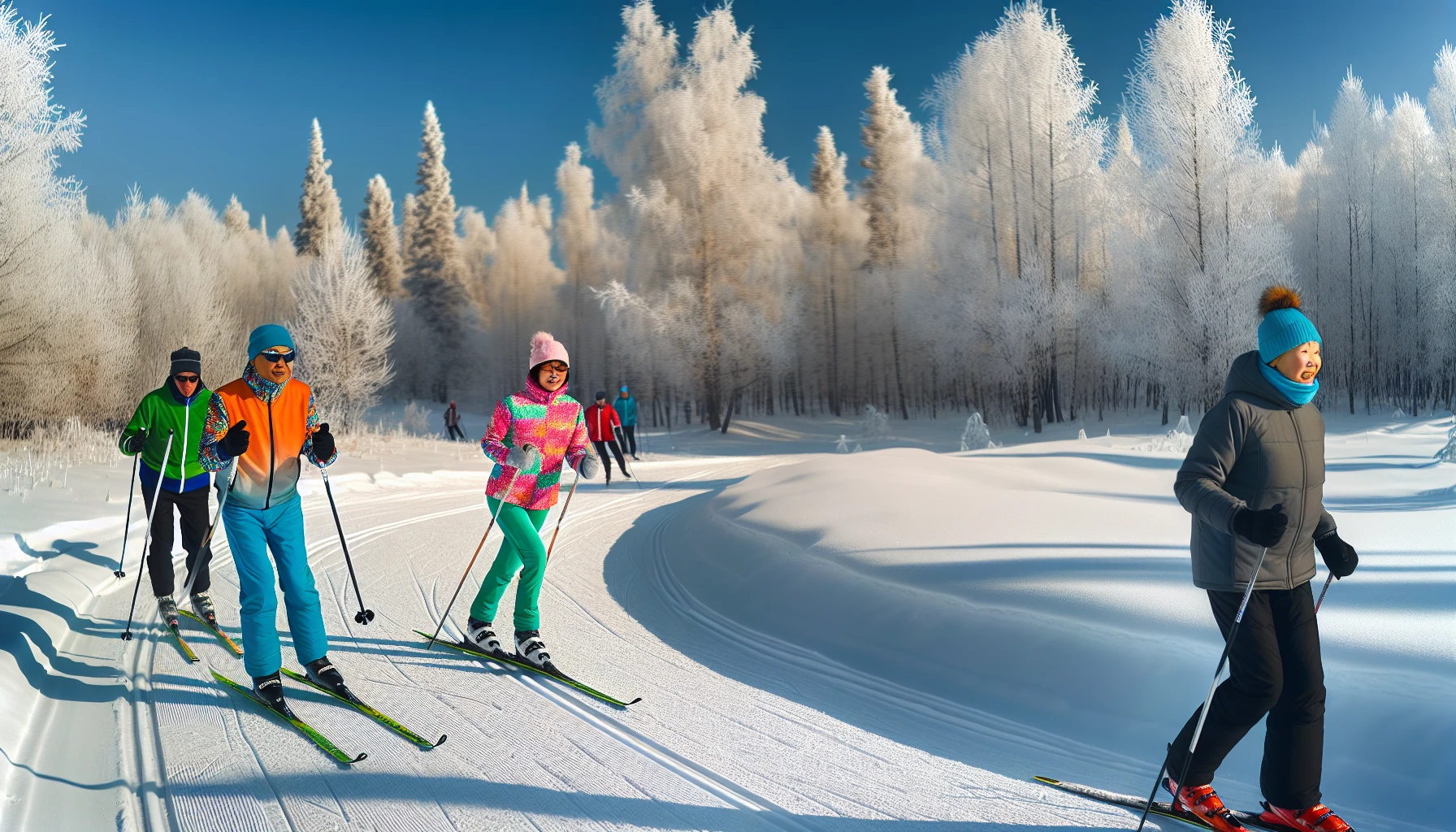
On starting your cross country skiing journey, you’ll discover many scenic resorts, groomed trails, and parklands that cater to both novice and experienced skiers alike. Whether you’re looking for a tranquil retreat in the mountains or a thrilling adventure on challenging terrain, there’s a perfect destination for every cross country skier.
The subsequent section will highlight some of the top destinations for cross country skiing, helping you plan your next unforgettable skiing getaway.
Top Destinations for Cross Country Skiers
Cross country skiing enthusiasts are spoiled for choice when it comes to breathtaking destinations. Some popular locations include:
-
Aspen, Colorado
-
Jackson Hole, Wyoming
-
Stowe, Vermont
-
Whistler, British Columbia (Canada)
-
The Laurentian Mountains, Quebec (Canada)
-
Holmenkollen, Norway
-
Seefeld, Austria
These destinations offer picturesque trails and an unforgettable experience for cross country skiers.
Each of these destinations provides a unique setting and diverse terrain, catering to skiers of all skill levels. From serene forests to challenging mountain trails, you’re sure to find the perfect backdrop for your cross country skiing adventure. So, strap on your skis and get ready to explore the beauty of nature while gliding through pristine, snow covered terrain and snow-covered landscapes.
Gear Up: Essential Equipment for Cross Country Skiing

Having the right equipment is a necessity for fully enjoying and excelling in cross country skiing. Essential gear includes:
-
Skis
-
Boots
-
Bindings
-
Poles
Variations in gear may depend on factors such as terrain and skill level. Selecting the appropriate gear not only enhances your comfort and control on the snow but also ensures compatibility with your chosen skiing technique.
Subsequent sections will offer a detailed guide to assist in choosing the right equipment for your cross country skiing adventures.
Choosing the Right Cross Country Skis
Selecting the right cross country skis depends on factors like your weight, skill level, and intended use. There are three main types of cross country skis: classic style, skating style, and backcountry style. Your weight plays a significant role in determining the ski length and flex that will provide the best combination of grip and glide. Taking these factors into account is important for optimal performance and enjoyment on the trails.
Also, your choice of cross country skis is influenced by your skill level. As you progress in the sport, you may opt for longer skis for improved speed or choose skis designed for specific techniques, such as classic or skate skiing. By considering your unique needs and preferences, you can select the perfect skis to help you glide effortlessly on the snow.
Boots and Bindings: The Connection to Comfort and Control
Boots and bindings are vital components of your cross country skiing gear, providing a strong connection between you and your skis. Choosing the right boots ensures comfort, control, and compatibility with your skis and bindings. To guarantee an accurate fit, it is recommended to visit a boot fitter and try on various sizes and styles.
When it comes to bindings, there are several systems available, including:
-
NNN (New Nordic Norm)
-
SNS (Salomon Nordic System)
-
Prolink
-
Turnamic
-
Three-pin bindings
It’s essential to select a binding system that is compatible with both your boots and skis for the optimal cross country skiing experience.
By investing in the right boots and bindings, you’ll enjoy greater comfort and control on the snow, allowing you to focus on perfecting your technique and exploring new trails.
Preparing for the Trail: Tips and Safety Measures
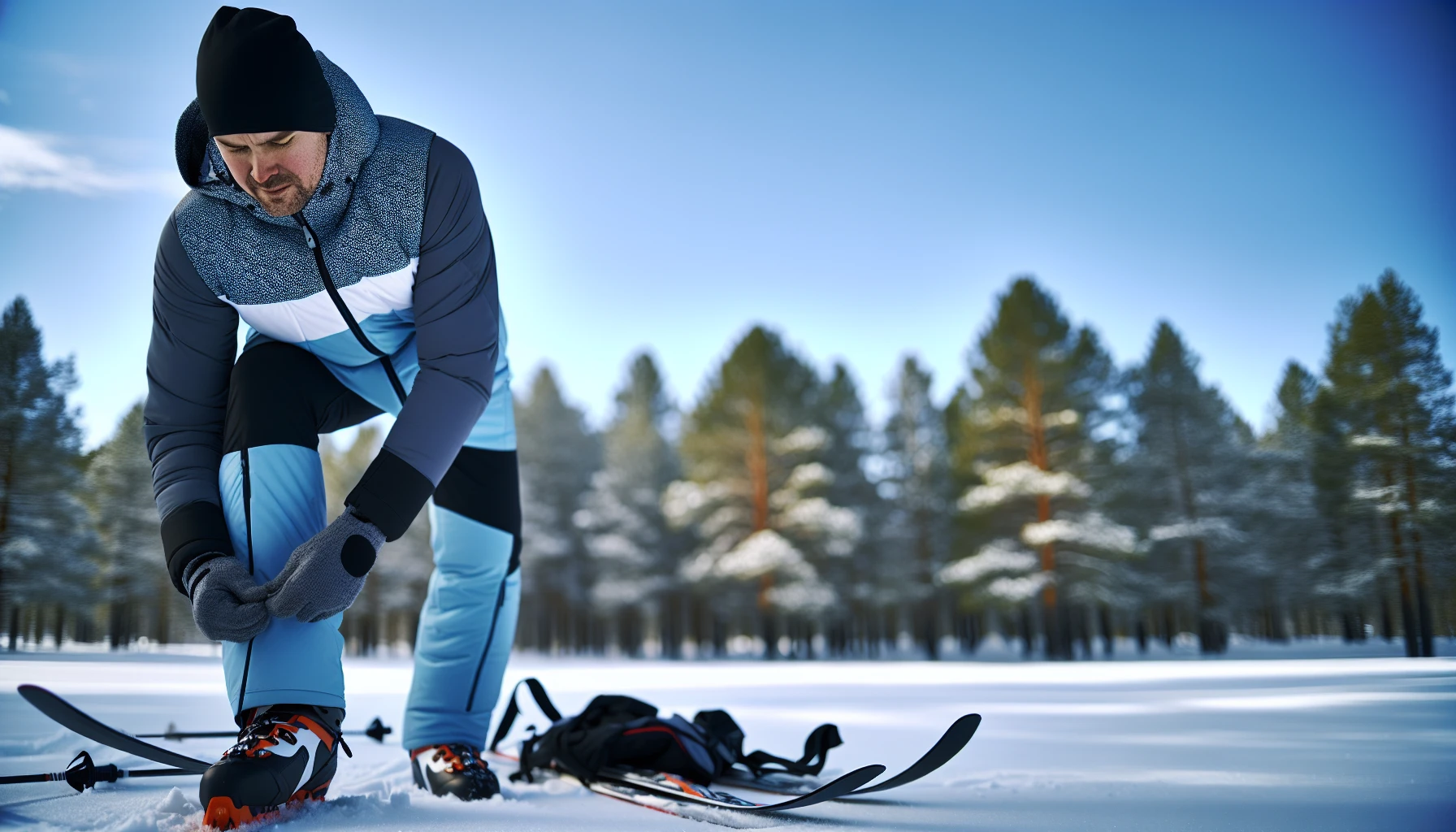
As you embark on your cross country skiing adventure, it’s essential to prepare for the trail with the appropriate attire, navigation skills, and safety measures. Dressing appropriately for the weather conditions and selecting the right equipment for your chosen technique will ensure a comfortable and enjoyable experience on the snow.
The following sections will offer tips on dressing appropriately, confidently navigating trails, and ensuring safety during cross country skiing.
Dressing for Success on the Snow
Layering and selecting the right clothing materials are crucial for staying warm and comfortable during your cross country skiing session. Here are some tips to help you stay comfortable:
-
Begin with a moisture-wicking base layer.
-
Add a mid-layer for insulation.
-
Wear an outer layer for protection against wind and water.
-
Opt for breathable and moisture-wicking fabrics like merino wool to keep you dry and comfortable during your ski.
Also, protecting your head with a hat or headband is important, wear gloves or mittens to shield your hands, and wear sunglasses or goggles to protect your eyes from the sun and wind. By dressing appropriately for the weather conditions and adjusting your attire as needed, you’ll be well-prepared to tackle any trail with confidence and ease.
Navigating the Trails with Confidence
To confidently navigate trails while cross country skiing, awareness of safety guidelines is necessary, understanding common hazards, and knowing how weather conditions can affect trail conditions. By familiarizing yourself with the terrain and following proper etiquette, you can avoid potential hazards and enjoy a safe and enjoyable skiing experience.
One key safety measure is to always ski within your ability level and progress gradually as you gain skills and confidence. It’s also important to stay informed about weather conditions and possible hazards on the trails, such as icy patches, fallen trees, or wildlife encounters. By following these safety tips and staying vigilant, you can confidently navigate the trails and relish the exhilarating experience of cross country skiing.
Cross Country Skiing as a Social and Fitness Activity
Cross country skiing provides numerous health benefits, making it a fantastic choice for those seeking a fun and enjoyable way to stay fit during winter months. The sport provides:
-
A comprehensive physical workout
-
Enhanced cardiovascular health
-
Augmented muscle strength
-
Calorie burning
-
Joint-friendly exercise
-
Improved coordination
Also, cross country skiing is known to positively impact mental health and well-being, including stress reduction, mood enhancement, and increased energy levels.
The Health Benefits of Striding and Gliding
Cross country skiing offers a low-impact, full-body workout that engages multiple muscle groups, including:
-
the legs
-
the core
-
the arms
-
the shoulders
The sport’s aerobic nature and high intensity contribute to improved cardiovascular endurance and heart health. Furthermore, the gentle, gliding motion of cross country skiing is kind to your joints, making it an excellent option for individuals seeking a low-impact form of exercise.
Beyond its physical benefits, cross country skiing can also have a positive impact on mental health and well-being. The fresh air, picturesque views, and peaceful surroundings of the sport can help reduce stress and promote relaxation. By embracing the health benefits of cross country skiing, you’ll discover a rejuvenating and rewarding fitness activity that nurtures both your body and mind.
Community and Camaraderie Among Skiers
Cross country skiing fosters a strong sense of community and camaraderie among its enthusiasts. From local clubs to international events, skiers often form close-knit connections with fellow aficionados, sharing experiences, advice, and encouragement. This sense of fellowship and mutual enjoyment adds to the overall satisfaction of the sport, making it a convivial and entertaining experience for skiers of all levels.
Through participation in local and international cross country skiing events, including ski marathons, skiers can further strengthen their sense of camaraderie and benefit from the support of a like-minded community. As you progress in your xc skiing journey, you’ll not only enjoy the exhilarating sensation of gliding on the snow but also gain valuable friendships and connections within the skiing fraternity.
Summary
In conclusion, cross country skiing is a captivating sport that offers a unique blend of fitness, fun, and camaraderie. From its ancient origins in Norway to its modern-day popularity in the Winter Olympics, cross country skiing has captured the hearts of millions around the world. By mastering classic and skate skiing techniques, exploring top destinations, and gearing up with the right equipment, you’re well on your way to embarking on an unforgettable skiing adventure. So, grab your skis, hit the trails, and experience the exhilarating world of cross country skiing!
Frequently Asked Questions
What is cross country skiing also known as?
Cross country skiing is commonly referred to as Nordic skiing, and is inclusive of touring, metal-edge touring, and skate skiing. It is often abbreviated as XC.
How do you cross country ski for beginners?
To begin cross country skiing, bring your feet together and step with your tails together in a full circle to get used to body positions. Start slow and gradually increase your speed.
What is traditional cross country skiing?
Classic cross-country skiing is the traditional discipline of Nordic skiing, recognizable by the diagonal stride technique. It’s easy to learn, regardless of snow quality, making it a great way to get started with Nordic skiing.
How do you fall on cross country skis?
When falling on cross country skis, start by positioning your skis across the trail to keep from sliding. Use your hands or a pole to pivot your body around your hips in order to get back up.
What are the primary techniques used in cross country skiing?
Cross country skiing utilizes two primary techniques: classic and skate skiing.