
Are you ready to conquer the slopes? Snowboarding is an exhilarating winter sport that attracts thrill-seekers of all skill levels. From its humble beginnings to the breathtaking stunts performed by professionals, snowboarding has captured the hearts of countless enthusiasts. In this blog post, we’ll take you on a thrilling ride through the world of snowboarding, exploring its history, essential gear, techniques, training tips, and the vibrant culture that surrounds it. So, strap in and let’s get started!
Key Takeaways
-
Experience the thrill of snowboarding with essential tips for all skill levels!
-
Master control, style & tricks to take your skills up a level and conquer the halfpipe!
-
Gear up, train off season & pack essentials for an epic adventure at the perfect resort!
The Evolution of Snowboarding
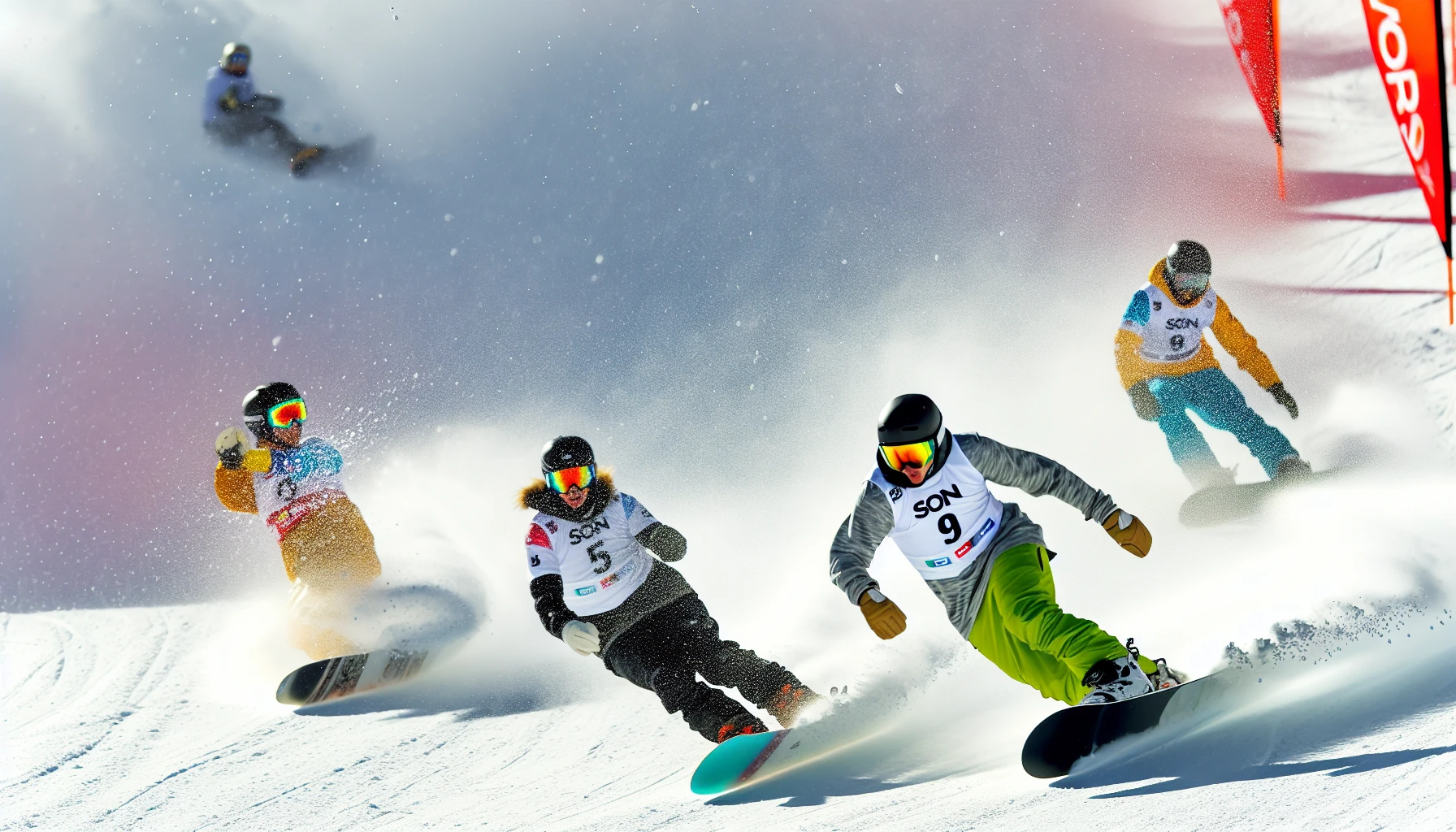
Snowboarding has come a long way since its inception in the 1960s in the United States, where it gained crossover appeal with surfers and skateboarders. Its popularity skyrocketed, leading to the establishment of organizations like the International Snowboarding Federation to govern the sport. In a relatively short period, snowboarding made its exciting Olympic debut in 1998, featuring both men’s and women’s snowboarding events such as giant slalom and halfpipe competitions.
The sport’s rapid rise can be attributed to its unique blend of skiing, surfing, and skateboarding elements, creating a fresh and exhilarating riding style that captivated riders and spectators alike. Its widespread appeal brought snowboarding from the mountains to the mainstream, with snowboard cross, slopestyle, and big air events drawing in huge crowds and global attention.
The Birth of a New Riding Style
Sherman Poppen, the “father of the snowboard,” invented the Snurfer in 1965, paving the way for the sport we know and love today. Early snowboard designs were heavily influenced by surfing, skateboarding, and skiing, with pioneers like Tom Sims and Dimitrije Milovich refining the boards to optimize performance and versatility.
Despite initial resistance from ski resorts and challenges faced during its acceptance, trailblazers like Shawn Farmer and Craig Kelly pushed the boundaries and gained recognition for snowboarding, ultimately shaping its unique riding style and carving a path for future generations of riders.
From Mountains to Mainstream
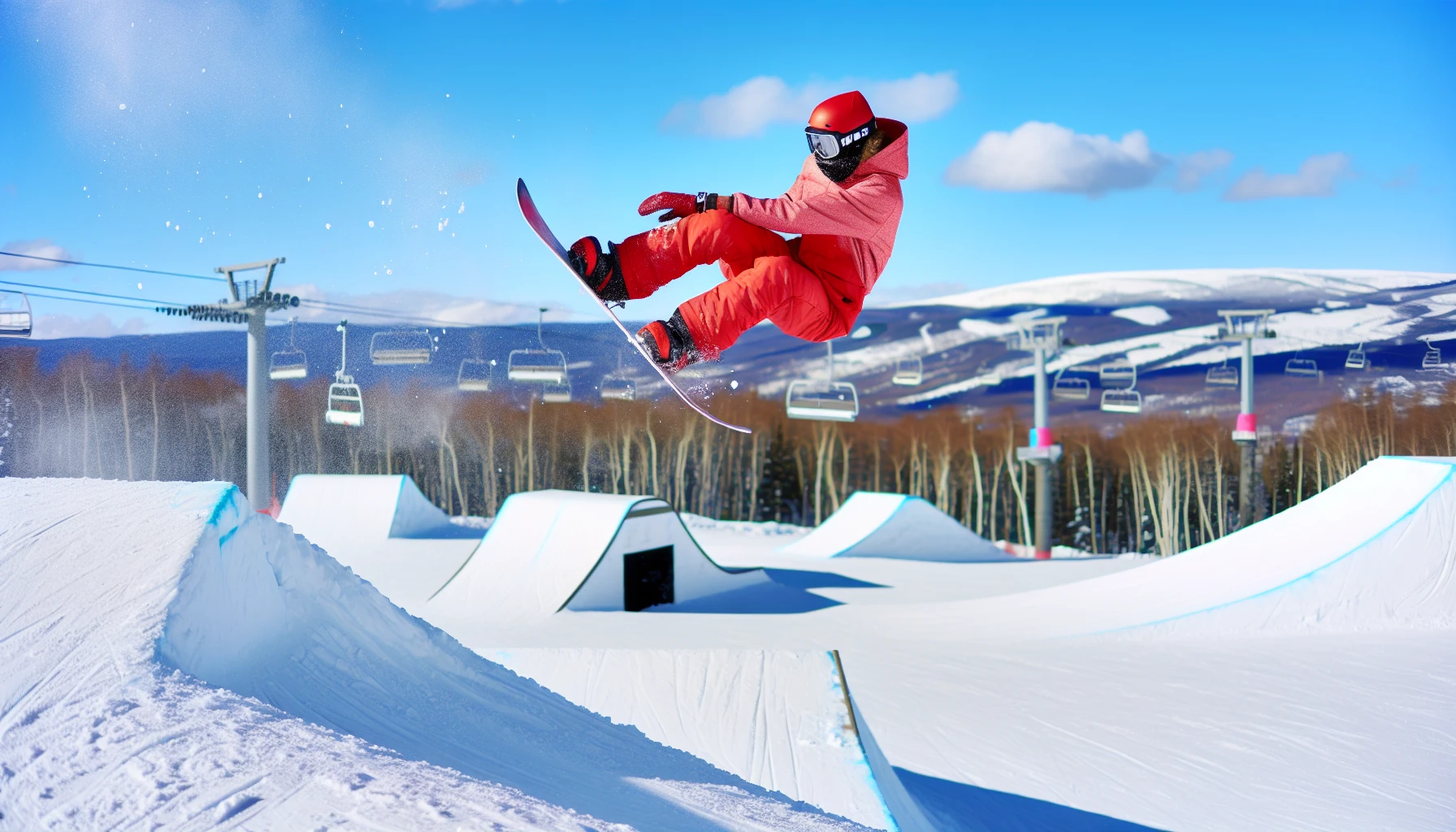
The snowboarding community’s persistence and passion led to a turning point when Dimitrije Milovich’s Winterstick caught the attention of Newsweek magazine in 1975. This exposure propelled snowboarding into the limelight, and its inclusion in the Nagano Games during the 1998 Winter Olympics solidified its status as a mainstream sport, marking one of the most memorable Olympic debuts.
Today, snowboarding is widely accepted at ski resorts worldwide, with many offering specialized snowboarding packages and lessons for beginners. The sport’s continuous evolution and growth have fostered a thriving community that celebrates individualism, creativity, and the pure joy of riding.
Gear Up for the Ride
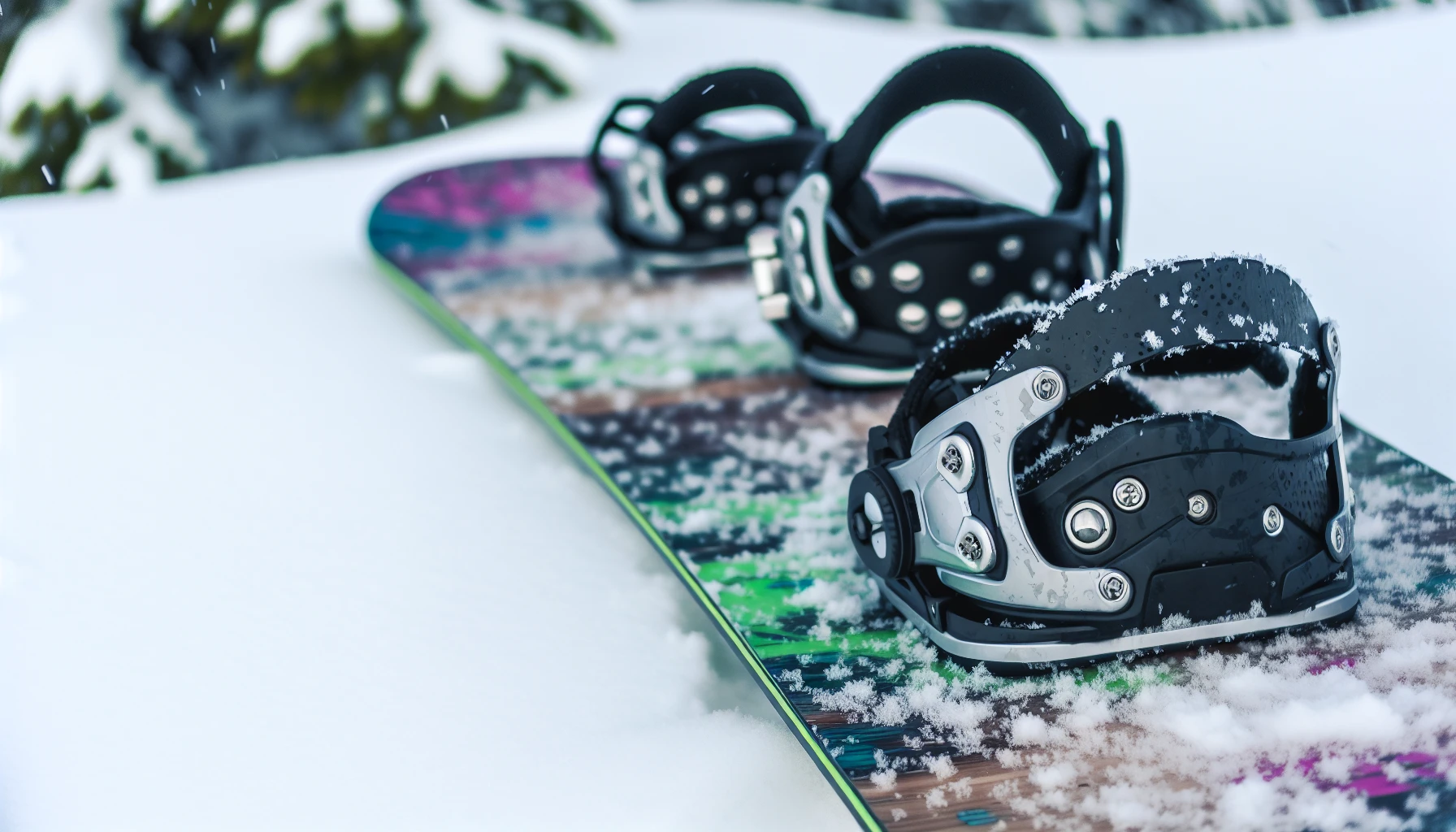
Having the right gear is fundamental for a safe and enjoyable experience before you hit the slopes. The selection of your snowboard, bindings, and boots will greatly influence your performance and comfort.
The next sections will walk you through the process of picking the right snowboard and grasping the basics of bindings and boots, ensuring you are well-prepared and ready for action.
Selecting Your Snowboard
Consider your skill level and riding style while selecting a snowboard. There are various types of snowboards to suit different preferences, such as freeride, freestyle, and all-mountain boards. For beginners, look for a board with a camber profile for stability and control, a mid-flex rating for responsiveness, and a width that matches your foot size.
Remember, it’s highly recommended to try on the snowboard before buying, so you can be confident it’s the perfect fit for you.
Binding and Boot Basics
Appropriate bindings and boots are vital for ensuring a comfortable and controlled snowboarding experience. Here are some tips for setting up your bindings:
-
Choose the style of bindings that suits you best, such as strap-in or speed entry.
-
Consider the flex options available and choose the one that matches your skill level and preferences.
-
When setting up your bindings, start with a duck stance, which means your feet are angled outward.
-
Adjust the straps to ensure a secure fit.
As for boots, finding the right size is essential for both comfort and performance, so take the time to try on different options and ensure a snug fit. With the right gear in place, you’ll be ready to tackle the mountain with confidence!
Mastering the Basics
Mastering the fundamentals of snowboarding is a prerequisite before moving on to advanced techniques. Fundamental skills such as:
-
balance
-
flexibility
-
strength
-
coordination
-
the ability to fall properly
Proper planning, equipment, and the company of the four riders are all essential for achieving instant success in a riders race.
The subsequent sections will aid you in determining your stance and understanding the basics of turning, setting the foundation for an enjoyable snowboarding experience.
Finding Your Stance
Determining your stance is the first step in finding your snowboarding groove. Your stance can be regular (left foot forward) or goofy (right foot forward), and it significantly affects your riding style. Proper body alignment is also crucial for a comfortable and effective stance.
Align your hips parallel to the board, keep your knees relaxed and slightly bent over your feet, and maintain a quiet yet energetic upper body. Remember, practice makes perfect, so take the time to find your ideal stance and develop a strong foundation for your snowboarding journey.
The Fundamentals of Turning
Turning is an essential skill for managing your snowboard and navigating the slopes. The fundamental steps for turning include initiating the turn by shifting your weight, tipping the board on edge, and rotating your head, shoulders, and hips in the direction you want to turn. It’s essential to avoid common mistakes, such as rushing turns or leaning too far forward or back.
With practice and patience, you’ll soon master the art of turning, allowing you to confidently navigate the mountain and enjoy the thrill of snowboarding.
Advanced Techniques and Tricks
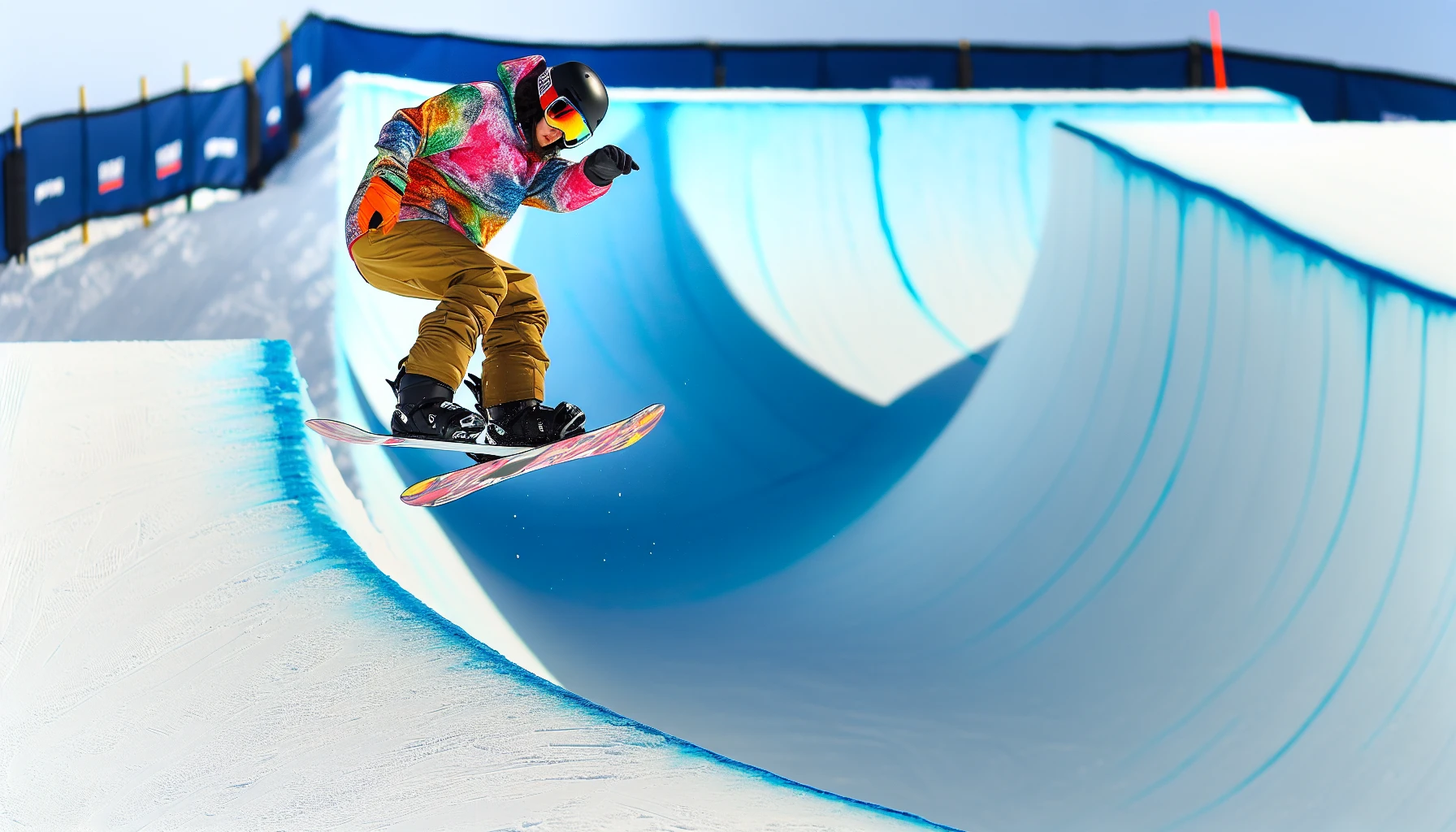
Once you’ve mastered the basics, you might be itching to learn some advanced techniques and tricks to take your snowboarding to the next level. The subsequent sections will provide tips for mastering the halfpipe and achieving slopestyle success. Remember, practice and persistence are key, so don’t be afraid to challenge yourself and push the limits of your snowboarding skills.
Conquering the Halfpipe
The halfpipe is an iconic feature of snowboarding competitions and a fantastic opportunity to showcase your aerial prowess. To master the halfpipe, focus on riding inside the pipe, making small turns along the bottom, and incorporating skateboarding tricks and rotations.
As you progress, experiment with new tricks and combinations to elevate your performance and impress onlookers. Remember to practice safety and always wear appropriate protective gear when attempting new maneuvers in the halfpipe.
Slopestyle Success
Slopestyle snowboarding combines elements of freestyle riding with a variety of jumps, rails, and other obstacles. To achieve slopestyle success, focus on:
-
Demonstrating control, stability, and mastery throughout your entire performance
-
Emphasizing style
-
Executing difficult and progressive tricks
-
Showcasing variety and amplitude.
Practice common slopestyle tricks, such as:
-
butter tricks
-
grabs
-
spins
-
flips
-
corks
-
rail slides
And learn from the techniques of successful slopestyle snowboarders like Mark McMorris and Anna Gasser, as well as those in parallel giant slalom.
Training for Peak Performance
Training both on and off the slopes is necessary for excelling at snowboarding. Building strength, flexibility, and endurance will significantly impact your performance and enjoyment on the mountain.
The upcoming sections will share tips for off-season training and on-snow drills to enhance your snowboarding skills and help you achieve your full potential.
Off-Season Training Tips
Off-season training is crucial for maintaining peak performance and preparing your body for the demands of snowboarding. Focus on exercises that strengthen your legs, core, and balance, such as squats, deadlifts, calf raises, split squats, and the clam exercise. Incorporate stretching and mobility exercises to improve flexibility and balance.
Don’t forget to engage in cardiovascular exercises like:
-
cycling
-
hiking
-
trail running
-
stand-up paddleboarding
to build endurance. By staying active and committed during the off-season, you’ll be ready to hit the slopes with confidence and skill.
On-Snow Drills for Improvement
When you’re on the mountain, practice specific on-snow drills and exercises to refine your snowboarding skills and technique. Some exciting drills include:
-
Squats
-
Jib training
-
Hop between turns
-
Muscle strengthening exercises
Edge control exercises, such as side slipping and falling leaf, can improve your turning accuracy and balance on the slopes. By dedicating time to practicing these drills, you’ll see noticeable improvements in your snowboarding performance and overall enjoyment on the mountain.
Snowboarding Culture and Community
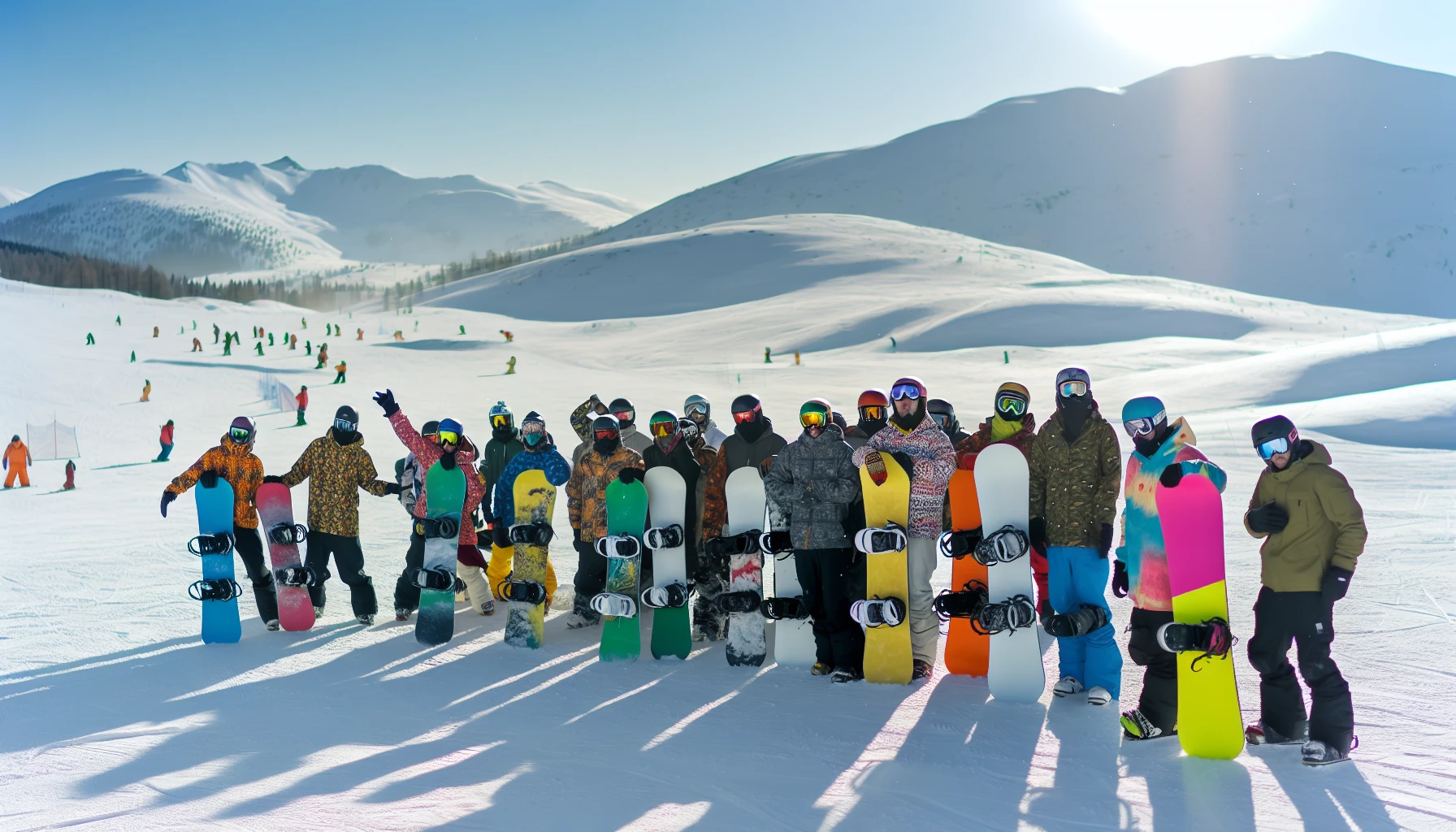
Snowboarding is not just a sport; it embodies a vibrant culture and community that honors creativity, individuality, and a shared passion for riding. The subsequent sections will delve into:
-
The unique facets of snowboarding culture
-
The significance of local scenes and global connections
-
Opportunities for competition
-
Viewing professional riders in action
Local Scenes and Global Connections
Local snowboarding scenes play a vital role in shaping the sport and fostering innovation, with influential local scenes like the Yawgoons crew, Salt Lake City, and Tahoe driving the evolution of board designs and riding styles. These tight-knit communities host events and competitions that contribute to the growth and progression of snowboarding as a sport.
Global connections in the snowboarding community have several benefits:
-
They invite diverse riders to share their love for the sport and learn from one another.
-
They enrich the snowboarding experience by exposing riders to different styles, techniques, and perspectives.
-
They foster a sense of unity among riders worldwide.
Embracing these local and global connections is essential for the growth and development of the snowboarding community.
Competing and Watching the Pros
If you’re inspired to take your snowboarding to a competitive level or simply enjoy watching the pros in action, there are numerous opportunities to get involved. Major snowboarding competitions like the FIS Snowboard World Championships and the Snowboard World Cup showcase incredible talent and skill from around the world. To break into professional snowboarding, focus on honing your skills, winning competitions, and attracting the attention of sponsors.
Whether you’re competing or spectating, being a part of the snowboarding community is an exhilarating and rewarding experience.
Preparing for the Mountain
Before setting off on your snowboarding adventure, spend some time to aptly prepare for the mountain. The following sections will present a checklist of essentials for your trip and provide tips on choosing an appropriate resort based on your skill level and riding preferences. With careful planning and preparation, you’ll be ready to hit the slopes and make the most of your snowboarding experience.
Packing Essentials for Your Snowboarding Trip
When packing for your snowboarding trip, ensure you have all the essentials to stay safe and comfortable on the mountain. This includes:
-
Ski-specific clothing like thick socks, warm gloves, hats, and a mask
-
A waterproof jacket and snow pants
-
Goggles
-
A helmet
-
Your snowboard and bindings
Don’t forget to pack a first aid kit with bandage wraps, gauze, cotton swabs, and other essentials for any unexpected injuries.
Lastly, bring along some tasty snacks to keep your energy levels up during your time on the slopes.
Choosing the Right Resort
Selecting the perfect resort for your snowboarding trip is an important decision. Factors to consider include:
-
Slope difficulty
-
Terrain
-
Facilities and amenities
-
Accessibility
-
Cost
-
Snow conditions
Ensure the resort matches your skill level and riding preferences, with beginner-friendly resorts offering gentle slopes and lessons for newcomers, while more advanced resorts provide challenging terrain and features to test your skills. By choosing the right resort, you’ll set the stage for an unforgettable snowboarding adventure.
Summary
We’ve taken you on an exhilarating journey through the world of snowboarding, from its humble beginnings to the cutting-edge techniques used by professionals. By understanding the sport’s history, mastering the basics, training effectively, and embracing the vibrant culture surrounding snowboarding, you’ll be well on your way to conquering the slopes and enjoying the thrill of this fantastic winter sport. So gear up, find your perfect resort, and hit the mountain – the adventure awaits!
Frequently Asked Questions
How do you get into snowboarding?
To get into snowboarding, take a lesson to make sure you have the right board and gear that fits properly. Then practice on the bunny slopes while looking forward and bending your knees. Shift your weight to the front foot and over your toes and move your hips over the toe-side edge as you flex your ankles and knees. Get out there and start snowboarding!
Is learning how do you snowboard hard?
Snowboarding may take some time and dedication to learn, but you’ll get through it! Stick with it and don’t get frustrated by the guys passing you by – they’ve been through the same as you when starting out.
What do you call a snowboarder?
A snowboarder is commonly referred to as a Boarder!
What’s the best way to improve my snowboarding skills?
To improve your snowboarding skills, focus on mastering the basics through drills and exercises, such as balance, flexibility, strength, and coordination. Get excited and have fun!
How do I choose the right snowboard for my skill level and riding style?
Choose a snowboard based on factors like camber profile, flex and size, and make sure to try it out before you commit – this way you can find the perfect fit for your skill level and riding style!